



Simplify Flexible‑Rigid PCB Assembly for Superior Reliability
If you’re considering a flex‑rigid PCB, you may be wary of potential performance pitfalls during assembly. By adhering to proven design and manufacturing practices, you can deliver a board that is both reliable and high‑performing. Below are key tips to streamline assembly and boost reliability.
What Is a Flexible‑Rigid PCB?
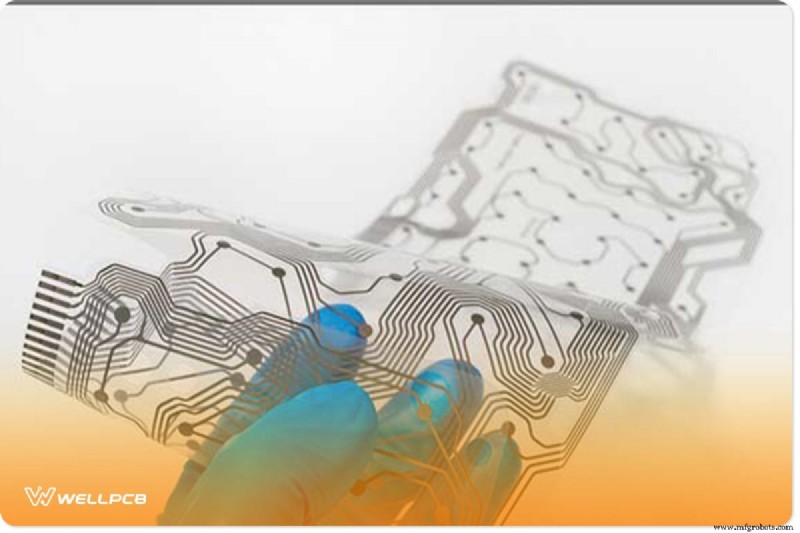
A flex‑rigid PCB combines the strengths of both rigid and flexible layers, enabling compact, high‑density designs that would be impossible with conventional PCBs. While fully flexible boards offer complete bendability, flex‑rigid boards provide the durability of rigid sections where needed.
Typical applications include aerospace, medical devices, and portable electronics where space, weight, and mechanical resilience are critical.
Benefits of flex‑rigid boards include:
- Flexibility – Fit into tight or irregular spaces.
- High‑density layouts – Fewer components per unit area reduce weight and size.
- Cost efficiency – Thinner, smaller boards lower material and assembly costs.
- Improved reliability – Robust construction mitigates failure modes common in pure flex designs.

Making Flex‑Rigid PCB Assembly Simpler and More Reliable
Choose the Right Material
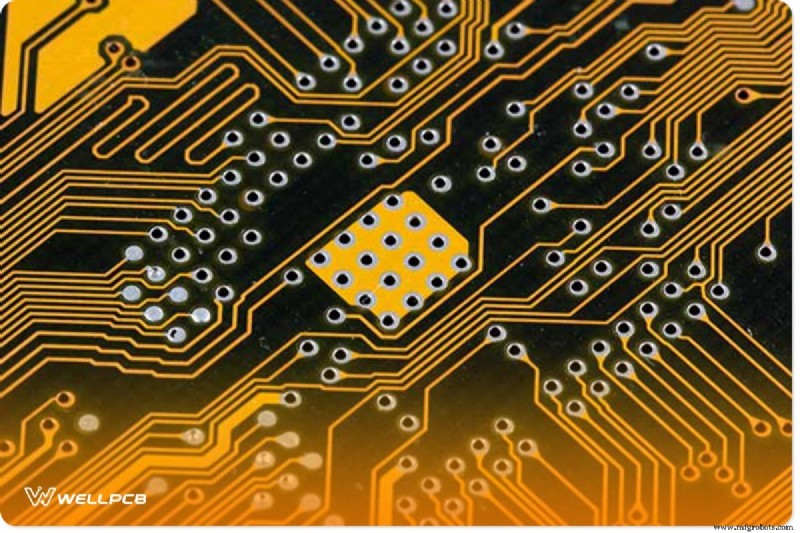
Material selection is foundational to performance. Key substrates include:
- Polyimide – Widely used for its balance of mechanical flexibility and cost.
- PEEK (Polyether Ether Ketone) – Offers exceptional temperature and radiation resistance, ideal for advanced applications.
- PTFE (Polytetrafluoroethylene) – Known for high‑temperature tolerance and low dielectric loss.
- Cladding, conductor, and additional materials should match the intended operating environment.
Leverage Modern Equipment
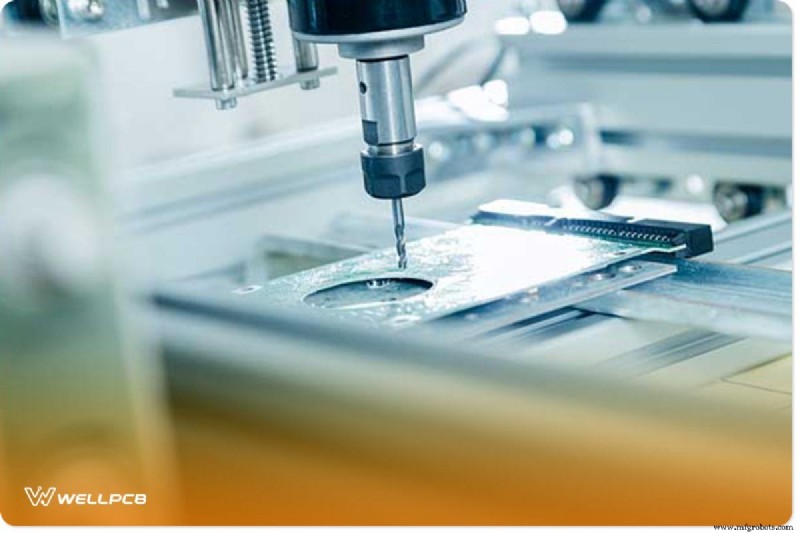
Assembly quality hinges on the tooling used. High‑precision machines, automated pick‑and‑place systems, and in‑process inspection equipment reduce human error and improve repeatability. Companies that invest in the latest technology, such as WellPCB, demonstrate faster turnaround and consistent quality.
Master Stack‑Up Management
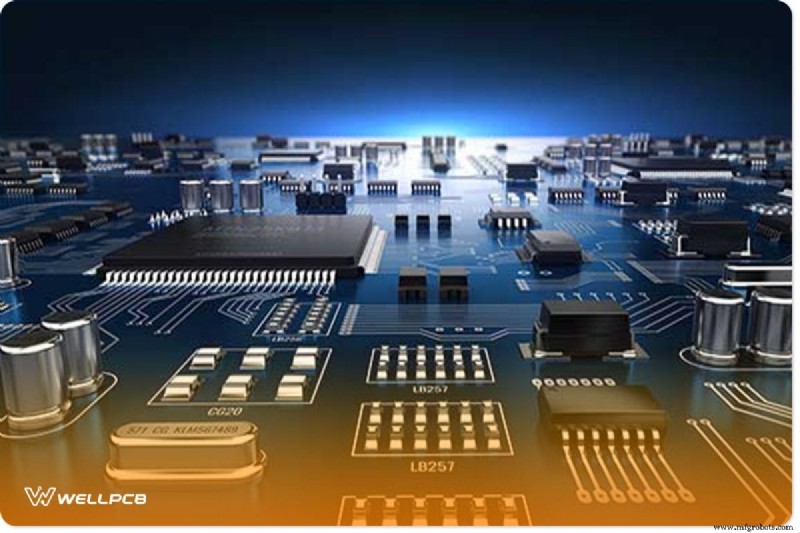
Accurate stack‑up design ensures mechanical integrity and electrical performance. Effective practices include:
- Using specialized PCB design software with 3‑D modeling to validate bend angles and component placement.
- Collaborating closely with fabricators to confirm manufacturability.
- Hiring experienced engineers to refine layer sequencing and trace routing.
Maintain Ground‑Plane Integrity
Ground planes are critical for signal integrity, especially in dynamic flexion applications. Consider:
- Using solid copper for high‑speed routes, but be mindful of potential cracking.
- Applying annealed copper selectively where signal integrity is paramount.
- Implementing cross‑hatched or polygon ground planes to balance flexibility and conductivity.
- Ensuring return paths are at least five times wider than signal traces to reduce inductance.
Bend Management
When designing for repeated flex, address both trace routing and component placement:
- Place vias and components away from high‑stress bend zones.
- Use plated through‑holes with reinforced overlays to anchor pads.
- Choose materials with sufficient thickness in bend areas.
- Avoid over‑tight bends; adhere to the manufacturer’s minimum radius specifications.
Trace Management
Optimal trace design mitigates mechanical stress:
- Route traces perpendicular to bending axes, and offset them on dual‑side boards.
- Use curved or segmented traces instead of sharp 90° corners.
- Prefer teardrop pads over circular pads for easier drilling and stronger adhesion.
- Maintain constant impedance throughout the signal path to preserve high‑speed performance.

Conclusion
Achieving reliability in flex‑rigid PCBs requires meticulous attention from design through assembly. By selecting the right materials, employing modern equipment, mastering stack‑up, and carefully managing ground planes, bends, and traces, you can deliver robust boards that meet the demands of even the most challenging applications.
Need expert guidance? Consult seasoned engineers who can navigate the intricacies of flex‑rigid PCB design and assembly.
Industrial Technology
- Camcode Boosts Warehouse Accuracy & Efficiency with Innovative WMS Technology
- Assembly Line Mastery: How Mass Production Drives Efficiency and Overcomes Bottlenecks
- Expert Guide to Heat Treatment for CNC-Machined Metal Parts
- Master Google Analytics: Step‑by‑Step Setup & Optimization for Your Website
- Mastering Ductwork Fabrication: Key Principles & Expert Tips
- Titanium Nitride Coating Explained: How It Works and Why It Stands Out
- Silencing the Fan: How Vibration Analysis Eliminated a Booming Boiler Noise
- Variable Power Supplies Explained: Key Features, Applications, and Top Models
- Master CNC Design: A Complete Guide to Machining Rules, Tips & Restrictions
- Beyond Single-Source Supply Chains: Building Resilient, Diversified Supply Networks