



Common Causes of Motor Controller Failures and How to Prevent Them
Motor controllers are the heart of modern machinery, ensuring that motors run smoothly, efficiently, and safely. Yet, like any electronic system, they can fail. Understanding the most frequent failure modes—and knowing how to avoid them—can save time, money, and downtime.
What Is a Motor Controller?
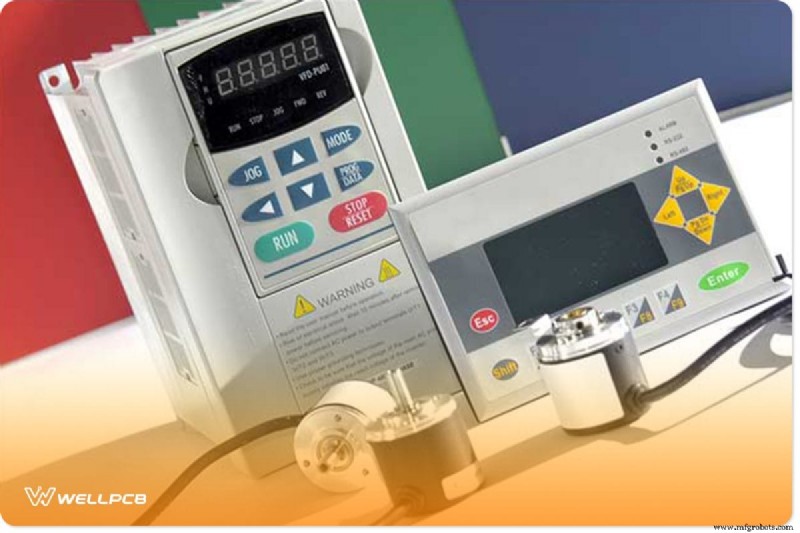
A motor controller is a sophisticated system that regulates a motor’s operation, delivering precise speed, torque, and position control. Modern controllers embed microprocessors, power‑electronics, and advanced firmware, enabling them to adapt to changing loads and operating conditions in real time.
Common Types of Motor Controllers
- Starters (Activators) – Provide the initial power surge required by large motors and can reduce voltage for soft‑start applications.
- Variable‑Speed Drives (VSDs) – Allow the operator to set or automatically adjust motor speed for energy savings and process control.
- Intelligent Controllers – Adjust torque based on real‑time load measurements, optimizing performance and protecting the motor.
- Servo Controllers – Offer rapid acceleration, precise position feedback, and closed‑loop speed control for high‑accuracy applications.
While DIY controllers exist, they rarely match the reliability and feature set of factory‑grade units.
Key Functions of a Motor Controller
- Speed Control – Modulate both AC and DC motor speeds.
- Voltage Regulation – Deliver variable voltage to match process requirements.
- Current Management – Adjust current to prevent overloads and extend component life.
- Converters – Convert DC to AC (or vice‑versa) for versatile power supply options.
- Inverters – Transform DC into AC for motors that require alternating power.
- Position Control – Maintain precise motor positioning in closed‑loop systems.
Main Reasons for Motor Controller Failure
Component Wear and Failure
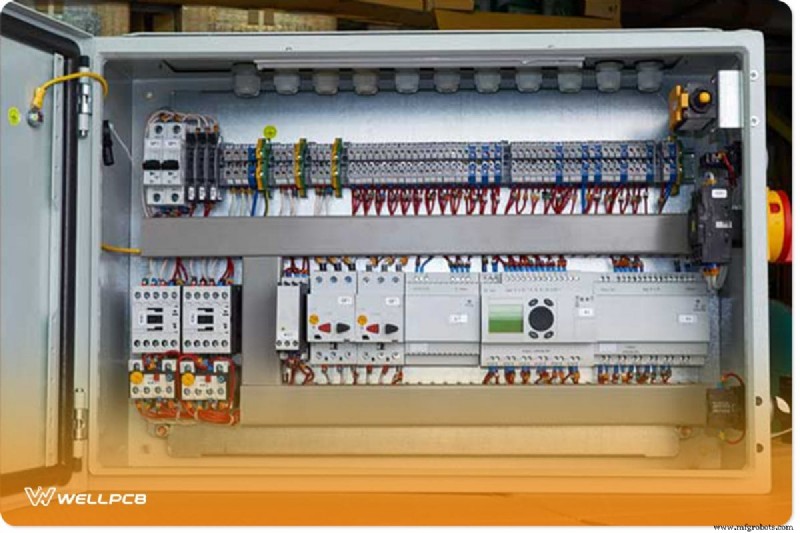
Even a single component failure—whether an interconnect, resistor, or diode—can render an entire controller inoperative. Controllers typically contain dozens of parts, often exceeding a thousand discrete elements. Many of these components have a finite lifecycle measured in cycles; once that threshold is crossed, the unit’s reliability drops sharply. While some parts are replaceable, others (e.g., high‑power MOSFETs or specialized ICs) may be cost‑prohibitive or unavailable, effectively ending the controller’s service life.
Improper Installation and Use
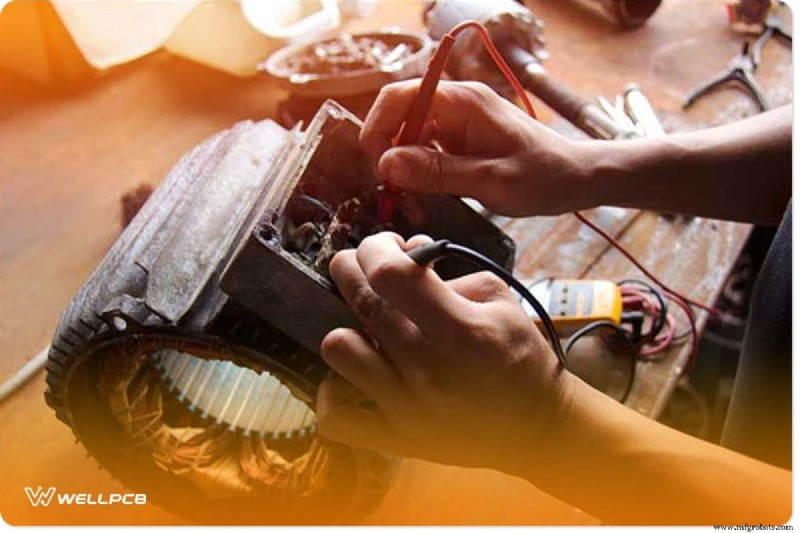
Incorrect wiring, reversed polarity, or a mismatch between supply voltage and controller rating can damage circuits instantly. Always follow the manufacturer’s installation manual; when in doubt, enlist a qualified electrician. Post‑installation, operate the controller within its specified parameters—avoid driving it beyond its designed torque or speed limits. Regular maintenance checks ensure that connectors remain tight and that firmware remains up to date.
Contamination (Dust, Chemicals, Moisture)
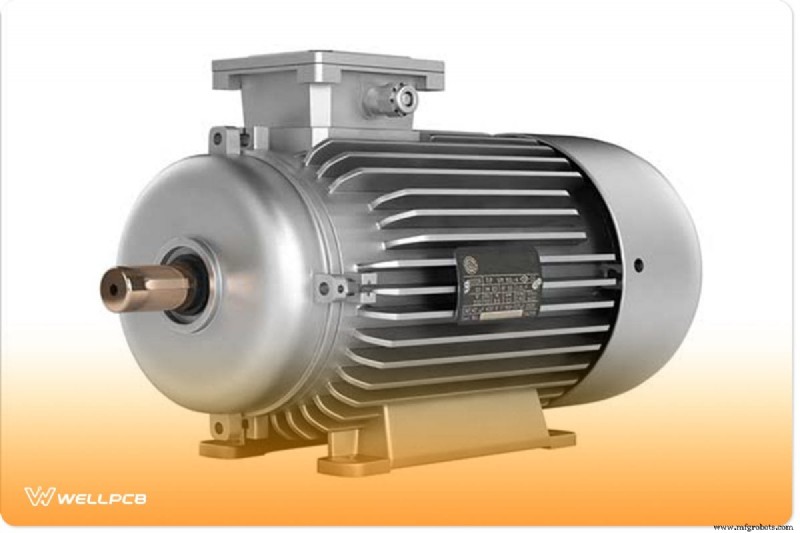
Dust and grime can clog cooling fins and short‑circuit contacts, while chemical spills or high humidity can corrode components. Protect the controller with an enclosure, seal electrical contacts, and perform routine cleaning with appropriate solvents. In environments with high particulate or corrosive agents, consider IP‑rated housings.
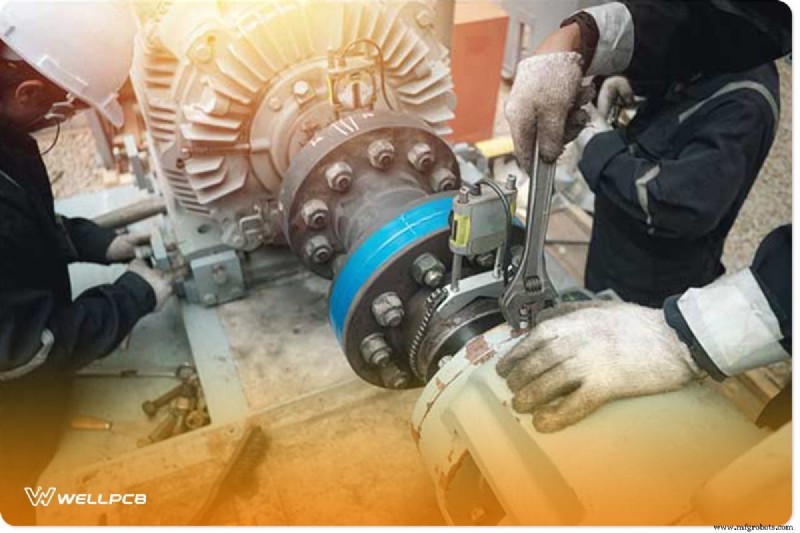
Excessive Vibration
Vibration not only stresses the motor but also loosens fasteners and can misalign winding connections. Mount the controller on a vibration‑isolated base, use anti‑vibration brackets, and schedule periodic torque checks. Vibration monitoring tools can alert you to abnormal patterns, which often signal upstream issues such as bearing wear or misalignment.

Additional Failure Triggers
- Input Signal Loss – Failure of analog or digital sensors can lead to incorrect control commands.
- Overheating – Inadequate cooling or ambient temperatures above the specified range cause thermal runaway.
- Overcooling – Operating below the minimum temperature can degrade semiconductor performance.
- Low‑Quality Components – Subpar parts compromise reliability; source from reputable suppliers.
For example, WellPCB’s decade of PCB design expertise ensures that your motor controller’s layout meets industry standards, reducing thermal hotspots and enhancing signal integrity. Contact WellPCB for robust, custom circuit boards that deliver long‑term reliability.
Conclusion
Motor controllers are indispensable for modern automation, but their complexity makes them vulnerable to a range of failure modes. By selecting high‑quality components, installing correctly, protecting against environmental hazards, and maintaining rigorous inspection schedules, you can dramatically extend controller life and ensure uninterrupted operation.
Industrial Technology
- 6th Annual Manufacturing Summit Attracts Over 400 Participants
- COVID‑19 and Manufacturing: Navigating Shutdowns, Resilience, and Re‑Opening
- Recruiting Skilled Workers Without a College Degree: Proven Strategies
- Why Brands and Retailers Are Embracing 3‑D E‑Commerce
- Simplify Flexible‑Rigid PCB Assembly for Superior Reliability
- Enhance Warehouse Efficiency with Custom Label Solutions
- Cut Overhead Costs: 5 Proven Maintenance Strategies for Electric Co‑Ops
- SyBridge Technologies' Apprenticeship Program Boosts Skills and Tooling Innovation
- 50 Expert Perspectives on the Arms Trade Treaty (ATT): Insights for Policymakers
- Boost Asset Management: How CMMS Software Streamlines Inventory Tracking