



94V‑0 Circuit Boards: A Comprehensive Guide for Rugged Electronics
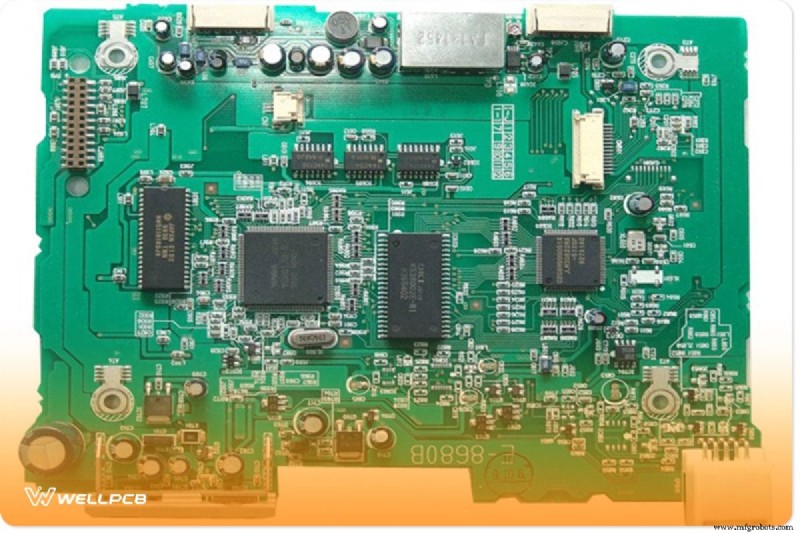
The 94V‑0 circuit board is a printed circuit board that has successfully passed the UL 94 V‑0 flammability test. This standard requires the board to extinguish within 10 seconds when exposed to a vertical flame, ensuring minimal fire risk in harsh environments.
What Are 94V‑0 Circuits?
Essentially, 94V‑0 circuits are standard PCBs that meet the UL 94 V‑0 flammability rating. The difference lies in the materials and manufacturing processes used to achieve this stringent fire‑resistance criterion.
Understanding the UL 94 V‑0 Flammability Test
Developed in 2004 by The Underwriters Laboratory (UL), the UL 94 test evaluates a material’s ability to resist flame. The V‑0 rating is the highest level for vertical burning: the material stops burning within 10 seconds and produces no drips.
UL 94 is aligned with international standards such as IEC 60695‑11‑20, ISO 9772, and ISO 9773, making it a globally recognized benchmark for fire‑safe electronics.

Key Properties of 94V‑0 Circuit Boards
- Exceptional flame resistance – materials are rated to prevent ignition and halt combustion quickly.
- Standard compatibility – they support all common surface‑mount and through‑hole components, simplifying design.
- Compact multilayer construction – advanced copper layering and high‑dielectric substrates reduce board size without compromising strength.
Why Choose a 94V‑0 Rated PCB?
For manufacturers, a 94V‑0 rating translates into safer, more reliable products, especially in safety‑critical industries such as medical, aerospace, and defense. It also protects brand reputation and reduces liability from fire incidents.
Even consumer devices like LED bulbs, power adapters, and portable gadgets benefit from the added fire safety, preventing costly recalls and customer backlash.
Real‑World Scenario
Imagine purchasing a cheap power adapter that fails catastrophically, igniting the surrounding area. Repeated incidents erode consumer trust and can lead to legal action. Selecting a 94V‑0 board mitigates these risks from the outset.
Typical Applications
- Medical equipment – pacemakers, infusion pumps, and imaging devices that must operate reliably in temperature‑controlled environments.
- Military and aerospace – rugged radios, navigation systems, and cockpit electronics that must withstand fire and high vibration.
- Industrial automation – conveyor controls, safety interlocks, and process monitoring units where fire risk is high.
- Consumer safety devices – CCTV cameras, fire alarms, and smoke detectors that continue to function during emergencies.
Choosing the Right Supplier
When sourcing 94V‑0 PCBs, look for suppliers with:
- Verified UL certification records for their boards.
- Experience in high‑volume, high‑reliability manufacturing.
- Transparent testing reports and traceability of materials.
- Responsive engineering support for custom designs.
WellPCB: Your Trusted 94V‑0 PCB Partner
WellPCB has been delivering advanced circuit boards for over a decade. Our production lines are fully equipped to manufacture 94V‑0 rated boards that meet UL, ISO, and IEC standards. We offer:
- Custom multilayer designs tailored to your specifications.
- Competitive pricing without compromising quality.
- Dedicated customer support to guide you from concept to production.
Ready to discuss your project? Contact us today and discover how a 94V‑0 PCB can enhance safety and reliability.
Industrial Technology
- Leveraging IoT to Empower Heavy Equipment Operators: Boost Efficiency & Safety
- Surface Mount Technology: Revolutionizing Modern PCB Assembly
- 4 Major Health Risks of Prolonged Standing
- Understanding 3D Printing: Principles, Types, and Key Applications
- Prioritizing Employee Work‑Life Balance: Why It Matters for Your Business
- AI: The Key to Greener Supply Chains
- Unlock the Full Potential of Your Coordinate Measuring Machine
- Four Key Strategies for Resilient Post‑COVID Supply Chains
- Key Signs Your Warehouse Needs Expansion
- Norton’s Theorem Simplified: Step‑by‑Step Tutorial with Practical Example