



Aluminum vs Steel in CNC Machining: What Engineers Need to Know
Choosing between aluminum and steel is more than a material decision—it shapes your machining cost, lead time, and part performance.
Engineers and buyers frequently ask:
- Is aluminum easier to machine than steel?
- Which material offers the best balance for CNC machining?
This guide delivers a clear, engineering‑based comparison that covers machinability, cost, strength, and real‑world applications.
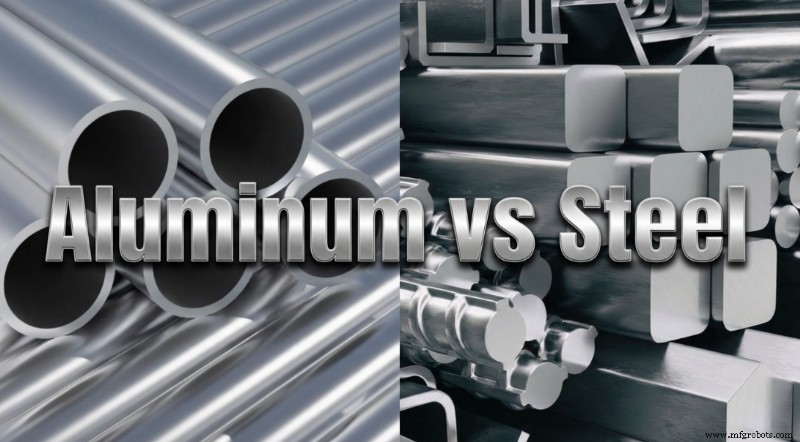
Quick Takeaway
- Choose aluminum for lightweight parts, faster machining, and lower cost.
- Choose steel when you need higher strength, durability, and wear resistance.
For CNC parts, the decision hinges on geometry, strength requirements, and budget.
Key Differences Between Aluminum and Steel
| Property | Aluminum | Steel |
|---|---|---|
| Weight | Very low | High |
| Strength | Medium | High |
| Machinability | Easy | Difficult |
| Corrosion Resistance | Good (especially anodized) | Moderate (depends on alloy and treatment) |
| Machining Cost | Lower | Higher |
The fundamental trade‑off is weight versus strength, and machinability versus durability.
Machinability: Aluminum vs Steel
Yes, aluminum is significantly easier to machine.
Reasons include:
- Lower cutting forces
- Higher allowable cutting speeds
- Excellent heat dissipation from high thermal conductivity
- Reduced tool wear
Comparative Overview
| Factor | Aluminum | Steel |
|---|---|---|
| Cutting Speed | High RPM, high feed rates | Lower RPM, slower feeds |
| Tool Wear | Minimal | Significant, especially with hardened grades |
| Heat Generation | Low, rapid dissipation | High, retained heat affects tool life |
| Surface Finish | Excellent, smooth | Moderate, depends on tooling |
In practice, aluminum can often be machined 2–4× faster than steel.
Engineering Insight
- Aluminum allows high‑speed CNC machining with minimal setup changes.
- Steel requires slower feeds, more rigid tooling, and specialized bits.
These factors make aluminum the go‑to material for prototypes and high‑throughput production.
Cost Comparison: Aluminum vs Steel Machining
Is aluminum cheaper to machine than steel?
Yes—generally.
Cost Drivers
- Material hardness and composition
- Machining time and cycle length
- Tool life and replacement frequency
- Part complexity and setup requirements
Aluminum benefits from faster cuts, lower tool wear, and reduced energy consumption, translating into lower overall machining costs.
Steel machining incurs higher tooling costs, longer cycle times, and more stringent setup procedures.
Strength vs Weight: Which Matters Most?
Aluminum
- Approximately one‑third the weight of steel.
- Good strength‑to‑weight ratio for lightweight applications.
Steel
- Significantly higher tensile and compressive strengths.
- Superior wear resistance and fatigue life.
Typical use cases:
- Lightweight, high‑speed components (aerospace, electronics) → aluminum.
- Structural, high‑load parts (automotive chassis, heavy machinery) → steel.
When to Choose Aluminum vs Steel
Choose Aluminum If:
- Weight reduction is critical.
- Fast machining and short lead times are required.
- Cost is a primary concern.
- Complex geometries benefit from high‑speed CNC.
Choose Steel If:
- High strength and durability are non‑negotiable.
- The part will endure heavy loads or extreme stress.
- Wear resistance and long‑term performance outweigh cost.
- Safety or regulatory standards demand steel.
If uncertainty persists, base the decision on functionality + manufacturing constraints rather than a single property.
Real‑World Applications
Aluminum Applications
- Aerospace structural members.
- Electronic housings and enclosures.
- Automotive lightweight components.
- Rapid prototyping and low‑volume runs.
Steel Applications
- Mechanical fasteners and gear housings.
- Industrial equipment frames.
- Automotive structural parts.
- Heavy‑duty machinery components.
Surface Finish Comparison
- Aluminum: typically yields a smoother finish with minimal post‑processing.
- Steel: finish quality depends heavily on tool selection and cutting parameters.
Thus, aluminum generally delivers higher visual quality with less effort.
Common Mistakes in Material Selection
- Choosing steel when aluminum would suffice → unnecessary cost.
- Using aluminum for high‑load parts → performance risk.
- Ignoring machining cost differences → budget overruns.
FAQ
- Is aluminum easier to machine than steel? Yes—higher speeds, lower tool wear, and better efficiency.
- Is aluminum cheaper than steel for CNC machining? Yes—due to faster cuts and reduced tooling.
- Which is better for CNC machining: aluminum or steel? It depends on your priorities: cost & speed → aluminum; strength & durability → steel.
- What factors affect CNC machining performance? Cutting speed, tool wear, heat generation, and material hardness.
Need Help Selecting the Right Material?
Send us your CAD file—our engineers will evaluate your design for geometry, strength needs, and cost optimization.
Get a free DFM review & CNC machining quote within 24 hours.
In CNC machining, aluminum and steel are not rivals—they complement each other. The key is picking the material that aligns with your design goals, budget, and performance expectations.
Make the right choice to:
- Reduce overall cost.
- Improve manufacturing efficiency.
- Ensure long‑term part performance.
Industrial Technology
- Unlock Efficiency: Digitizing Data Collection Forms & Checklists in Manufacturing
- Mastering PCB Thermal Design: Essential Principles for Reliability
- Mitigating Risks When Converting Standard to Metric Tolerance Charts
- Rectifier Circuits: Fundamentals, Operation, and Design Guidelines
- 5 Ways Servo Motors Transform 3D Metal Printing
- Die Casting vs Sand Casting: Choosing the Optimal Process for Your Project
- Power Outage Prevention: 5 Essential Strategies to Protect Your Business
- Top 10 Manufacturing Insights 2021: Electric Vehicles, Shop Floor Efficiency, and Metalworking Tips
- Schoeneck Containers Prevents Production Downtime with i-Alert2
- Big Data vs AI: Synergy Behind Digital Transformation