



Fused Deposition Modeling: Benefits, Drawbacks, and When to Choose It
Published on March 28, 2022
Originally published on fastradius.com on March 28, 2022
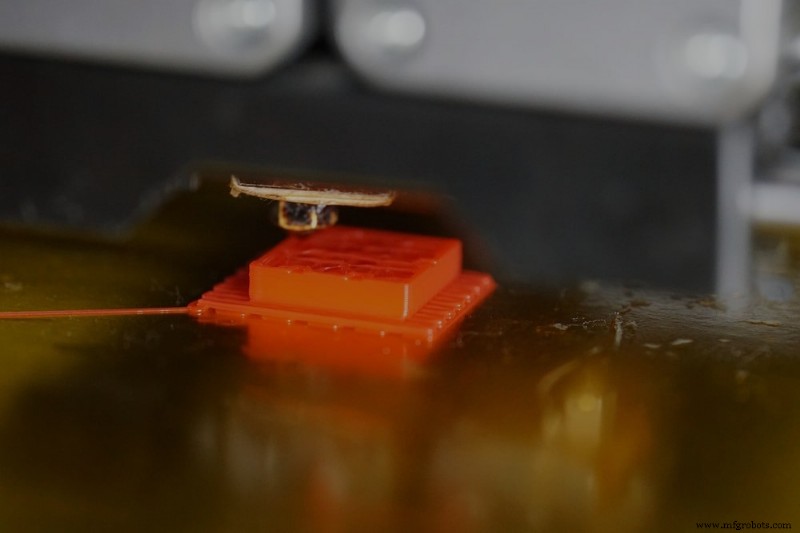
Fused deposition modeling (FDM) is a leading additive‑manufacturing technique that melts and extrudes filament, depositing it layer by layer onto a build platform. Because the process is highly automated, a 3D‑printing partner can simply slice your digital file, calibrate the print bed, and launch the job.
While FDM excels at rapid prototyping, it also finds use in medical device fabrication, tooling, automotive components, and more. As the most widely adopted 3D‑printing method, it’s essential to weigh its strengths and weaknesses before committing to a project.
Advantages of Fused Deposition Modeling
Speed is a primary benefit of FDM. Parts can be produced in minutes or a few hours, significantly reducing lead times and accelerating the design‑iteration cycle. The technology also supports large builds, and the modular nature of FDM printers keeps the cost‑to‑size ratio low.
Material flexibility is another draw. FDM accepts a broad spectrum of filaments—ABS, PETG, PLA, nylon, and more—across many colors, often at a lower cost than resin‑based systems.
Disadvantages of Fused Deposition Modeling
Low resolution is the chief drawback. Thick layer heights mean fine details are hard to capture, and finished parts typically exhibit a rough surface that requires post‑processing such as vapor smoothing, gap filling, or epoxy coating—steps that extend production time.
Layer‑by‑layer deposition also introduces anisotropy; FDM parts are weaker along the layer interface, especially under compressive loads parallel to the layers. Printing on alternating axes can improve strength, but the lightweight nature of FDM parts often compensates for the modest reduction in mechanical performance.
Support structures are mandatory for overhangs, increasing material usage, print time, and post‑processing effort compared to support‑free methods like HP Multi‑Jet Fusion.
When to Choose FDM
For projects demanding high resolution or smooth finishes, stereolithography (SLA) may be preferable. SLA cures liquid resin with a laser, delivering finer layer heights and superior surface quality, but typically with smaller build volumes and higher material costs.
Build Volume
SLA printers usually have smaller build plates, limiting batch size. For large parts or multiple small items, FDM offers a more practical and cost‑effective solution.
Printing Speed
When printing small components, the speed gap between FDM and SLA is minimal. For larger parts, increasing nozzle diameter and layer height speeds up FDM printing, though at the expense of resolution and potentially strength if infill is reduced.
Materials
SLA supports biocompatible resins ideal for medical prototypes, but material choices are limited to a handful of colors and are pricier than most filaments. FDM filaments offer more colors, cheaper costs, and higher yield per material unit.
Resolution, Precision, and Surface Finish
FDM’s coarser layers produce visible ridges, whereas SLA can achieve resolutions as fine as 25 µm, reducing thermal distortion and delivering smoother, dimensionally accurate parts.
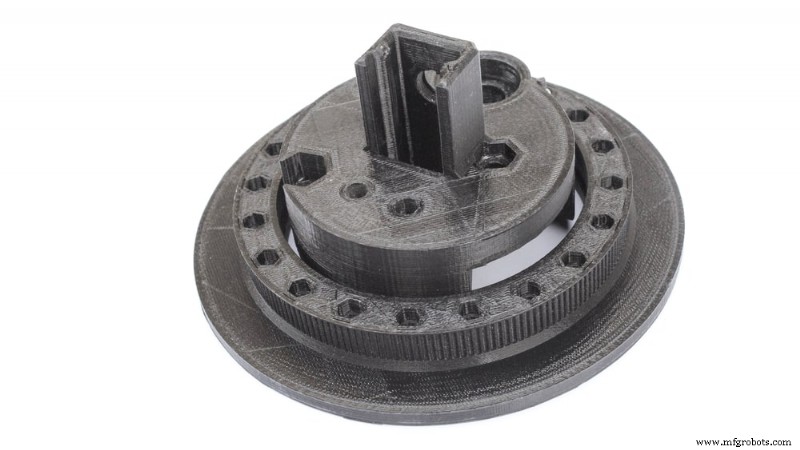
If your design includes intricate geometries, organic shapes, or requires tight tolerances, SLA is usually the better choice.
Bring Your Ideas to Life with SyBridge
FDM’s affordability and speed make it ideal for proof‑of‑concept models or large, simple prototypes. Its limitations in resolution and finish should be considered when selecting a printing method.
SyBridge Technologies’ engineering team can help you evaluate FDM’s fit for your application, optimize designs, and oversee the entire production workflow—from slicing to final part delivery.
Contact us today to get started!
Industrial Technology
- Master Breadboard Connections: A Beginner's Guide
- Flex Circuit Materials and Construction: Building Durable, High-Performance PCBs
- Revolutionary Smart Bandage Monitors Wounds and Delivers Targeted Therapy for Faster Healing
- Copper Tungsten Electrodes: Superior Machining & Manufacturability
- Mastering CNC Machining: 3 Key Principles for Precision and Performance
- Turning Big Data into Smart Data: Enhancing Manufacturing Insight
- Understanding Failure Analysis: Key Insights for Manufacturing Excellence
- Master the ISD1820: Comprehensive Voice Recorder Module Guide
- How Brushless DC Motors and ESCs Operate – A Technical Overview
- Mastering OTA Updates: 5 Common Challenges & Proven Solutions for Industrial IoT