



Bridge Production & Manufacturing: Stages, Benefits, and Key Technologies
What Is Bridge Production?
Bridge production is the critical intermediate phase that connects prototype development with large‑scale manufacturing. It leverages additive manufacturing, short‑run tooling, and rapid prototyping to produce small batches, thereby reducing the cost of design errors and accelerating time‑to‑market.
By validating design concepts early, bridge manufacturing prevents the launch of flawed products and allows manufacturers to gauge customer acceptance before committing to expensive full‑scale production lines.
Key Phases of Bridge Production
Bridge production is a seamless journey that transitions a product from design to mass production while optimizing resources and risk.
Initial Short‑Run Production
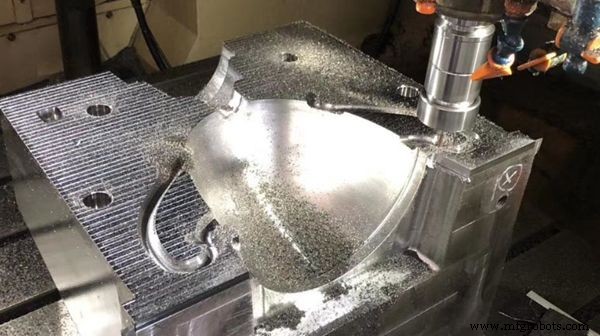
The goal of this first stage is to confirm that the design can be produced efficiently without the heavy investment typical of full‑scale runs. Additive manufacturing and CNC machining are the primary technologies used here, producing a few dozen to a few hundred units at a time. The emphasis is on achieving statistically meaningful market data through the most cost‑effective means available.
Market Testing and Presale Strategies
Prior to large‑scale production, manufacturers gather direct feedback from potential buyers. This market assessment uncovers preferences, usability concerns, and functional gaps—information essential for informed design refinement.
Implementation of Design Changes
Insights from market testing drive targeted improvements. This iterative phase incorporates ergonomic adjustments, functional upgrades, and aesthetic refinements to ensure the final product surpasses customer expectations and reduces the risk of market failure.
Benefits of the Bridge Production Process
Manufacturers adopt bridge production to scale operations efficiently, lower costs, and maintain uncompromised quality.
Risk Reduction and Design Validation
Producing low‑volume parts or prototypes lets companies uncover design flaws before committing to mass production, thereby avoiding costly rework and ensuring compliance with quality standards.
Cost Efficiency and Resource Allocation
Early identification of manufacturing issues cuts waste and eliminates the need for costly tooling adjustments later. Savings can be redirected toward marketing, distribution, or additional product features.
Supply Chain Flexibility and Rapid Response
Unexpected demand spikes or supply disruptions are mitigated through quick production of critical components using 3D printing, CNC machining, or bridge tooling, preserving customer satisfaction and competitive advantage.
Main Technologies in Bridge Tooling Production
Bridge production relies on technologies that balance efficiency, cost, and scalability.
CNC Machining
CNC machining delivers high‑precision subtraction of material, enabling accurate shapes and complex features while minimizing waste. Its repeatability is essential for ensuring consistent quality across small batches.
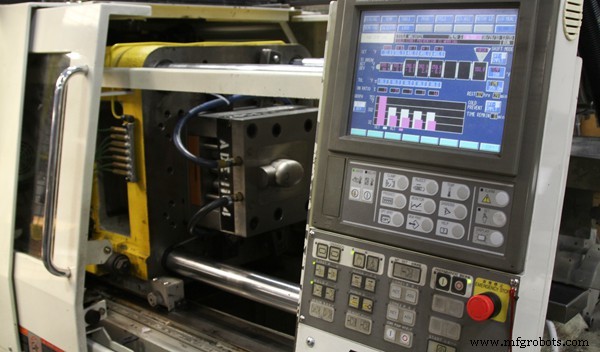
Injection Molding
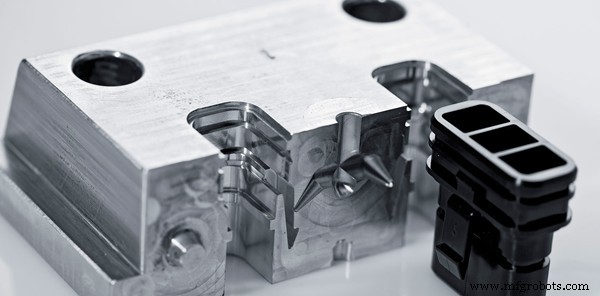
Injection molding offers a cost‑effective pathway to produce high‑quality, low‑volume parts from production‑grade materials. It allows early testing of functionality and durability before committing to large‑scale runs.
3D Printing
3D printing provides rapid, on‑demand fabrication of prototypes and low‑volume parts, reducing material waste and lead times. It bridges the gap between conceptual design and full‑scale manufacturing.
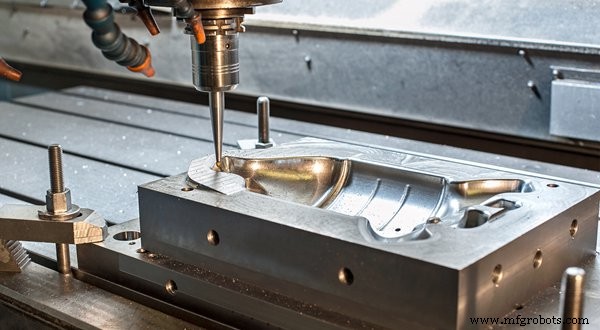
Rapid Tooling
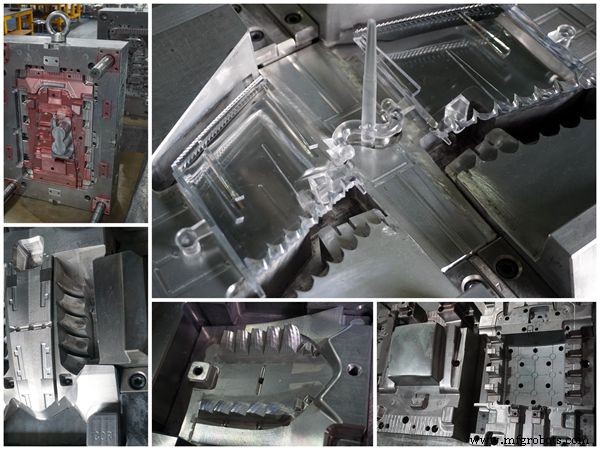
By combining rapid prototyping with traditional tooling, rapid tooling accelerates mold production, enabling iterative design changes without significant resource investment.
Differences Between Bridge Production and Conventional Manufacturing
Bridge production precedes full‑scale manufacturing, providing a risk‑mitigated environment that contrasts with traditional, line‑based production.
Bridge manufacturing relies on CNC machining and 3D printing to accommodate continuous design updates, delivering quicker lead times and lower upfront costs. Traditional manufacturing, however, is optimized for long runs of a single design and often resists rapid changes, leading to higher sunk costs.
Applications of Bridge Production
Across industries, bridge production offers a cost‑effective route from concept to mass production.
Consumer Electronics
Companies can prototype new gadgets, test features, and refine designs based on real‑world feedback before investing in mass production.
Aerospace
Aerospace firms use bridge production to validate component performance and safety under stringent regulatory standards.
Medical
Medical device developers rely on bridge production to create accurate models for rigorous testing, ensuring patient safety and efficacy.
Automotive
Automotive manufacturers prototype and test parts under real‑world conditions, guaranteeing compliance with safety and durability requirements.
How Bridge Production Supports Contract Manufacturing?
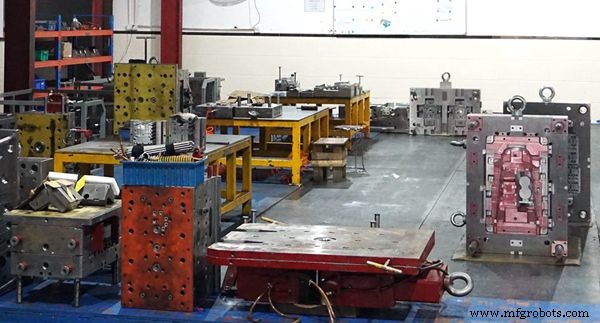
Contract manufacturers face shifting client demands and complex specifications. Bridge production, powered by rapid prototyping and CNC machining, enables swift prototype iteration and custom part production without the expense of traditional tooling.
Quick turnaround times (often days) ensure that manufacturers can adapt to client feedback and deliver bespoke solutions efficiently.
Challenges and Considerations in the Bridge Production Process
While bridge production offers many advantages, it also presents distinct challenges.
High Initial Investment
Specialized equipment and tooling can be costly. A detailed cost analysis and phased investment strategy can help mitigate these upfront expenses.
Supply Chain Complexity
Flexibility is essential. Building strategic supplier relationships and adopting advanced supply‑chain software can streamline operations.
Synchronization Across Departments
Ensuring seamless coordination between design, engineering, and production requires robust project management tools and regular cross‑functional meetings.
WayKen specializes in delivering high‑quality bridge production solutions for your projects. With expertise in CNC machining, rapid tooling, and low‑volume manufacturing, we ensure cost‑efficient, precise, and flexible production. Trust us to optimize your product development process, validate designs, and streamline your transition to mass production effectively.
Bridge production is a practical step that enables rapid, small‑batch manufacturing using additive methods, CNC machining, and rapid tooling. For businesses of all sizes, embracing bridge production delivers durable, high‑quality parts that meet market demands and industry standards.
Industrial Technology
- Industry 5.0: Redefining Manufacturing for the Future
- 6 Proven Strategies to Streamline Asset Management
- Camcode Warehouse Floor Labels: New Durable Design for Heavy Traffic
- Master FAI, PPAP, Pilot Runs & Serial Production for Reliable Custom Component Manufacturing
- Precision Straightness Measurement for Small Metal Components
- Wood: Key Properties for Construction & Design
- Master HP Multi‑Jet Fusion: Exclusive On‑Demand Webinar for 3D Printing Innovators
- COVID-19 Accelerates the End of Annual Shipper RFPs
- Navigating the Volatile Crypto Landscape: Insights from Elon Musk’s Dogecoin Commentary
- RFID in Inventory Management: Advantages, Challenges, and ROI Insights