



Capacity Planning Software: Optimize Production Capacity, Forecast Demand, and Boost Efficiency
 What is Capacity Planning Software?
Capacity planning software is a programmable solution that enables manufacturing organizations to accurately determine the production capacity required to meet fluctuating demand. In this context, design capacity refers to the maximum volume an organization can produce in a given period, while effective capacity is the highest feasible output when accounting for real‑world constraints such as quality issues, delivery schedules, material handling, and labor shortages.
Key questions production teams address during capacity planning include:
- How much free capacity currently exists in each service department or function?
- What capacity buffer is required?
- What workload growth is expected between the current and the next planning iteration (both customer‑driven and new product features)?
- How much capacity is needed to maintain the targeted free capacity buffer after projected growth?
In manufacturing, capacity planning involves three primary resource types: machines, people, and tools. For each operation, planners must estimate how many hours of each resource will be available in a week or month and compare this against the required allocation for all jobs. This analysis forms the foundation of a robust capacity plan.
How Capacity Planning Software Helps
A well‑designed capacity planning solution removes guesswork and optimizes efficiency by:
- Creating “what‑if” scenarios to uncover short‑ and long‑term bottlenecks and propose alternatives.
- Providing reliable algorithms and manual overrides that align fulfillment with customer orders.
- Optimizing inventory and supply‑chain levels by accurately forecasting finished goods and component demand.
- Continuously refining production plans using real‑time ERP data—material availability, capacity constraints, and shop‑floor performance.
- Delivering a balanced production schedule that synchronizes demand and supply across the facility.
Essential Features of Capacity Planning Software
1. Production Monitoring

Track production flow and status with metrics that reveal capacity issues early, enabling timely adjustments to maintain optimal output.
2. Real‑Time Data

Access up‑to‑date machine and floor metrics via an intuitive dashboard, balancing historical performance with current usage.
3. Predictive Analytics

Use predictive models to forecast future capacity needs, guiding asset allocation and infrastructure planning.
4. Performance Modelling

Automated analytic modeling tracks performance across large numbers of infrastructure elements, identifying risks before they impact production.
How to Choose the Right Capacity Planning Software
1. Intuitive User Interface

A user‑friendly interface accelerates planning, allowing teams to focus on long‑term goals and continuous improvement.
2. Fast and Smooth Implementation

Seamless integration with existing ERP and sales systems prevents bottlenecks and ensures a quick return on investment.
3. Accuracy in Capacity Planning

Accurate predictions are critical, especially in just‑in‑time setups where overlapping operations can easily lead to miscalculations.
4. Scalability
Scalable tools monitor thousands of data sources simultaneously, enabling consistent performance as operations grow.
5. Comprehensive Reporting

Clear, actionable reports reduce analysis time and facilitate data‑driven decision making across departments.
Manufacturing Capacity Planning – Getting Started
Maximizing existing capacity requires a steady flow of business operations. To achieve 100% asset utilization, manufacturers must maintain sufficient volume to keep production running smoothly.
1. Monetize High Cycle Times

Accurately tracking cycle times and eliminating downtime turns lost production into a tangible dollar value, highlighting improvement opportunities.
2. Clear Information Flow

Well‑structured work orders, bills of materials, and assembly instructions ensure workers complete tasks on time, reducing rework and delays.
3. Quality and Documentation Control

Consistent quality standards and thorough documentation prevent errors and support continuous improvement across departments.
4. Match Capacity with Utilization Hours

Regularly align capacity hours with actual utilization patterns to plan workloads that match real operational capacity.
Leveraging AI for Accurate Capacity Planning
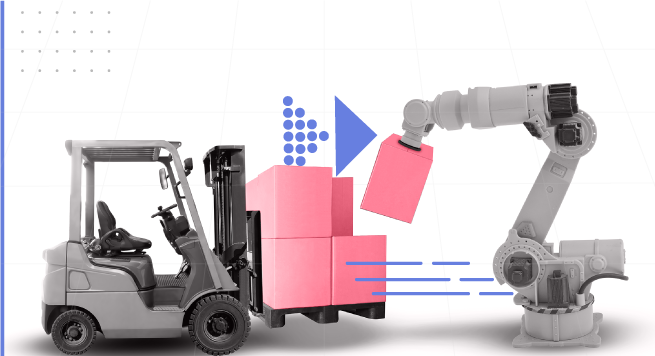
AI‑driven capacity planning processes sift through vast factory‑floor sensor data faster than manual planners, uncovering insights that drive optimized plans.
When properly integrated, AI accelerates decision‑making across supply chain and operations, delivering:
- Minimal production disruptions
- Reduced delayed shipments
- Efficient resource allocation
- Strategic inventory management
- More time for planners to focus on value‑adding initiatives
ThroughPut’s ELI is an AI‑powered bottleneck elimination engine that analyzes real‑time industrial data to detect, prescribe, and prevent shifting bottlenecks, saving millions in delays, inefficiencies, and lost revenue. Request Demo
AI enhances operational outcomes by creating seamless efficiencies while preserving robust capacity planning. Try Supply Chain Management Software – ELI today to experience operational excellence in your manufacturing plant.

Industrial Technology
- Comprehensive Maintenance Contingency Planning for Manufacturers: Boost Resilience & Reduce Downtime
- Revolutionizing Additive Manufacturing: How MES & Workflow Software Optimize Production Planning
- 2021 Supply‑Chain & Procurement Software Forecasts: 10 Key Predictions
- COVID-19 Preparedness for Manufacturers: Five Practical Steps
- Strategic Strategies to Navigate Economic Slowdowns and Position Your Business for Growth
- 10 Key Factors to Consider Before Implementing ERP Software
- Fusion 360: The Versatile 3D Design Tool Every Engineer and Designer Needs
- Master Autodesk Fusion 360: A Comprehensive 3D Modeling Guide for Beginners & Professionals
- Strategic Guide to Selecting and Investing in a Modern CAD/CAM System
- Mastering Industry 4.0: Proven Steps to Future-Proof Your Business