



Expert Guide to Casting Patterns & Patternmaking
Foundries make and use patterns as models for cast metal objects
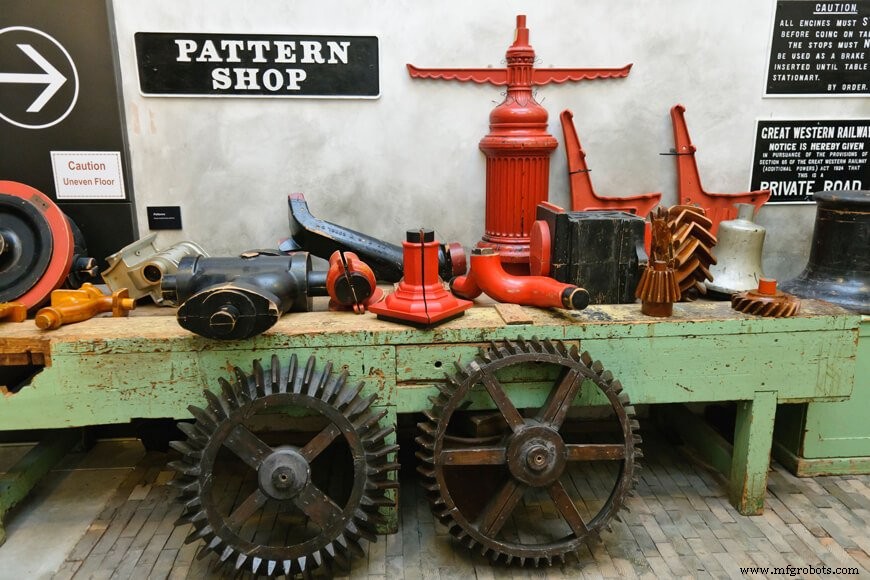
Casting is the process of pouring liquid metal into a mold, where it cools and solidifies. The casting process can produce everything from art pieces to engine parts. The shape is determined by the mold cavity, but something needs to shape the mold—that’s where the pattern comes in.
Patterns are a model for the object to be cast. A pattern makes an impression on the mold, liquid metal is poured into the mold, and the metal solidifies in the shape of the original pattern.
Patternmaking isn’t as simple as the definition suggests. In addition to shaping the mold cavity, a pattern must provide accurate dimensions, have means of exiting the mold cavity without breaking it, compensate for solidification shrinkage and distortion, and include a feeding system of gates and risers to deliver liquid metal into the mold. Any flaw can result in a failed casting.
Getting all those factors right requires precision and more than a few calculations. Each pattern is carefully designed and constructed.
Patterns include allowances
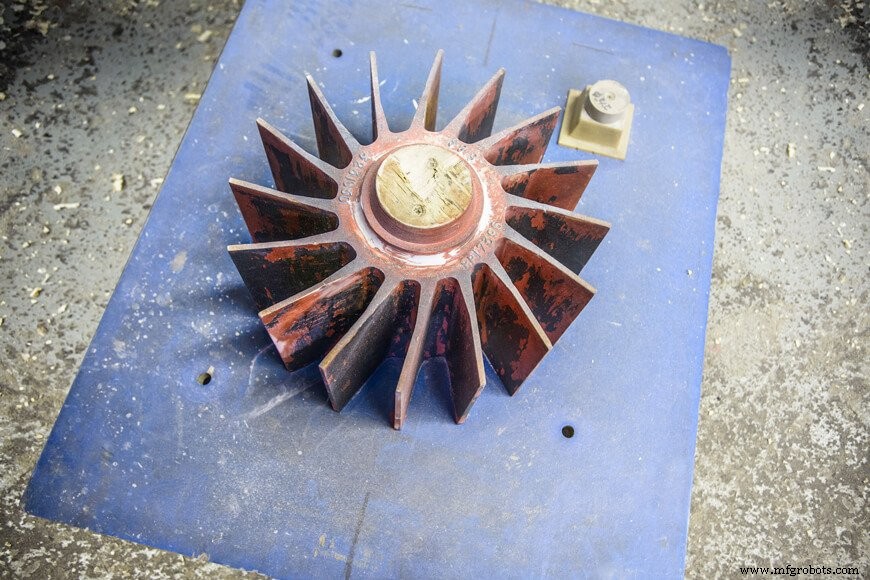
Patternmaking is the art of designing patterns. It is the first and most essential part of the casting process.
There is much more to patternmaking than making an exact replica of the shape you want to cast—the patternmaker must account for the mold type and casting metal characteristics. These allowances are built into the pattern:
-
Draft
The pattern needs to be removed from each mold it shapes without breaking or distorting it. The draft is a taper that facilitates pattern removal. The exact angle of the taper depends on the complexity of the pattern, the mold type, and surface type.
-
Shrinkage allowance
Like all materials, metal contracts as it cools. If the pattern were made in the exact dimensions specified for the end-product, the casting would be smaller than required. Shrinkage allowance compensates for the amount that a metal will shrink during cooling. The precise allowance depends on the metal being cast.
-
Distortion allowance
Patterns may be intentionally distorted to compensate for expected cooling distortion.
-
Machining allowance
Some castings are finished by machining. The patterns for machine-finished castings intentionally include excess material to compensate for material that will be lost in the finishing stage.
All patterns need a gating system
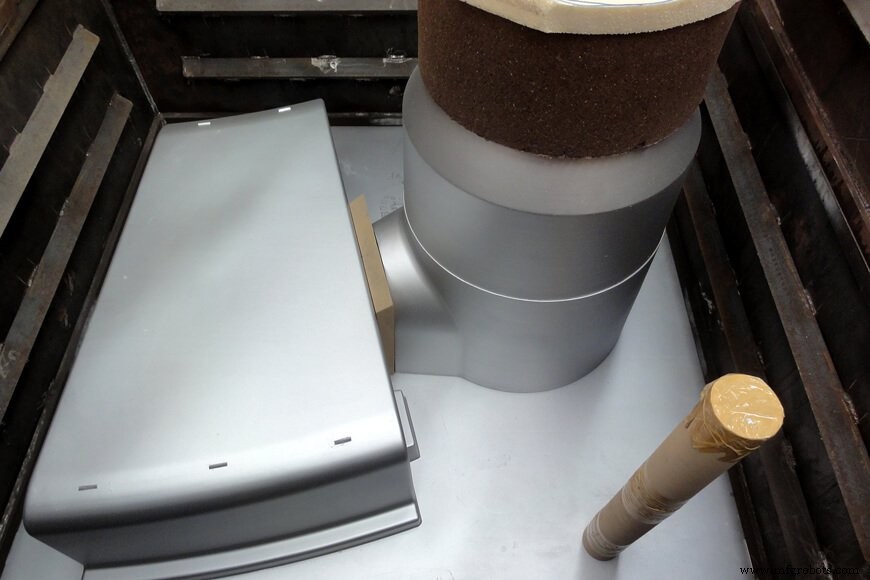
Every pattern includes a gating system that delivers liquid metal to the mold cavity. The gating system also regulates the speed that the metal enters the mold—too fast, and the turbulent liquid metal can erode the mold; too slow, and it may cool before completely filling out the cavity.
The system includes several interconnected parts:
-
Pouring cup
Liquid metal is poured directly into the pouring cup/basin. It helps separate slag from metal, reduces turbulence, and helps maintain the correct flow rate.
-
Sprue & runner
Metal flows from the pouring cup into the tapered sprue, then through the runner, which in turn feeds into the gates.
-
Gate(s)
Metal flows through the gates to fill the mold cavity. Small gates are used for castings that solidify slowly, while larger gates are used for castings that solidify rapidly. The gates need to be placed carefully to promote directional solidification.
-
Riser
The riser is a reservoir that prevents shrinkage cavities. For a riser to work properly, it needs to cool more slowly than the casting.
Gated patterns incorporate the gating system into the main pattern body. Alternatively, the gating system can be added by hand cutting or with separate pattern pieces.
There are different pattern types
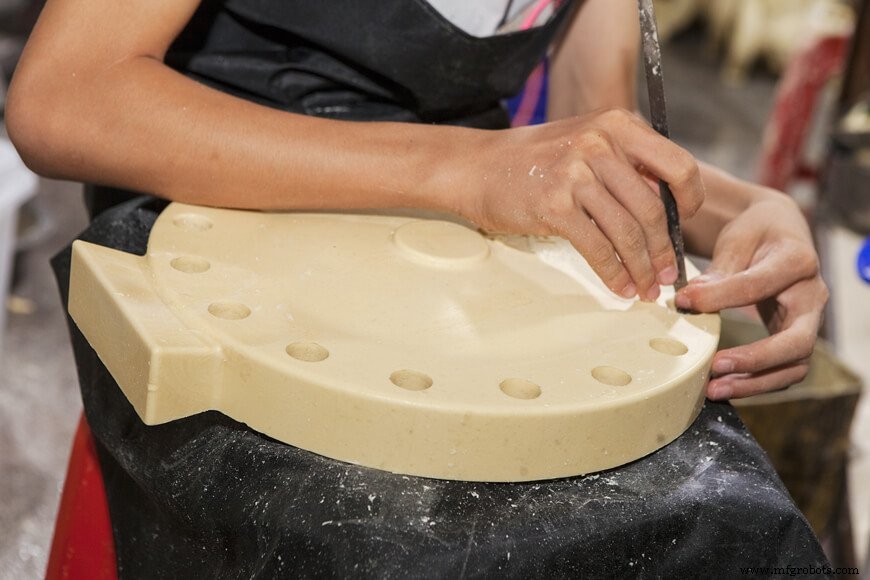
Patterns come in many materials, including wood, metal, plastics, and wax. The pattern material is chosen based on the casting volume and process used. Wood and metal patterns are usually used with sand casting, while wax is rarely used for anything but investment casting.
Patterns vary in complexity, depending on the size, shape, and number of resulting castings required. There are many types of patterns in use in foundries today; some of the more common ones include the following:
-
Loose patterns
Normally produced in wood, these are single representations of the casting needed to be produced, and are used only when a few castings are needed as productivity associated with more complex patterns is likely not an issue. When molding with loose patterns, the feeding system for the casting (gates, risers, etc.) is normally cut into the sand by hand. Some loose patterns may be split into two halves to facilitate molding.
-
Gated patterns
Often more complex than loose patterns, gated, or “mounted,” patterns are generally mounted to incorporate a gating and running system along with the pattern to facilitate productivity (by eliminating hand cutting and other molding steps), and to enhance reproducibility of the molds, which improves the overall quality of the castings.
-
Match-plate patterns
Although these are commonly produced in wood, these patterns are also often cast with the cope (top) and drag (bottom) portions of the pattern mounted on opposite sides of a plate to speed up the molding process. Gating systems are normally embedded into the match plate as well, along with fixtures/fittings used to mount these patterns onto special types of molding machines. These patterns are generally employed where large production volumes warrant the additional, higher cost of creating such patterns, and where production consistency is extremely important.
-
Investment casting dies
Lost-wax impressions are the actual patterns that are used to make molds in investment casting foundries. But where do these impressions come from? Investment casting dies are used to produce the wax patterns that will eventually form the lost-wax casting molds. As each wax pattern is destroyed in the lost-wax casting process, one is needed for each casting that is made, and these wax patterns are produced in dies. The dies are often complex metal tools with at least two parts, where the interior cavity is machined to take the shape of the desired wax pattern. Wax gets injected into these dies, and, after cooling, the die is separated and the one-piece wax pattern is extracted. As with sand molding, metal cores and other pieces can be assembled into these investment casting dies to form interior cavities and other complex parts of the desired casting.
Manufacturing process
- Top 15 Metal Casting Patterns Every Industry Should Know
- Metal Casting Explained: Definition, Types & Process
- Forging vs Casting: Key Differences in Metal Fabrication
- Understanding Pattern Allowance in Metal Casting: Types & Reasons
- Comprehensive Guide to Metal Casting: Definitions, Types, and Processes
- 11 Proven Metal Casting Techniques for Precision Manufacturing
- Metal Casting Design: Crafting Durable, Cost‑Effective Components
- Expert Guide to Specifying and Ordering Custom Metal Castings
- Rapid Metal Casting: Key Benefits & Industry Applications
- Evaporative Pattern Casting: Definition, Uses, Pros, and Cons