



How to Select a Trusted CNC Machining Partner
Choosing the right CNC machining supplier is a strategic decision that shapes product quality, schedule, and budget. An unreliable partner can trigger delays, inconsistent tolerances, and unforeseen costs.
From engineering and procurement viewpoints, selecting a dependable CNC partner requires evaluating technical prowess, quality systems, communication, and long‑term collaboration potential—beyond mere price comparison.
Evaluate Technical Capabilities and Equipment
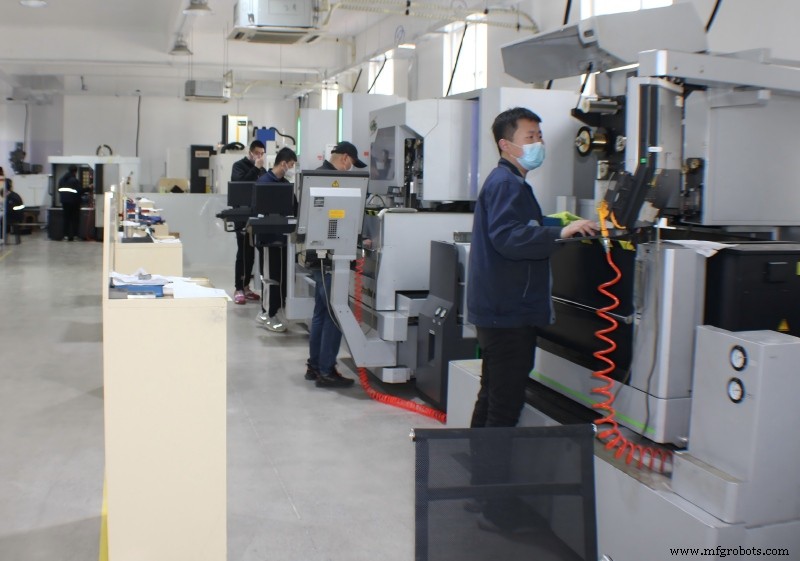
A reputable CNC supplier must possess advanced machinery—multi‑axis machining centers, high‑speed lathes, and 5‑axis machines—to tackle intricate geometries with tight tolerances.
Beyond the machines, technical capability encompasses programming expertise, tool selection, and process optimization. A qualified partner should review your design and suggest improvements that enhance manufacturability and reduce cost.
Assess Experience with Similar Projects
Track record matters. Suppliers who have delivered aerospace, medical, or high‑performance industrial components are more likely to understand stringent tolerance control, surface finish, and functional requirements.
Case studies, sample parts, and past project histories provide insight into a supplier’s reliability and technical depth.
Verify Quality Control Systems
Robust QA is essential. A trustworthy manufacturer should implement a full QA chain: incoming material inspection, in‑process checkpoints, and final dimensional checks using CMMs. Request inspection reports, material certificates, and traceability logs, especially for regulated sectors.
Consistent quality arises from a well‑managed process supported by proper documentation and industry standards.
Review Communication and Responsiveness
Transparent and timely communication is often the linchpin of a successful partnership. Prompt replies, detailed technical explanations, and proactive status updates reduce misinterpretations and keep projects on track.
During the quotation stage, evaluate how thoroughly the supplier reviews your drawings and requirements; a detailed response usually signals higher professionalism and attention to detail.
Consider Lead Time and Production Flexibility
Production speed and adaptability are critical for projects with tight schedules or evolving specs. A dependable supplier offers realistic lead times, can scale from prototypes to mass production, and employs efficient scheduling to honor delivery commitments.
Analyze Pricing Beyond the Initial Quote
Cost is a factor, but the cheapest quote can mask quality compromises. Hidden charges from rework or delays can erode savings. Focus on total value: a slightly higher upfront cost may translate into fewer defects, lower lifecycle expenses, and greater reliability.
Transparent pricing and detailed quotations are hallmarks of a trustworthy partner.
Check Material Sourcing and Traceability
Material integrity drives part performance. Reputable suppliers source from vetted vendors, provide certifications, and maintain traceability for every batch—essential for aerospace, medical, and critical industrial applications.
Evaluate Post‑Processing and Finishing Capabilities
Many CNC parts require anodizing, plating, heat treatment, or polishing. Suppliers offering integrated post‑processing streamline project flow, maintain consistency, and reduce coordination overhead.
Look for Long‑Term Partnership Potential
A CNC supplier should be more than a transaction; they should evolve with your product roadmap. Partners who invest in understanding your business and technical needs bring valuable insights, process improvements, and predictability to every order.
Conclusion
Selecting a reliable CNC machining partner demands a holistic assessment of technical competence, QA rigor, communication, and value. While price matters, it should never compromise quality or reliability. By adopting a structured approach, companies can mitigate risk, elevate product quality, and ensure efficient production from prototype to full‑scale manufacturing.
Manufacturing process
- Friction and Regenerative Braking: How Modern Vehicles Capture Energy
- Smart Parking Counter: Real‑Time Vehicle Tracking with Arduino, Processing, and PHP
- Unlocking Profit: The Business Potential of Popsicle Vending Machines
- Extrusion Process Explained: How It Works, Types, Applications, Pros & Cons
- Optimizing Printed RFID Antenna Manufacturing: Process, Quality, and Performance
- Types of Shaper Machines & Their Classifications – A Comprehensive Guide
- Build a Web-Enabled Arduino Car Race Brick Game
- LoRa‑Based Smart City Air‑Quality Monitoring System
- Camshaft Position Sensor Explained: How It Keeps Your Engine Running Smoothly
- Efficient Water Management & Pollution Control for Modern Steel Plants