



How a Manufacturing Skills Gap Threatens Your Business: 4 Key Impacts
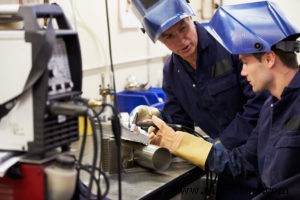
The manufacturing skills gap is a longstanding challenge in the U.S., generating macro‑level economic concerns. Yet, the shortage of technically proficient talent also threatens businesses on a granular, day‑to‑day basis.
Below are four critical ways an insufficient skill base can erode your operations—often in ways you may not anticipate.
- Employee Safety
Employee safety should be non‑negotiable. When skilled personnel are scarce, equipment falls into neglect, increasing the likelihood of malfunctions that jeopardize workers. Research by the Institute of Work & Health shows that newer, untrained employees are three times more likely to suffer a lost‑time injury than seasoned workers, particularly when 1 in 5 new hires do not receive proper safety orientation. A workforce lacking both quantity and advanced skills heightens risk across the entire operation.
- Revenue Loss
Skill shortages can directly curtail production output, stalling growth. The Manufacturing Institute reports that this gap can erode net yearly earnings by over 11% when combined with higher production costs. Downtime escalates when technicians cannot swiftly diagnose or repair equipment failures, often forcing companies to engage external maintenance services at premium rates.
- Customer Satisfaction
Production stoppages mean you cannot deliver the quantities or quality your customers demand. Faulty or poorly maintained machinery may produce sub‑standard products, damaging your reputation. In manufacturing, consistent quality and reliable delivery are key differentiators—failure to meet these expectations can prompt customers to seek alternate suppliers, directly impacting your profit margin.
- Industry Competition
Unmet customer expectations open the door for competitors—whether domestic or overseas—to capture lost market share. A sustained skills deficit may force you to relinquish positions to rivals who can deliver faster, higher‑quality outputs.
If you’re already feeling the strain of a skilled talent shortage, our Technical Workforce Solution can help restore balance. Contact us today for more information.
Equipment Maintenance and Repair
- Modern Manufacturing: Bridging the Skills Gap with a New Workforce
- Why Structural Fiberglass Outperforms Steel: 5 Key Business Advantages
- Robots vs. Skills Gap: How Automation Is Fueling U.S. Manufacturing Growth
- Can Targeted Worker Training Bridge Manufacturing’s Skills Gap?
- Bridging the Talent Gap: What Manufacturing Must Do Now
- 4 Manufacturing Trends Reshaping Your Business in 2024
- Bridging the Manufacturing Skills Gap: 5 Essential Competencies for the Future Workforce
- 4 Proven Strategies to Accelerate Growth in Manufacturing Operations
- Bridging the Skills Gap in Automotive Manufacturing: A Path to Innovation
- Engineering Workforce Solutions: Bridging the Skills Gap