



Modern Manufacturing: Bridging the Skills Gap with a New Workforce
It’s no surprise to industry insiders that manufacturing facilities—and the technical talent within them—have changed.
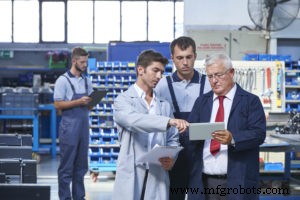
Gone are the dark, dusty warehouses of the Rust Belt’s past. Today’s high‑performance factories are clean, technologically advanced, and designed for both productivity and worker satisfaction.
Key enablers include state‑of‑the‑art machinery, data‑driven maintenance strategies, and the growing adoption of the Internet of Things (IoT) in industry. Affordable, rugged sensors and digital oscilloscopes now provide real‑time, accurate monitoring of machine tools. This continuous data stream supports predictive and preventive maintenance, reducing downtime and boosting output.
New technology, new skills, new workers.
As equipment evolves, so does the skill set required on the shop floor, creating one of manufacturing’s biggest challenges: the skills gap.
The skills gap refers to manufacturers’ struggle to fill technical roles with workers who possess the necessary training, experience, and certifications.
Retiring veterans bring deep, hands‑on knowledge that is hard to replace, yet a younger workforce is reluctant to view manufacturing as a viable career path—often due to longstanding negative stereotypes—and lacks the technical acumen needed for modern production.
This gap has alarmed the industry. A recent study by Plant Engineering found that 85% of factory maintenance engineers and executives expressed major concern about the retiring workforce and the scarcity of skilled technicians among younger workers.
Effective staffing now demands collaboration between seasoned workers who understand legacy equipment and tech‑savvy newcomers capable of harnessing advanced tools.
To close the gap, forward‑thinking hiring managers are identifying talent early—seeking candidates with the right credentials for immediate impact and long‑term growth.
New workers, new credentials.
The same study revealed that 70% of respondents expect most future manufacturing roles to require at least a two‑year degree, with some predicting a shift toward four‑year degrees. While a degree is not always a prerequisite for technician roles, it signals ambition and readiness for growth. In emerging fields like mechatronics—a blend of mechanical and electronic engineering—formal education can be especially valuable.
Reaching out.
Re‑shaping the workforce begins with recruiting from technical, vocational, and skills‑based schools rather than traditional high schools, which often discourage factory careers. Partnerships with these institutions allow employers to showcase the modern factory environment and its career prospects.
Additionally, tapping into programs that support low‑income or displaced workers—through government grants or internships—offers a pathway for individuals seeking retraining and new opportunities.
Employee development.

Once hired, continuous development is essential. A blended learning model—combining hands‑on training, classroom instruction, and digital resources—ensures comprehensive skill transfer.
Mentorship programs that pair legacy experts with young talent foster knowledge exchange, enhance performance, and improve retention, ultimately driving higher productivity and lower costs.
Millennial mentality.
Young workers differ in work style and motivation from their seasoned counterparts. While veterans often thrive on routine and incremental advancement, Millennials and Gen Z value rapid milestones, purpose, and transparent feedback.
Managers who understand this mindset can design reward structures and career paths that deliver timely recognition, maintaining momentum and job satisfaction.
Adapting to this new energy may require initial effort, but the long‑term benefits—greater engagement, innovation, and resilience—are well worth it as the industry evolves.
Contact us today to learn how our industrial maintenance technician training courses and industry‑leading factory maintenance services can address your specific needs.
Equipment Maintenance and Repair
- How a Manufacturing Skills Gap Threatens Your Business: 4 Key Impacts
- Bridging the Smart Home Skills Gap: Why Britain Lags Behind Europe
- Can Targeted Worker Training Bridge Manufacturing’s Skills Gap?
- Bridging the Skills Gap: Empowering Manufacturers Through Workforce Development
- How to Hire Veterans to Close Manufacturing Skills Gaps
- Closing the Skills Gap: Empowering Underrepresented Communities for a Stronger Workforce
- National Manufacturing Day 2019: Bridging the Skills Gap for a Stronger Workforce
- Bridging the Skills Gap: Building a Multigenerational Workforce for Manufacturing Success
- Bridging the Skills Gap in Automotive Manufacturing: A Path to Innovation
- Engineering Workforce Solutions: Bridging the Skills Gap