



Predictive Plant Maintenance for Food Processing: Boost Safety, Reliability, and Efficiency
Food processing demands that equipment maintenance not only meets stringent safety standards but also keeps pace with rapid growth. Predictive maintenance can transform your plant’s reliability and efficiency.
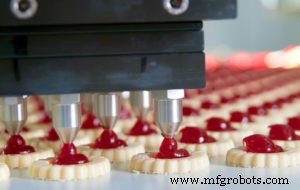
In the food industry, consumer expectations drive faster production cycles. To stay compliant with FDA’s Current Good Manufacturing Practices (cGMP) and deliver high‑quality products, manufacturers must invest in robust plant maintenance.
Research indicates that the average age of machinery in food processing facilities exceeds 20 years. Aging equipment, coupled with strict food‑safety regulations, makes meticulous maintenance more critical than ever.
Preventative Maintenance – The Traditional Foundation
Many facilities still rely on a reactive, run‑to‑failure model. While this can be adequate for low‑volume operations, it often leads to costly downtime and compromised product quality.
Preventative Maintenance (PM) schedules regular inspections, diagnostics, and part replacements based on time or usage. In food plants, where multiple processing lines and packaging stations operate in tandem, PM can seize opportunities on idle equipment and prevent minor issues from escalating.
However, PM is not without challenges. It may result in unnecessary work on unused equipment, and technicians can become overwhelmed by routine tasks, missing urgent failures.

Predictive Maintenance – The Future of Reliability
Predictive Maintenance (PdM) takes the next step by using condition‑based data to identify impending failures before they occur. Technologies such as ultrasound, thermography, vibration analysis, and IoT sensors feed real‑time insights into maintenance platforms.
By monitoring temperature gradients, acoustic signatures, and vibration patterns, PdM flags wear, misalignment, or lubrication loss in advance. This proactive approach dramatically reduces unplanned downtime, preserves product integrity, and aligns with cGMP compliance.
Bluetooth and cloud connectivity enable technicians to receive alerts on mobile devices, allowing them to address issues instantly without disrupting production schedules.
Beyond safety, PdM unlocks operational efficiencies—lower repair costs, extended equipment life, and a stronger data foundation for continuous improvement.
Integrating PM and PdM – A Balanced Strategy
Transitioning to a predictive model is smoother when you already have a PM framework. Combine scheduled inspections with real‑time monitoring to cover all maintenance scenarios. Tailor the mix to your plant’s unique workflow and critical equipment.
Ready to elevate your maintenance program? Download our whitepaper or contact our consultants today.
Equipment Maintenance and Repair
- Predictive Maintenance Explained: How It Cuts Downtime and Drives Value
- Harley-Davidson Plant Achieves Excellence with Proactive and Predictive Maintenance
- Reviving Maintenance: From Obsolescence to Sustainable Excellence
- Predictive Maintenance: Unlocking Efficiency and Risk Reduction with Data-Driven Insights
- Plant Maintenance Demystified: Best Practices for Modern Industries
- How Predictive Maintenance Drives Servitization Success
- Predictive Maintenance Explained: How to Minimize Downtime and Maximize Asset Performance
- Predictive Maintenance Explained: Why It’s Essential for Modern Facilities
- Key Trends Shaping Equipment Maintenance in 2024
- Periodic vs. Predictive Maintenance: Choosing the Right Strategy for Your Business