



Predictive Maintenance Explained: How It Cuts Downtime and Drives Value
What Is Predictive Maintenance?
Predictive maintenance is the practice of forecasting when equipment will need service, enabling timely interventions that prevent failures. While the term often appears in Industry 4.0 conversations, many firms still lack a clear, actionable roadmap for implementation.
This guide walks you through the concrete steps that turn the abstract concept into a reliable, data‑driven process that benefits both operators and customers.
Why Predictive Maintenance Matters
Traditional maintenance models—reactive or preventive—can leave organizations facing costly downtime or unnecessary parts replacement. Predictive maintenance offers a balanced approach: service actions are scheduled only when data signals an impending issue, leading to minimized unplanned outages and extended asset life.
Beyond operational gains, a well‑executed predictive strategy can become a revenue‑generating service line, positioning your business as a proactive partner to clients who value uptime.
The Key to Success: Start Small
As with most digital‑transformation initiatives, incremental adoption is the safest path. Rather than rushing to automate every detail with AI, focus first on establishing a repeatable process. This ensures that the system remains comprehensible and maintainable as it scales.
Follow these four foundational steps to lay the groundwork for predictive maintenance:
- Define a clear strategy
- Collect and store relevant data
- Identify the failure threshold
- Configure proactive alerts
With these elements in place, you’ll be ready to offer data‑driven maintenance to your clients.
1. Defining a Predictive Maintenance Strategy
Before buying hardware or software, outline the business case: Which machines will benefit most, and what is the expected return on investment? Identify the key performance indicators (KPIs) that will signal asset health—such as temperature, vibration, or load—and confirm that monitoring them is technically feasible.
2. Data Acquisition, Processing, and Storage
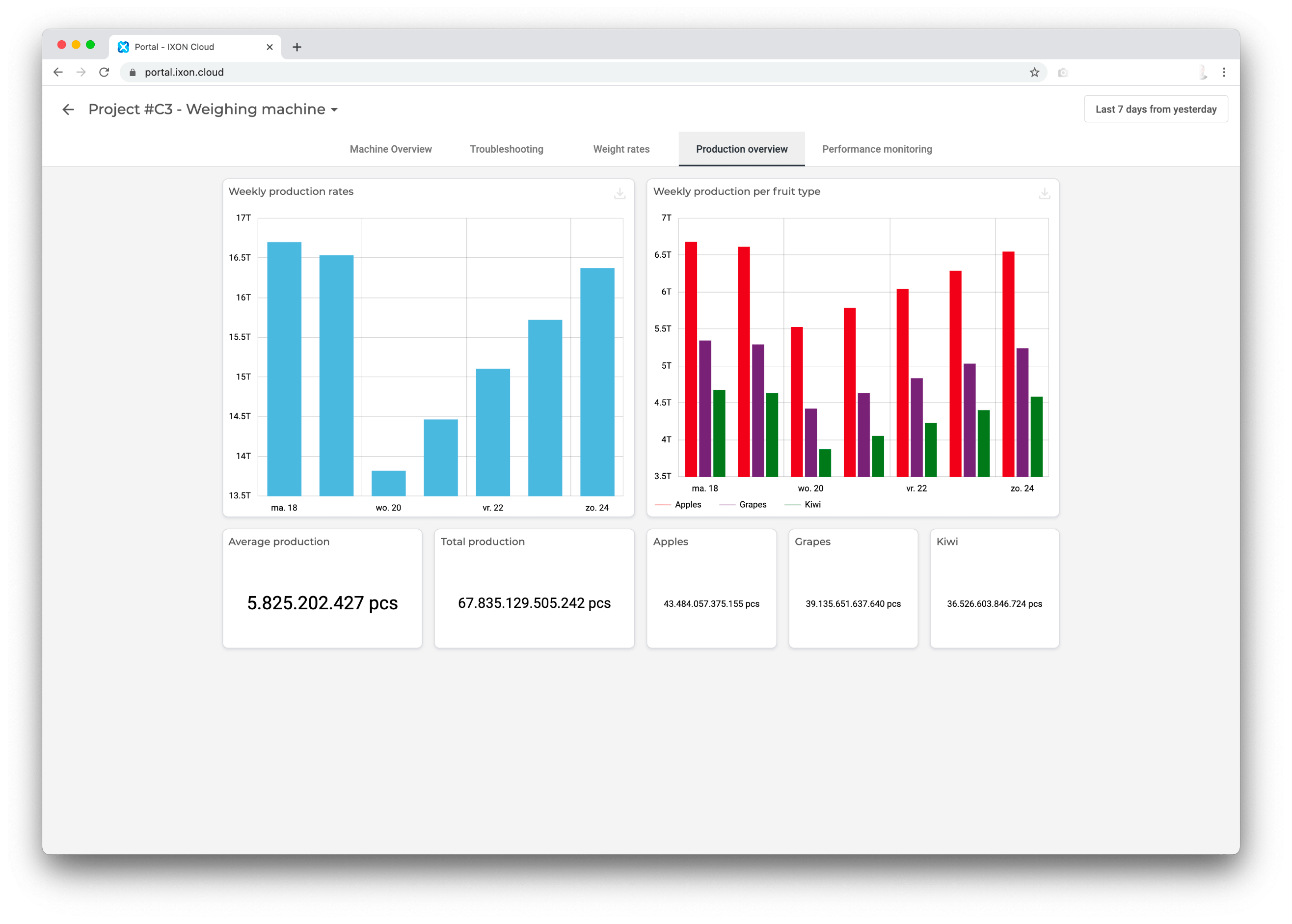
Once the strategy is set, implement a robust data pipeline. Log sensor readings at consistent intervals and retain historical records up to the point of failure. This historical dataset is the foundation for trend analysis and model building.
3. Determining the Future Point of Failure
With sufficient historical data, plot the chosen variable against time. A typical degradation curve will reveal a threshold beyond which component life rapidly declines. For example, an electrical connection might fail once its temperature consistently exceeds 40 °C.
4. Configuring Alarms and Notifications
Translate the failure threshold into actionable alerts. Set up real‑time notifications that trigger when the monitored variable approaches the critical level, giving service teams enough lead time to replace parts before a breakdown occurs.
Ready to Deploy Predictive Maintenance?
Armed with a strategy, data pipeline, failure model, and alert system, you can begin delivering predictive maintenance services with confidence. IXON Cloud simplifies each step, allowing you to focus on value rather than infrastructure.
Start collecting and analysing your data today.
Create your free IXON Cloud account or schedule an online demo.
Internet of Things Technology
- Digital Factory Explained: Definition, Benefits, and Transformation Opportunities
- Autonomous Maintenance: Empowering Operators to Maximize Equipment Performance
- Unlocking Predictive Maintenance: The Future of Manufacturing Reliability
- Predictive Analytics in Manufacturing: Driving Efficiency, Quality, and Demand Forecasting
- Predictive Maintenance Explained: How to Minimize Downtime and Maximize Asset Performance
- Predictive Maintenance for Cranes: Why It’s Essential for Safety and Efficiency
- Preventive Maintenance Explained: Key Benefits for Asset Reliability
- Predictive Maintenance Explained: Why It’s Essential for Modern Facilities
- Facility Maintenance Explained: Why It Matters for Safety, Efficiency, and Value
- Sustainable Maintenance: Why It Matters for Business and the Planet