



4 Essential Safety Tips for Driving in Winter
Vehicular accidents are a leading cause of occupational injuries any time of year, but winter heightens the threats.
Winter brings icy roads, snow that blocks road and limits visibility, and extreme conditions that are rough on vehicles. That makes winter’s arrival an ideal time to reinforce basics of vehicle safety, while emphasize safety measures that are particularly important this time of year.
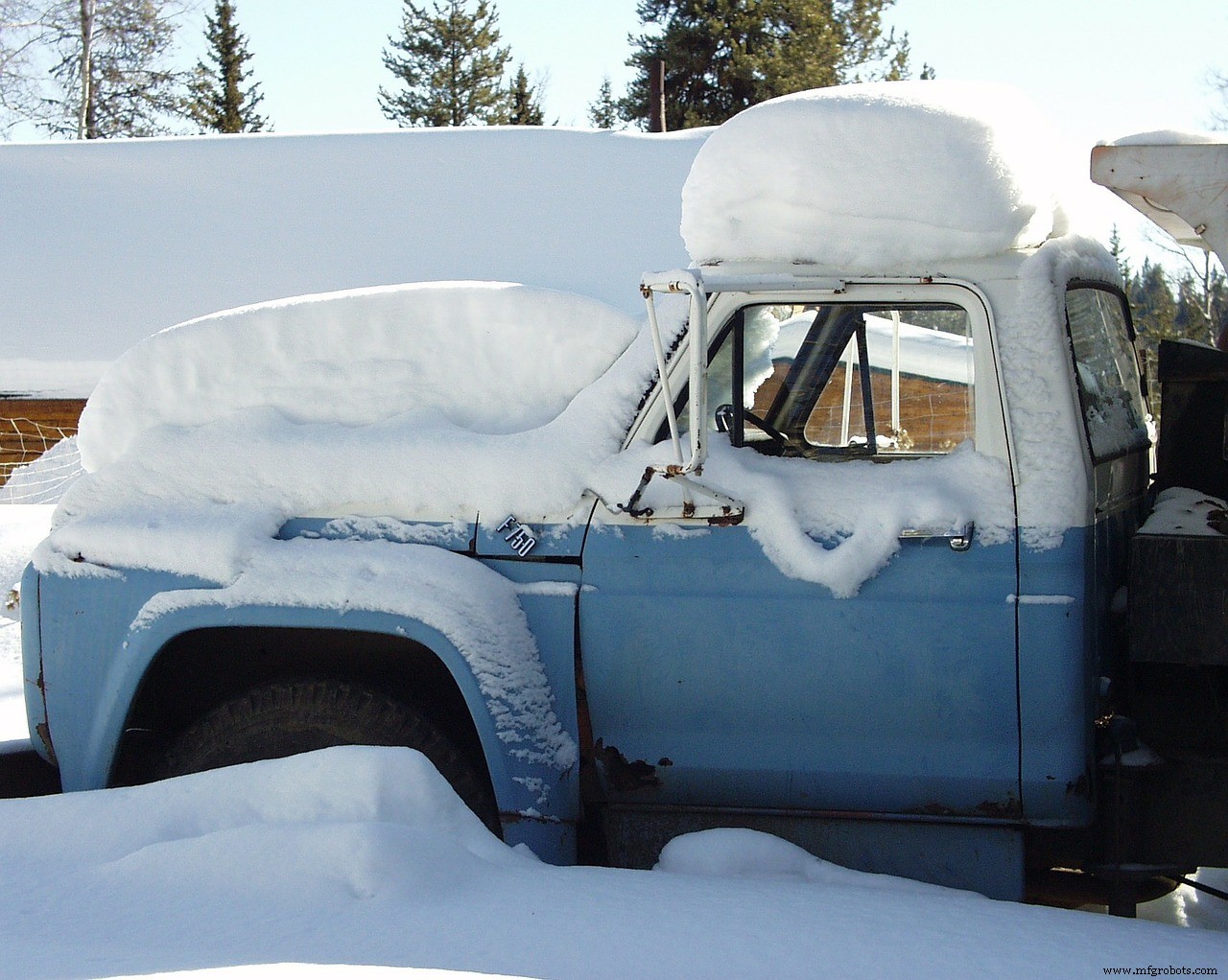 Whether your company operates a large fleet of big rigs or only a few vehicles, the following four steps will help you protect your personnel and vehicles this winter.
1. Inspect vehicle condition
Anti-freeze is an obvious item to check, but you might as well check all fluids while you’re doing that. Ideally, you should be inspecting fluid levels regularly throughout the year, but winter is a particularly perilous time to overlook fluid deficiencies because vehicle failures in winter storms can leave people stranded in perilous situations.
Also be sure to have appropriate snow tires, and check to ensure the correct tire pressure for icy conditions as specified by your tire manufacturer.
2. Fix what needs fixing
Any vehicle used in business should be regularly inspected to identify problems that need repairing before they become safety hazards and/or more costly to repair. Using vehicle inspection checklists such as The Checker, you can proactively identify items for preventative maintenance. In winter, however, the need for regular inspections is especially acute because the extreme conditions of winter take a toll on vehicles and make breakdowns potentially disastrous.
Regular inspections aren’t enough, though. The results of the inspections must be communicated to the maintenance department before any problems can be fixed! Focus on ensuring ongoing, complete communication of potential vehicle troubles to maintenance.
3. Raise Awareness Among Drivers
Vehicle safety should be an essential part of training for any personnel who operate vehicles on the job. But it’s a good idea to remind everyone of how wintry conditions will affect the way they will have to drive in order to be safe. Emphasize the importance of safe following distances and go over techniques to best manage vehicles in ice and snow.
4. Check your emergency roadside kit
If a vehicle breaks down, becomes stuck, or is involved in a wreck during a winter storm, there’s a strong possibility that help may not be able to arrive for some time. Winter storms also lead to road closures that can leave motorists stranded in their cars for hours.
That’s why it’s critical to ensure every company vehicles has a stocked emergency roadside kit that includes:
- A first-aid kit.
- Booster cables.
- Fuel line antifreeze.
- A fire extinguisher.
- A shovel.
- A tow rope or chain.
- A basic tool kit.
- Bottled water.
- A non-perishable emergency food supply, with a can opener and pocket knife.
- Extra clothing and winter footwear.
- Blankets.
- Matches.
- A candle and holder (e.g., a tin).
- A flashlight and extra batteries.
- A cell phone charger.
- Road flares, a bright cloth to use as a flag, and a “Call Police” sign.
Takeaway
Vehicle safety in winter depends on vehicles being inspected and repaired to ensure safe operating condition, drivers being attuned to the risks of winter roads, and vehicles being equipped with necessary emergency provisions.
Equipment Maintenance and Repair
- Four Proven Strategies to Scale Your CMMS Pilot Project
- CNC Machinist Safety: Essential Workplace Guidelines
- Essential Dockboard Safety Tips: Protect Your Team & Assets
- Essential Safety Tips for Moving Heavy Machinery
- 5 Essential Safety Tips for Transporting Heavy Equipment
- Stop! 3 Essential Safety Tips for Overhead Crane Operations
- 7 Essential Tips to Enhance Safety in Industrial Fluid Systems
- Essential Safety Protocols for a Secure Plant Shutdown
- Essential Summer Trench Safety & Shoring Guide: OSHA‑Approved Best Practices
- Critical Safety Guidelines for Fuel Tank Welding