



5 Essential Strategies for Maintaining Heavy Machinery
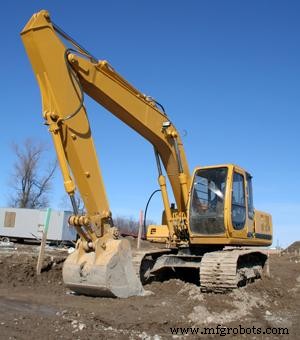
Preventive and scheduled maintenance is the backbone of heavy‑equipment reliability. Modern mining, agriculture, and construction rely on large machines that, if neglected, can halt entire operations. By investing in routine care, companies protect capital, keep crews safe, and maintain production schedules.
Benefits of Maintenance
Regular maintenance preserves equipment value, extends lifespan, and safeguards operators. Early detection of wear or malfunction allows for timely repairs, preventing costly downtime and reducing the risk of catastrophic failures that could endanger personnel.
Studies show that well‑managed maintenance programs can cut unscheduled breakdowns by up to 40% and reduce overall operating costs by 10–15%.
Safety
Maintenance work on large machinery is inherently hazardous. OSHA reports that 15–20% of all industrial accidents—and 10–15% of fatal incidents—are tied to maintenance activities. Scheduled overhauls and preventive checks lower the likelihood of on‑site mishaps, safeguarding technicians and crew alike.
Implementing strict safety protocols and thorough inspections dramatically cuts workplace injuries.
Below are five proven maintenance strategies that combine efficiency with safety.
1. Keep Daily Records of Use and Monitor Operations
Skill gaps often cause excessive wear. Tracking machine usage—via logbooks or GPS tracking—helps identify patterns that lead to premature failure. GPS data provides real‑time insights, enabling proactive interventions before problems worsen.
2. Maintain a Structured Planned Maintenance Schedule
All components have finite lifespans. Forecast wear rates and replace parts—especially critical items like bearings—on schedule. Experienced technicians should perform replacements to ensure quality and maintain compliance.
Regular inspection of bearing housings for corrosion and wear, coupled with meticulous maintenance logs, guarantees no critical check is missed.
3. Lubricate and Clean Frequently
Moving parts demand consistent lubrication. Hydraulic systems, engines, and power trains should be greased or oiled at the first sign of need. Contamination, especially water ingress, accelerates corrosion.
Routine seal checks and filter replacements keep lubricants pure, extending component life and preventing unexpected breakdowns.
4. Inspect and Monitor Components for Wear and Damage
Visual inspections of belts, pulleys, chains, gears, and sprockets should occur regularly. Misalignment or cracked teeth often signal deeper mechanical issues.
Fluid analysis—testing used lubricants and hydraulic fluids—provides early warning of contamination or wear debris, allowing corrective action before severe damage occurs.
5. Protect Equipment During Storage
When machines sit idle, they remain vulnerable to rust, condensation, and environmental damage. Store heavy equipment under cover, rotate parts regularly, and maintain protective coatings.
Oil‑mist lubrication is especially effective in warm, humid climates, mitigating corrosion and preserving component integrity.
About the Author
Jayde Ferguson writes for Statewide Bearings, a leading bearing manufacturer in Australia.
Equipment Maintenance and Repair
- 10 Proven Strategies for an Effective Preventive Maintenance Program
- 6 Essential Welding Practices for Plant Maintenance
- 5 Proven Maintenance Practices to Maximize Heavy Machinery Performance
- 5 Proven Strategies for Reliable Electronics Maintenance
- Master Your CMMS Trial: 5 Expert Tips for a Seamless Evaluation
- Essential Maintenance Tips for Heavy Machinery: Boost Performance & Cut Downtime
- Expert Guide: 4 Essential Tips for Maintaining Large Machinery
- 6 Proven Strategies to Cut Equipment Maintenance Costs
- 8 Essential Tips for a Successful Preventive Maintenance Program
- Essential Mini Excavator Maintenance Tips: Keep Your Compact Rig Running Smoothly