



Mastering CMMS Training: Practical Planning Tips for Success
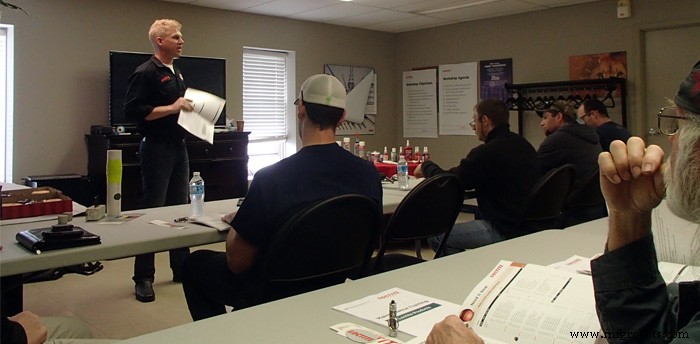
As Canada’s economy rebounds, companies are increasingly investing in CMMS training and people development. To help you launch a program that runs smoothly, I’ve compiled a set of proven planning tools.
Think back to the training sessions you’ve enjoyed. A clear agenda, well‑structured materials, and an engaging instructor are common threads. Below is a step‑by‑step guide to replicate that success.
Regardless of whether your session is a two‑hour refresher or a multi‑day workshop, the same level of detail will make the difference. Grab a pen and let’s dive in.

Ready to design a training program that delivers results?
1. Identify Participant Needs
Begin by assessing the challenges your team faces and how the training will address them. Define clear, measurable objectives—often called SKA (Skills, Knowledge, Attitudes)—that outline what participants should be able to do after the course.
Writing effective objectives can be tricky, but these guidelines simplify the process:
- Keep them concise and to the point.
- Ensure clarity and avoid jargon.
- Make every objective measurable.
- Specify required tools and resources.
2. Develop a Comprehensive Training Plan
Your plan should cover:
- Time allocation for each segment.
- Materials and equipment needed.
- Training space capacity.
- Lesson sequence and content flow.
- Preferred off‑site location to minimize distractions.
3. Craft a Detailed Agenda
Send candidates a clear agenda at least two weeks in advance. Include the classic “3 Ws”: What, When, Where.
- What: Topics, breaks, and learning activities.
- When: Dates, start and finish times, and schedule of breaks.
- Where: Venue details, directions, and parking information.
Encourage participants to bring relevant documents or examples from their work to enrich discussions.
4. Choose the Right Venue and Equipment
Assess space requirements, seating comfort, and audio‑visual needs. If computers or specialized software are required, coordinate with IT well in advance to set up hardware, install applications, and ensure reliable network access.
Remember that technical glitches can derail a session. Allocate ample time for setup and have IT support on standby.
5. Prepare Training Materials and Resources
- Create customized manuals that serve as reference guides post‑training.
- Gather examples, case studies, or demonstration tools to illustrate key concepts.
- Check the availability of all aids and equipment, and create a checklist to verify readiness before each session.
6. Manage Logistics on the Day of Training
Arrive early to confirm that the venue, equipment, and software are functioning correctly. Verify that IT support is ready to resolve any unforeseen issues.
Plan catering thoughtfully—provide simple, nourishing lunches and schedule adequate break times to keep participants focused.
7. Deliver with Focus and Clarity
Keep the agenda tight and objectives front‑and‑center. Managers expect a strong return on their investment, so every minute of instruction should add value.
Training is often a last‑minute assignment. By planning meticulously and communicating clearly, you’ll reduce the likelihood of costly disruptions and leave participants ready to apply new skills immediately.
Contact Peter Phillips, Trailwalk Holdings – a Nova Scotia‑based CMMS consulting and training firm – at 902‑798‑3691 or peter@trailwalk.ca for expert guidance.
Original article hosted on the MRO website.
Equipment Maintenance and Repair
- Penske Earns ASE Certification for Comprehensive Vehicle Maintenance Training Program
- U.S. Navy Launches Advanced P‑8A Poseidon Maintenance Training Facility
- 5 Essential Strategies for Maintaining Heavy Machinery
- Why CMMS Training Is Crucial for Successful Implementation
- Top 5 Forklift Maintenance Tips for Peak Performance and Longevity
- Essential Marine Cargo Crane Maintenance: Expert Tips for Reliable Operations
- Understanding Office Maintenance: Key Tasks & Outsourcing Benefits
- Essential RV & Motorhome Maintenance Tips for Longevity & Savings
- Expert Tips for Reliable Industrial Backup Generator Maintenance
- Essential Mini Excavator Maintenance Tips: Keep Your Compact Rig Running Smoothly