



5 Proven Maintenance Practices to Maximize Heavy Machinery Performance
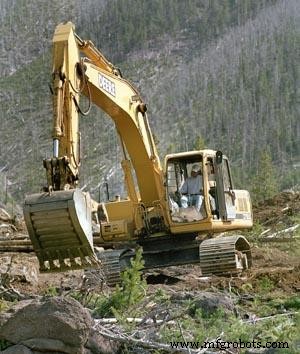
Heavy‑lifting and earth‑moving equipment is the backbone of mining, construction and agriculture worldwide. These high‑value assets must operate at peak efficiency to meet demanding schedules while protecting operators and safeguarding investment. Preventive maintenance is therefore not optional—it’s essential.
1. Schedule Regular Inspections
Just as you would schedule a routine check‑up with a physician, a systematic maintenance program keeps machinery running reliably. Ad‑hoc repairs often arise from rushed, error‑prone work, increasing the risk of costly downtime and safety incidents. According to OSHA, up to 20% of industrial accidents involve maintenance activities, with 15% resulting in fatalities. By sticking to a disciplined maintenance schedule, you extend the useful life of your fleet and create a safer workplace.
My grandfather always said, “If everything works on your truck, that’s just an excuse for something to break.” That mindset—continuously monitoring for minor issues—helps catch problems before they balloon into major failures.
2. Use OEM Parts and Correct Attachments
Choosing the right equipment for the right job requires careful consideration of terrain, material type, and environmental conditions. Equally critical is ensuring that all attachments—buckets, plows, augers—are genuine, OEM‑specified parts designed for your machine. Mismatched or sub‑standard components can compromise performance, safety, and longevity.
Before deploying any new part or attachment, double‑check compatibility with the machine’s specifications. Bearings, chains, gaskets, and seals must match the manufacturer’s quality, size, and load‑bearing criteria.
3. Respect Load Limits and Power Settings
Never exceed the manufacturer’s rated capacity for weight, incline, or power output. Modern heavy machines often feature multiple power modes; operators should select the appropriate mode for the task at hand. Minimizing idle time and reducing unnecessary travel also contributes to wear reduction and fuel savings.
4. Store Equipment Properly
Proper storage is a passive but powerful preventive measure. Keep all large machinery in covered, moisture‑controlled environments to protect against rust, corrosion, and UV damage. Climate‑controlled facilities further extend component life by mitigating temperature extremes.
5. Train Operators and Foster Knowledge
The effectiveness of any machine is directly tied to the skill of its operators. Provide comprehensive training—hands‑on or classroom—aligned with the manufacturer’s guidelines and industry regulations. Where applicable, secure the necessary certifications before allowing operators to work the equipment. A knowledgeable crew reduces risk and maximizes productivity.
Equipment Maintenance and Repair
- 6 Essential Welding Practices for Plant Maintenance
- 5 Essential Strategies for Maintaining Heavy Machinery
- Proven Engine Maintenance Strategies to Safeguard Heavy Equipment
- Essential Safety Tips for Moving Heavy Machinery
- Essential Maintenance Tips for Heavy Machinery: Boost Performance & Cut Downtime
- 5 Essential Safety Tips for Transporting Heavy Equipment
- How to Keep Heavy Machinery Running Smoothly: Maintenance Tips & Best Practices
- 4 Expert Tips for Managing Heavy Construction Equipment Efficiently
- 6 Proven Strategies to Cut Equipment Maintenance Costs
- Proven Strategies to Maximize Returns on Your Heavy Machinery Sale