



Critical Asset Monitoring: Why Now Is the Ideal Time for Production Equipment Checkups
During the COVID‑19 crisis, the mantra of "business as usual" vanished, reshaping every industry. Manufacturing, even in steady‑demand sectors, had to rethink workflows, adopt new safety protocols, and ensure workforce well‑being—all while striving to meet production targets.
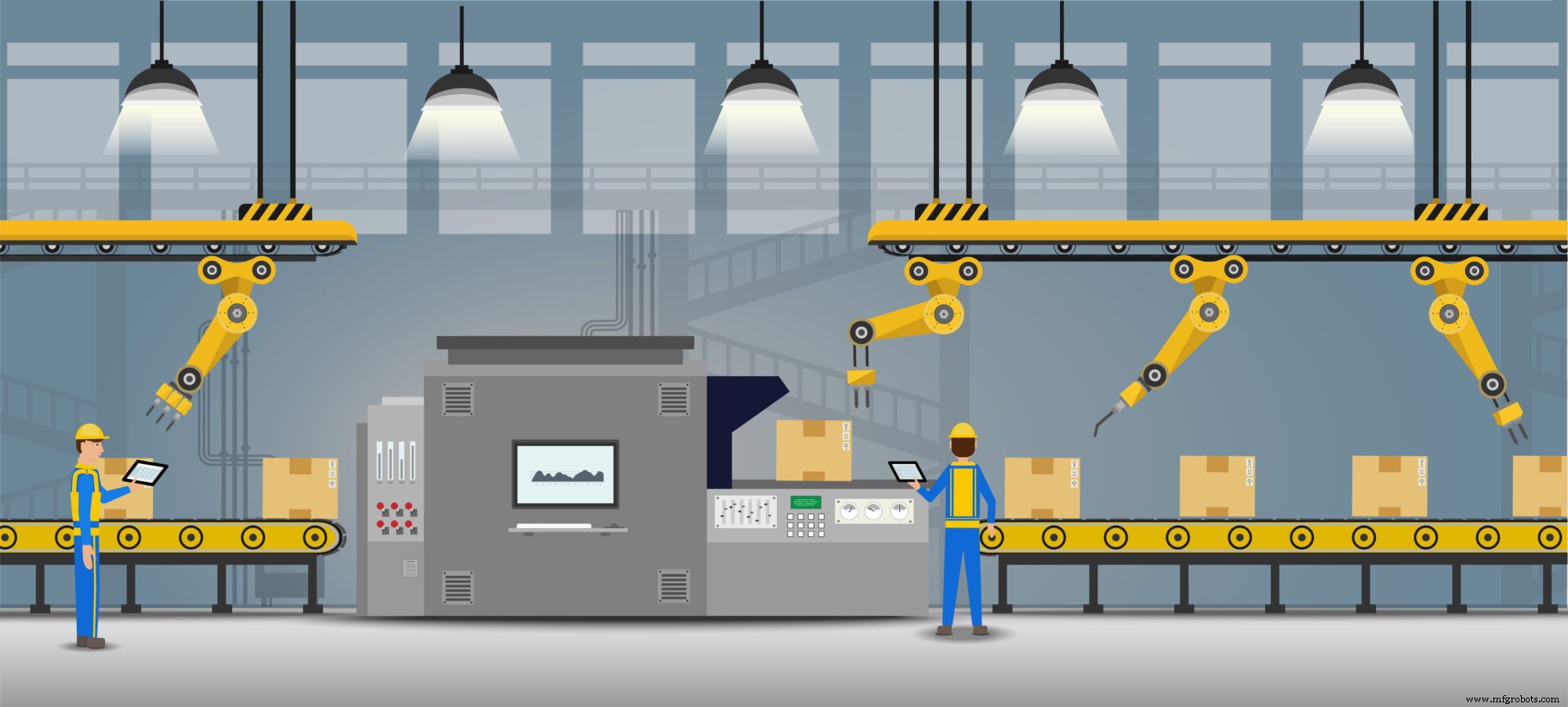
For facilities that faced temporary shutdowns due to demand dips, juggling the logistics of a pause while charting a path to restart can be daunting. Yet, these pauses present a unique opportunity: critical asset monitoring can turn downtime into a proactive advantage.
Just as regular medical check‑ups catch health issues before they become crises, routine inspections of production equipment can prevent costly disruptions and safeguard employee safety.
To determine which assets are truly critical, ask yourself:
- What production impact would a failure cause?
- How would a failure affect workplace and community safety?
- What risks does it pose to end‑user safety?
- How significant is its contribution to the overall business or bottom line?
- Could its failure damage other equipment?
- What would repair or replacement cost, including downtime?
Manufacturing’s breadth means additional sector‑specific criteria may apply, but these core questions provide a solid starting point.

Critical asset monitoring focuses on those high‑impact assets and builds an asset‑health index using historical data, real‑time process metrics, and sensor feeds. This index informs proactive maintenance, flags potential failures before they occur, and underpins preventive and predictive strategies.
Types of Critical Assets in Manufacturing
Critical assets vary by operation, but common examples include:
- High‑output production equipment: Machines such as filler‑capper units, injection molding presses, or CNC turning centers are linchpins; a single failure can halt output and derail delivery schedules.
- Material handling systems: Cranes, conveyors, and forklifts that move heavy components must run reliably to keep production lines fed and finished goods moved.
- Automation platforms: Robotics, PLC‑controlled lines, and automated conveyors enable volumes that manual processes cannot match; downtime here erodes throughput and quality.
- Precision measurement tools: Coordinate‑measuring machines (CMMs) and other QA instruments must be tightly calibrated; any deviation can compromise product safety, especially in aerospace, medical, and automotive sectors.
These assets may operate behind the scenes, but their failure jeopardizes safety, quality, and profitability.
At ATS, we have spent over 35 years mastering industrial maintenance. Our deep industry expertise lets us tailor critical asset monitoring programs that align with your unique processes. Let us help you turn maintenance into a competitive advantage and ensure your plant is ready for a seamless restart.
Equipment Maintenance and Repair
- Three Key Factors for Selecting the Right Asset Tracking Solution
- Why Maintenance & Asset Management Software Is Essential Now
- Why Smart Factories are Essential for Modern Manufacturing
- 6 Proven Strategies for Accurate IT Asset Management
- Best Practices for Safely Disposing of Equipment: Protecting the Environment and Your Business
- Predictive Maintenance vs. Condition Monitoring: Which Strategy Drives Business Success?
- 4 Ways to Improve Plant Maintenance During Low Production Periods
- Spring’s Top Landscaping Projects to Transform Your Yard
- Selecting Top-Quality Farm Equipment for Maximum Efficiency
- Optimize Industrial Robot Performance: Trusted Maintenance & Support