



Corrective Maintenance: Boosting Facility Reliability & Cutting Downtime
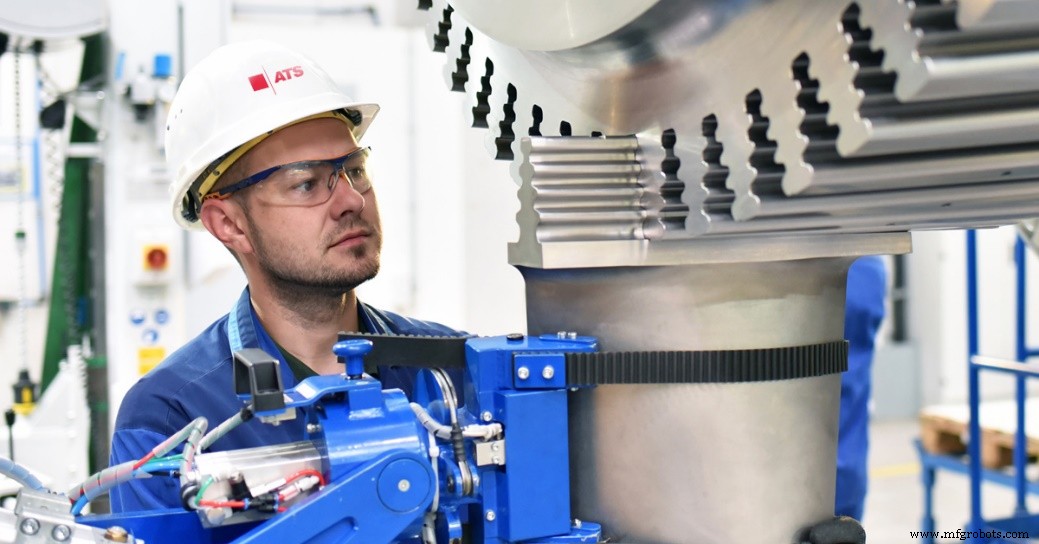
In any high‑performance manufacturing environment, maintenance is the backbone of safety, efficiency, and cost control. Corrective maintenance—the proactive repair of a component identified before it fails—plays a critical role in keeping equipment running smoothly.
Definition (per industry standards): A maintenance need detected before failure, scheduled and executed in a just‑in‑time, non‑emergency manner to prevent or drastically reduce downtime.
Corrective maintenance dovetails with preventive and predictive strategies, typically surfacing when those programs flag a potential issue. In the sections that follow, we’ll explore its key benefits, real‑world examples, distinct types, and the step‑by‑step process that turns a potential risk into a scheduled opportunity.
The Benefits of Corrective Maintenance
Implementing corrective maintenance yields tangible advantages:
- Significantly reduced downtime – By addressing issues before they manifest, you maintain tighter control over equipment availability.
- Enhanced safety – Removing emergency repair scenarios eliminates high‑risk, last‑minute interventions that can endanger personnel.
- Extended equipment lifespan – Timely intervention prevents cascading damage and preserves critical components, keeping machinery within specification.
- Lower total cost of ownership – Planned parts orders and regular staffing eliminate the premium costs of emergency parts and off‑hour labor.
- Optimized MRO planning – With corrective work in the schedule, inventory, ordering, and staffing plans become more predictable and efficient.
The Types of Corrective Maintenance
Corrective maintenance falls into two categories, differentiated by when the need is identified and addressed:
- Scheduled Corrective Maintenance – When a defect is found during a preventive or predictive check but is not immediately critical, the repair is slated for a future downtime window. For example, spotting excessive bearing wear that will not fail before the next scheduled cycle allows you to order the part in advance, eliminating surprise stops.
- Unscheduled Corrective Maintenance – When a component shows imminent failure yet has not yet broken, you perform the replacement during the current maintenance activity. This approach reduces the risk of a costly emergency repair and keeps downtime minimal.
Efficient corrective work hinges on a robust storeroom strategy: intentional, planned inventory that guarantees the right parts are always on hand. Relying on emergency orders or long lead times erodes the benefits of a proactive maintenance philosophy.
Combining a well‑constructed preventive maintenance program with a disciplined corrective strategy further slashes the need for reactive repairs. ATS specializes in this integrated approach—offering preventive, predictive, and repairable parts management, as well as storeroom optimization—to help you reduce costs, maximize uptime, and boost overall productivity. Contact ATS to discover how our solutions can elevate your facility’s maintenance performance.
Equipment Maintenance and Repair
- Deferred Maintenance: How It Impacts Your Facility—and How to Stop It
- How Well Your Preventive Maintenance Tasks Support Your Asset Care Strategy
- Streamline Facility Management with QR Code Integration
- Navigating Supply Chain Challenges During Chinese New Year
- Unlocking Business Insights: The Real Value of Process Mining for Your Company
- Is a Facility Audit Essential for Your CMMS? Expert Guidance
- Understanding Corrective Maintenance: Its Impact on Facility Efficiency
- Optimizing Facility Maintenance: Strategies to Minimize Downtime and Boost Productivity
- Essential Predictive Maintenance Tools for Crane Reliability and Cost Savings
- Cut Excavator Maintenance Costs: Proven Strategies for Long-Term Savings