



Preventing and Managing Unplanned Downtime to Maximize Plant Efficiency

Unplanned downtime is the most costly threat to a manufacturing facility. When a machine stops unexpectedly, the plant not only loses revenue, it also incurs additional repair costs, parts shortages, and labor inefficiencies. Achieving high uptime is essential for a robust Overall Equipment Effectiveness (OEE) score and for sustaining competitive productivity.
In this article we will explore the primary drivers of unplanned downtime, classify the most common types of machine outages, and present actionable strategies to keep your plant running even when disruptions occur.
Key Causes of Unplanned Downtime
The most frequent root causes are:
- Inadequate preventive maintenance: Missing scheduled oil changes, filter replacements, or cleaning allows components to wear prematurely, leading to failures.
- Insufficient training: Both operators and maintenance staff must be fully versed in equipment operation and troubleshooting; gaps here cause mis‑runs and extended stoppages.
- Undetected equipment malfunctions: Even with routine upkeep, overheating or abnormal vibration can slip through until they trigger a catastrophic shutdown.
- Operator availability gaps: A skilled technician or qualified operator may not be present when a fault occurs, turning a technical issue into a lost production hour.
Common Types of Machine Downtime
- Equipment outages: Complete failure of a machine or a critical component that halts production.
- Unplanned maintenance and repairs: Emergency fixes that require full shutdown, often incurring the highest downtime costs.
- No operator available: When a certified operator is absent, even a fully functional machine cannot run.
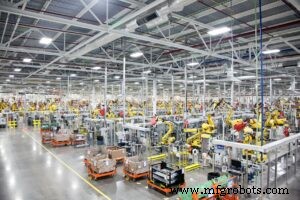
While some downtime is unavoidable, a well‑structured response plan can dramatically reduce its impact. Below are proven tactics to keep your plant moving during unexpected outages.
- Ensure qualified personnel are on hand: Rapid restoration hinges on technicians who are not only familiar with the machine but also with the specific fault that has arisen. Avoid delays by keeping a roster of cross‑trained staff ready to respond.
- Optimize inventory and MRO management: Fast repairs depend on finding the right spare part or tool immediately. Accurate stock counts, proper labeling, and proactive reorder points prevent costly rush orders.
- Strengthen your supply chain: Diversify suppliers and maintain safety stock for critical components. A resilient supply chain mitigates the risk of part shortages during a downtime event.
- Embed maintenance training in company culture: Continuous education ensures every team member can act swiftly, reducing the mean time to repair (MTTR).
- Implement predictive and preventive maintenance: Early detection of wear patterns and performance deviations prevents many outages. Scheduled interventions at optimal times keep downtime to a minimum.
ATS brings decades of industrial maintenance experience and advanced MRO asset management solutions. Our team of certified technicians delivers on‑site preventive and predictive maintenance, enhancing asset reliability and keeping your facility at peak performance. Contact ATS today to learn how we can help you reduce downtime and boost productivity.
Equipment Maintenance and Repair
- 4 Essential Strategies to Keep Your Plant Operational During Equipment Failures
- 6 Proven Techniques to Error‑Proof Your Plant Operations
- Essential Electric Motor Maintenance: Preventing Failures and Extending Lifespan
- Effective Strategies to Promote Your Manufacturing Business During an Economic Downturn
- Ready to Scale? Expert Guidance for Manufacturing Plant Expansion
- Why California Is the Ideal Choice for Your Manufacturing Business
- Minimize Downtime: Proven Strategies for Your Manufacturing Facility
- Prevent Unplanned Downtime in Your Plant: Strategies to Boost Reliability
- Strategic Manufacturing Plant Site Selection: Choosing the Ideal Location for Your Facility
- 7 Proven Strategies to Boost Manufacturing Plant Efficiency