



Choosing the Right Hydraulic Fluid: Ensuring Pump Efficiency and Longevity
Pumps may become inefficient or even catastrophically fail simply because the wrong type of hydraulic fluid is used. How do you know if you are using the right kind of fluid for your hydraulic pump? The answer to that question is dependent on several factors, including the type of pump, its maximum operating temperature, its maximum operating pressure, and even the type of material the pump’s seals are made from.
Hydraulic Fluid
Hydraulic fluid (sometimes referred to as hydraulic oil) can serve multiple purposes in a hydraulic system and its individual components — including pumps. These purposes include the following:
- Transmitting energy
- Dissipating heat
- Preventing corrosion
- Lubricating components within the hydraulic system
In the majority of cases, the most important factor is the ability of the fluid to transmit energy, but that can be compromised if too much heat is trapped within the pump, internal components are allowed to corrode, or there is not enough lubrication to prevent surface damage of the internal components.
Why Hydraulic Fluid is Important for Pumps
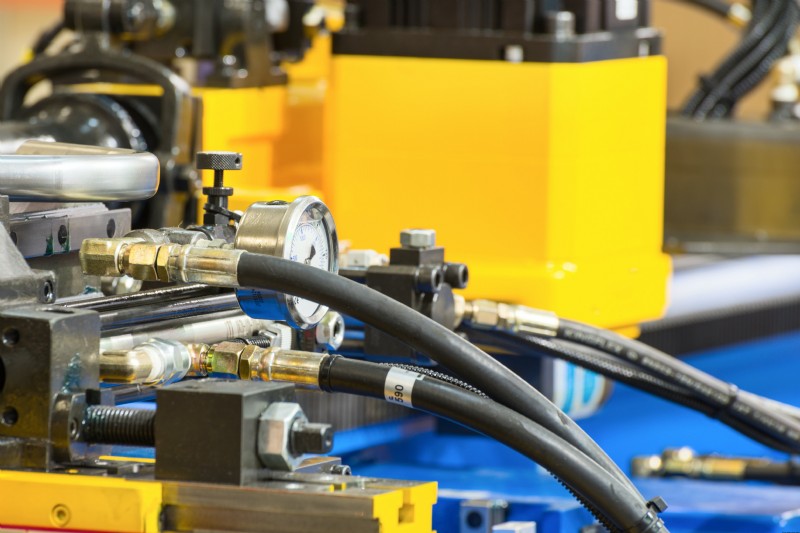
The hydraulic pump is the heart of any hydraulic system, and the wrong choice of fluid can seriously impact the pump’s performance and life expectancy. In fact, the use of a fluid that is poorly matched to the pump can lead to a catastrophic failure that can cause cascading issues throughout the system. Issues that can arise as a result of poor fluid choice include:
- Excessive heat generation
- Formation of sludge and varnish
- Erosion and excessive surface wear
- Reduced component life
- Significantly reduced system efficiency
If a pump is exhibiting any of these symptoms, it may be time to research a more appropriate hydraulic fluid for it.
Key Properties of Hydraulic Fluids
When it comes time to select a fluid for your system, it is important to know what properties are important for your particular application. The most important characteristics of a hydraulic fluid include its viscosity, lubrication, thermal properties, flammability, stability, and foaming.
Viscosity
Viscosity is a measure of a fluid’s resistance to flow, with honey being an example of high viscosity, water being an example of medium-level viscosity, and most gases exhibiting very low viscosity. It is closely related to temperature, with hydraulic fluids becoming more viscous as temperatures drop.
If a hydraulic fluid has a viscosity that is too high, the system will not perform efficiently due to the losses involved in overcoming the resistance of the fluid to motion. In addition, damage can occur because components within the system will not be fully lubricated. However, if the viscosity is too low, there can still be lubrication issues and the fluid will not be as effective at transmitting energy.
Lubrication
A good hydraulic fluid will serve as a lubricant within the system, protecting critical surfaces from damage and preventing metal-to-metal contact. In some instances, a hydraulic system or pump may require a hydraulic fluid with additives to maintain its lubricity in the presence of high pressures.
Thermal Properties
It is very important to keep in mind the system’s expected range of operating temperatures so that the hydraulic fluid remains stable and is able to maintain the desired viscosity. This can be a significant issue for equipment that is exposed to outdoor temperatures, especially when temperatures drop below freezing. In addition, the fluid needs to be able to dissipate the heat that is generated by pressure drops and friction.
Flammability

For use in an explosive or highly flammable environment, hydraulic fluid should have a high flashpoint. The flashpoint is the temperature at which the hydraulic fluid gives off enough vapor to ignite in air. However, keep in mind that hydraulic fluids can also easily ignite if they are discharged under a high enough pressure to produce a fine oil mist. Hydraulic fluids should have a non-petroleum makeup or contain large amounts of water if flammability is an issue.
Stability
Ideally, a hydraulic fluid should be non-volatile. It should remain both physically and chemically stable even in the presence of extreme pressure fluctuations, a wide operating temperature range, and even long-term storage.
Foaming
Another potential issue with hydraulic fluids is foaming, which occurs when the hydraulic fluid releases trapped gases. Foaming can result in an increased system temperature as well as a loss of hydraulic fluid as the gases are released.
Types of Hydraulic Fluid
There are three basic types of hydraulic fluid: water-based, petroleum-based, and synthetic. Each type has its own special characteristics that make it ideal for certain applications. In addition, there are some fluids that are preferred for applications that can affect the environment.
Water-based
The oldest type of hydraulic fluid is water-based, but in modern times it is not used as much as other types of hydraulic fluid. Keep in mind that while water may not be as effective at lubrication, it is ideal for situations where the possibility of fire is a major concern. As far as the price goes, water-based fluids are cheaper than synthetic fluids but still more expensive than petroleum-based fluids.
Petroleum-based
Petroleum-based fluids are far more commonly used than water-based fluids and are a cheaper alternative to synthetic fluids. There are various types of petroleum-based fluids that are differentiated from each other based on how the petroleum products were processed:
- Group I: produced from solvent neutral mineral oils
- Group II: comprised of hydroprocessed base oil
- Group III: comprised of hydrocracked base oils
The higher base oil groups help extend the life of your hydraulic pump by offering better corrosion resistance, stability, and lubrication. While they may not offer the same performance level as higher-cost synthetic fluids, the inclusion of additives will enhance their properties. One of the issues with petroleum-based hydraulic fluid, however, is the tendency to build up sludge, which can compromise the performance and efficiency of the hydraulic pump.
Additives comprise about 1% or less of petroleum-based fluids but have a tremendous impact on hydraulic fluid performance. Key additive package components include antioxidants, anti-wear components, foam inhibitors, viscosity modifiers, and rust inhibitors.
Synthetic

Synthetic hydraulic fluids are man-made and designed specifically for providing high-performance properties which also work well in flammable environments. These fluids are the most expensive, but they work better than the other types of hydraulic fluid when exposed to extreme temperature variations and high pressures. However, unlike petroleum-based and water-based fluids, they may be incompatible with certain seal materials and can be toxic.
Hydraulic Fluids and Pump Type
The three most common types of pumps are gear, vane, and piston. The needs of each pump differ slightly.
Gear Pumps
Gear pumps operate by compressing fluid between the inside wall of the gear housing and the trapped air volume of the meshing gear teeth. They are usually classified as internal or external, with internal gear pumps being the more reliable of the two. In addition, internal gear pumps can dry run for short periods. Most gear pumps need a fluid that can handle a maximum temperature and pressure of 158°F, 500 psi. Gear pumps work best with fluids that have an ISO VG viscosity of 15 to 32 for a max temperature of 140°F and 32 to 68 for a max temperature of 158°F.
Vane Pumps
In a vane pump, rotors with slots are mounted to a shaft that spins eccentrically to a cam ring, thus creating vane chambers. The vane chambers on the discharge side decrease in volume and force fluid out; those on the intake side increase in volume and draw fluid in. For vane pumps with an operating pressure of 500 psi, the ISO VG viscosity can range from 15 to 22. When the maximum operating pressure is around 1000 psi, the viscosity is heavily dependent on the maximum operating temperature. For operating temperatures up to 104°F, the viscosity should be between 10 and 15; for temperatures between 104 and 140°F, the recommended viscosity is 15 to 32. When maximum operating temperatures are expected to reach 158°F, a higher viscosity fluid on the order of 22 to 46 is highly recommended.
Piston Pumps
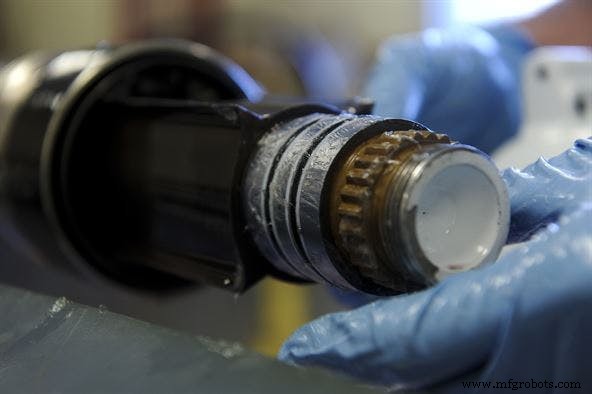
Piston pumps are a bit more complex and can achieve much higher levels of pressure than either vane or gear pumps. For low pressures around 500 psi and temperatures up to 158°F, the viscosity should be around 15 to 22. For medium to high pressures (around 4,250 psi), the viscosity is highly dependent on temperature as was the case with vane motors.
Summary
Unless a gear pump is being used in a very flammable environment, either petroleum-based or synthetic fluids should work well. The viscosity of fluid — which is one of the most important factors involved with selecting a hydraulic fluid — is heavily dependent on both temperature and pressure, with low-temperature working conditions requiring a lower-viscosity fluid. In addition, the fluid needs to be chemically compatible with the seals used in the pump; this is typically a problem related to the use of synthetic fluids.
MAC Hydraulics
MAC Hydraulics offers customized maintenance plans to meet your preventative maintenance needs and goals, and this includes helping you make sure that the most appropriate hydraulic fluid is being used in your systems. We also offer 24-hour emergency repair services and our service trucks are outfitted with the equipment needed to diagnose, troubleshoot, and repair your hydraulic systems. Contact us today to find out how we can help your hydraulic systems achieve peak performance!
Equipment Maintenance and Repair
- Understanding Hydraulic Pump Types and Their Operating Principles
- Hydraulic System Maintenance: Essential Hose Care Tips for Heavy Equipment
- Advanced Hydraulic Fluid Filtration: Ensuring Peak Performance and Reliability
- Essential Roles & Key Traits of Hydraulic Fluid for Optimal System Performance
- Ensuring Hydraulic Fluid Purity: Key to Performance & Longevity
- Preventing Hydraulic Fluid Leaks: Expert Strategies for Reliability and Cost Savings
- Avoiding Common Hydraulic Equipment Mistakes: A Guide to Cost‑Effective Maintenance
- Mastering Hydraulic Fluid Cleanliness: Proven Strategies to Eliminate Contamination
- Why Hydraulic Fluids Are Essential in Modern Machinery
- Key Roles of Hydraulic Fluids: Ensuring Efficient Operation & Preventing Failure