



Should You Repair or Replace Old Servo Drives? A Practical Guide
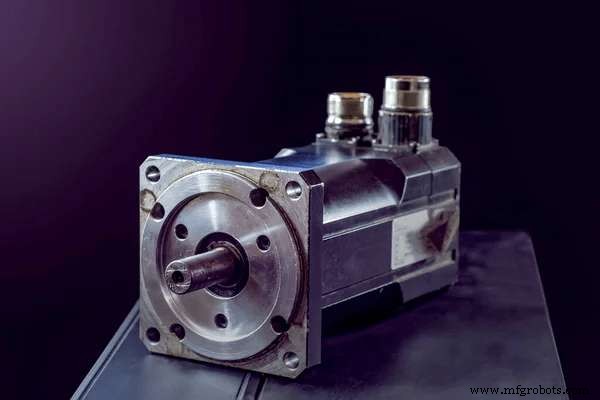
Servo drive failures rarely arrive at a convenient moment. One axis glitches, the line slows, operators perform two resets, and then the drive fails for good.
So the question comes: should you repair the aging servo drive or replace it and move on?
In many plants, repairing first is the sensible choice when feasible. It restores stable production with minimal variables and gives you breathing room to plan a larger upgrade on schedule.
Why Old Servo Drives Still Matter
Even older servo drives can continue to perform for years, provided the machine is robust and the process remains consistent. The drive may be aging, but the system still fits the job.
Plant teams often keep legacy motion systems in place because:
- The machine is paid off and still productive
- The motion tuning is stable and well understood
- A change triggers more testing, validation, and downtime
- A full retrofit competes with other capital priorities
When the equipment meets output and quality targets, repair is a practical way to extend its life.
When Servo Drive Repair Makes Sense
Repair is a strong option when the failure is isolated and the platform remains supported through parts, testing, and bench capability.
Repair is often worth it when:
- The failure is tied to common wear items such as capacitors, power components, fans, or connectors
- The drive faults are consistent and repeatable
- The motor and feedback devices are in good shape
- The rest of the control system is stable
- A replacement drive is hard to source quickly
A successful repair keeps the motion behavior familiar—same parameters, same wiring, same mechanical response—reducing the chance of chasing new issues after a swap.
When Planning a Retrofit or Upgrade is the Smarter Call
In some scenarios, a longer‑term change is warranted, even if a repair is technically possible.
Upgrade planning rises to the top when:
- The drive platform is no longer serviceable due to parts limits
- Multiple drives fail in the same system within a short window
- The machine needs new capabilities such as improved safety, networking, or diagnostics
- The cost of downtime and repeat failures climbs
- Documentation is thin and the system is hard to support
In these cases, repair can still serve as a bridge. It restores operation and creates a runway for a planned retrofit.
A Quick Decision Checklist for Plant Leaders
These questions help teams decide swiftly:
- What is the true downtime cost for this machine or cell?
- Is the issue likely a single drive fault or a broader system problem?
- How long will a replacement take to procure and commission?
- What additional work comes with replacement (tuning, wiring, controls changes)?
- Is there an upcoming shutdown window that fits a retrofit plan?
If repair restores operation quickly and reliably, it is usually the best move in the short term.
Key Takeaways
- Repair is often the best first option when an old servo drive remains serviceable.
- A repaired drive keeps the machine’s motion behavior consistent and reduces restart risk.
- Replacement introduces extra variables such as tuning, compatibility, and commissioning time.
- Retrofit planning makes sense when failures repeat or parts support fades.
- A clear checklist helps teams choose repair now and plan upgrades with less pressure.
Call ACS Industrial for Repairs and Service for Your Servo Drives!
Keeping old servo drives and other industrial electronics running can be challenging, but you don’t have to do it alone. At ACS Industrial Services, we specialize in preventative maintenance and repair for industrial electronic equipment.
With over 20 years of experience, ACS is a leading industrial repair service provider when things break. We repair many different components across various makes and models. We provide a rapid turnaround time—most repairs are back in your hands within 7‑15 business days, and our Rush Repair Service typically ships in just 3‑5 business days.
Contact us for a FREE evaluation and a no‑obligation quote, or call (800) 605‑6419.
Equipment Maintenance and Repair
- Professional Fanuc Touch Screen Monitor Repair Services
- HDB São Tomé Elevates Guest Satisfaction with eMaint Maintenance Solutions
- Building a Culture That Guarantees CMMS Success
- Understanding SCADA: The Backbone of Industrial Automation
- Why a Maintenance Work Order System Is Essential for Your Business
- New Smyrna Beach Utilities Dept. Adopts eMaint for Fleet Management
- Argonne National Laboratory Innovates Clean Energy Solutions with eMaint
- Maintenance Workers See Pay Raises Rise to 2.9% in 2006, Nearing the 3% Benchmark
- Building Resilience: Leveraging CMMS for Remote Work, Health & Safety, and Operational Agility
- Impact of Supply Chain Disruptions on Electronic Repair Services