



Why the 'Ja, maar' Mindset Hinders Effective Maintenance Planning
While working in the Netherlands this April, I witnessed a plant’s use of the Dutch phrase "Ja, maar"—"Yes, but…"—which illustrates a key obstacle to successful maintenance planning. Many facilities give planners a broad array of tasks that, although helpful, are not truly planning activities, leading to the "Yes, but" trap.
What is planning? Planning creates initial work orders, refines them with feedback, and aligns weekly crew labor hours with realistic task estimates. This structured approach dramatically boosts productivity by ensuring crews focus on the right jobs at the right time.
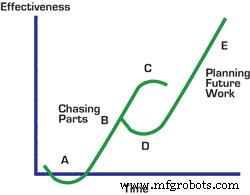
Figure 1. When used correctly, planners enhance effectiveness over time.
The real challenge is allowing planners the freedom to plan. When a skilled craftsperson is moved to a planner role, the workforce initially loses effectiveness (Area A). The new planner quickly masters the CMMS, procurement, and inventory systems, enabling crews to resolve in‑progress issues faster—an activity I call Chasing Parts (Area C). However, this reactive work has limits and diverts focus from proactive planning.
True value emerges when planners analyze past maintenance on specific equipment to anticipate and prevent recurring problems (Area E). This forward‑looking activity—"Planning Future Work"—requires dedicated time to document feedback, refine job plans, and schedule upcoming tasks.
Other assignments—substituting supervisors, joining root‑cause teams, researching equipment upgrades, supervising contractors, or drafting follow‑up requests—can improve maintenance but should not occupy planners’ primary time. When planners are pulled into these tasks, they struggle to dedicate resources to proactive planning, causing a temporary dip in overall effectiveness (Area D).
Leadership must decide whether to prioritize planning or allocate these ancillary duties to other staff. Without dedicated planners focused on future work, a plant cannot reach higher performance levels.
Doc Palmer, author of the Maintenance Planning and Scheduling Handbook, is a CMRP with nearly 25 years of industry experience. From 1990 to 1994 he overhauled a major electric utility’s maintenance planning organization, a success that led to company‑wide adoption across all crafts and stations.
Equipment Maintenance and Repair
- How MES Software Can Revolutionize Production Planning for Your 3D Printing Service
- Revolutionizing Additive Manufacturing: How MES & Workflow Software Optimize Production Planning
- Unlocking Synergy: How Combined Planning, Scheduling, and Condition‑Based Maintenance Multiply Benefits
- Optimizing Span of Control and Planning for Maintenance Teams
- Can All Maintenance Work Be Planned? A Proven Approach to Efficiency
- Why Knowledge of MES Matters: Avoid Costly Pitfalls in Smart Manufacturing
- Is Your Industrial Power Supply Worth Repairing?
- Strategic Maintenance Planning: Optimize Work Orders for Safety & Cost Savings
- Planning Board Module – Efficient Scheduling for Unscheduled Work Orders
- Why Every Business Needs a Robust Contingency Plan