



How MES Software Can Revolutionize Production Planning for Your 3D Printing Service
Operating a 3D printing service demands a precise balance of skilled labor, materials, and time‑critical workflows. As product complexity and customer expectations grow, efficient planning, control, and scheduling become critical to staying competitive. This article explores the realities of production planning in additive manufacturing and highlights how MES (Manufacturing Execution System) solutions can streamline operations, boost productivity, and ensure on‑time delivery. Production planning is your business’s operational roadmap. It clarifies objectives, timelines, and resource allocation, enabling you to navigate complex build schedules and shifting priorities with confidence. Key stages covered by a robust plan include: Effective planning delivers: Yet many service providers struggle to achieve these benefits due to common challenges at the planning stage. Below are the obstacles that can derail even the best‑intentioned planning efforts. Without real‑time visibility into your true capacity, you risk over‑committing or underutilising resources, leading to flawed forecasts. Read also: 5 Ways Real‑Time Production Visibility Advances Your AM Operations Unexpected downtime or new orders can force you to reshuffle priorities quickly. Manual tools like spreadsheets, Trello boards, or whiteboards lack the agility required for fast decision‑making. Managing diverse orders—different materials, technologies, and customer specifications—demands efficient grouping and scheduling. Paper‑based or disconnected systems hinder this, limiting real‑time coordination. Printed job sheets are prone to loss and delay. They provide no visibility into work‑in‑progress unless someone is physically on the shop floor. Outsourcing post‑processing or specialized builds often relies on phone calls, emails, and spreadsheets, creating bottlenecks and data silos that impede timely decision‑making. Paper‑based quality checks are hard to audit, store, and analyze, increasing the risk of errors and non‑compliance with industry standards. When inefficiencies accumulate, late deliveries erode customer trust and can drive business to competitors. Automation is key to reducing these risks. Many businesses still rely on legacy tools that can’t keep pace with modern additive manufacturing demands. Investing in an MES solution tailored to 3D printing transforms the workflow. MES software offers four core advantages: Let’s examine how specific MES functions drive these benefits. MES grants full control over scheduling by visualising real‑time machine availability. Managers can assign jobs based on machine type, material, and priority, then drag‑and‑drop builds onto a calendar‑style Gantt chart. Disconnected, paper‑based processes create a visibility gap that MES closes. Gantt charts display: With clear timelines, teams can prioritise tasks, meet deadlines, and keep customers informed. Integrated data streams capture: Analyzing this data uncovers bottlenecks and optimises throughput. MES automates job routing to external partners, enabling instant cost comparison and data sharing. This eliminates the lag of manual emails and reduces human error. Digital quality records replace paper logs, ensuring accurate, searchable data for audits and compliance. Consistent entry via devices speeds up the capture process. Digitising scheduling and control brings higher productivity and on‑time delivery, reinforcing customer satisfaction and fostering sustainable growth. Learn more about production management software for 3D printing and additive manufacturing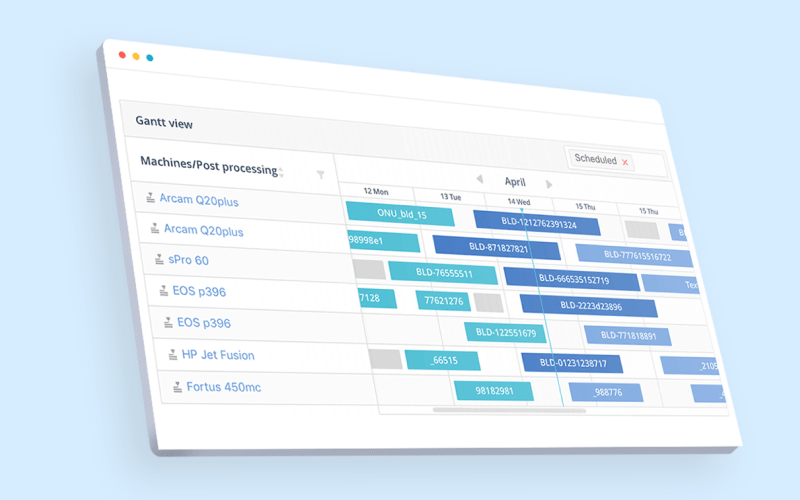
Why Production Planning Matters for Your 3D Printing Business
The 7 Most Common Challenges in 3D Printing Production Planning
1. Inaccurate Capacity Understanding
2. Rapidly Changing Priorities
3. Complex Build Preparation
4. Manual Job Tracking
5. Inefficient Partner Communication
6. Quality and Compliance Gaps
7. Missed Delivery Deadlines
Addressing These Challenges with the Right Technology
How MES Software Enhances Production Planning for 3D Printing Businesses
1. Streamlined Scheduling & Capacity Management
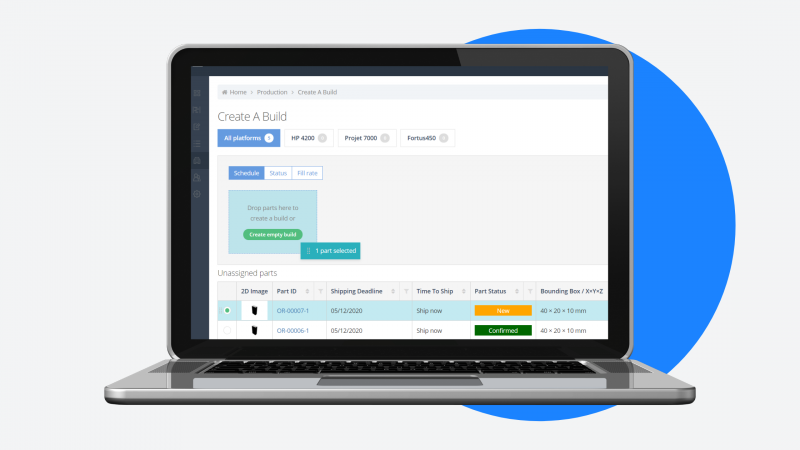
2. Enhanced Visibility Across the Production Pipeline
3. Real‑Time Machine Monitoring
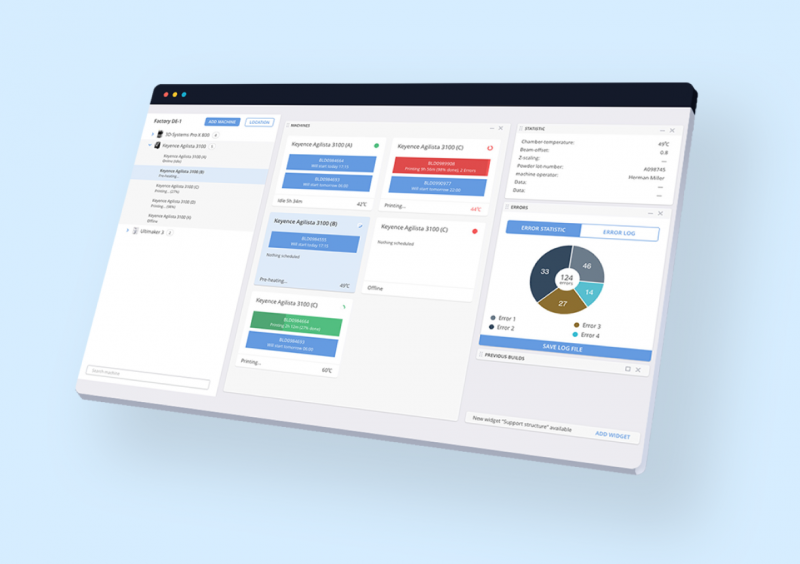
4. Seamless Partner Integration
5. Robust Quality Management
Elevating Production Planning with MES
3D printing
- Revolutionizing Additive Manufacturing: How MES & Workflow Software Optimize Production Planning
- How a CNC Router Can Transform Your Business Operations
- Mastering 3‑D Print Orientation: Tips for Surface Finish, Strength, and Support Efficiency
- How Bright Bars Drive Efficiency and Profitability in the Industrial Sector
- How Employee Scheduling Drives Business Growth
- How CNC Machines Can Drive Business Growth and Boost Efficiency
- Unlock Manufacturing Growth with Outsourced Recruitment Services
- Unlock Your Business Potential with Our Premium Custom Machining Services
- Top 5 Manufacturing Automation Software for Business Growth
- Manufacturing Software Explained: Boost Efficiency and Drive Business Growth