



Why an Additive Manufacturing Execution System Is a Game‑Changer for Rapid Prototyping
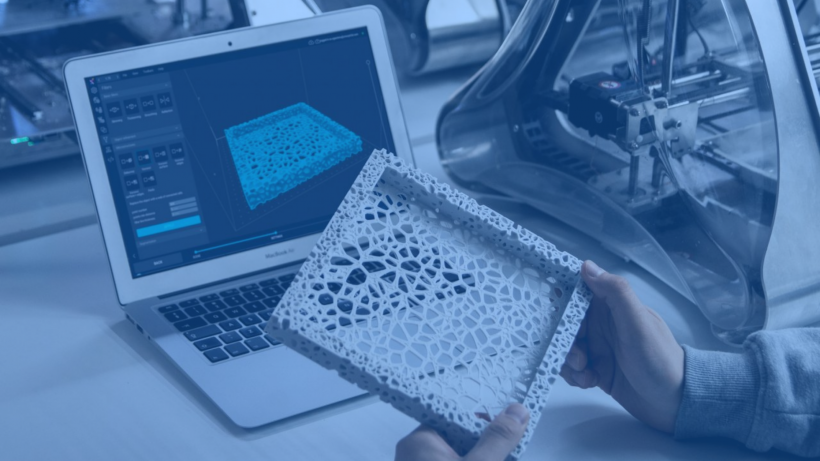
In today’s fast‑moving markets, organisations rely on cutting‑edge technology to stay ahead. Rapid prototyping has long been the quickest way to validate new ideas, and a well‑executed prototype pipeline can shave weeks—or months—from a product’s journey to market.
As the manager of your RP department, your mission is clear: deliver prototypes to design teams with speed and precision. The faster a prototype arrives, the quicker your organisation can pivot, refine, and finally launch a product that beats the competition.
Reducing cycle time at the development stage translates directly into a competitive edge—new products reach customers faster, and your bottom line sees a measurable uplift.
Yet many RP teams struggle to meet these ambitions because their workflows remain largely manual and fragmented.
Common Rapid Prototyping Workflow Challenges
Across the industry, RP departments face a handful of recurring bottlenecks:
- Unstructured request intake. Engineers email CAD files and notes, creating a chaotic backlog that project managers must sift through.
- Missing or incorrect information. File types, material selections, or dimensional constraints are often omitted, forcing costly back‑and‑forth communication.
- No real‑time status updates. Designers and engineers wait hours for confirmation, eroding confidence in the RP process.
- Limited visibility for operators. Production teams receive a flood of unfiltered requests, making prioritisation a manual nightmare.
These pain points yield a manual, inefficient workflow that stifles the adoption of AM technology across the organisation.
How Additive MES Solves These Pain Points
Additive Manufacturing Execution System (MES) software was built to address exactly these inefficiencies. Below, we outline the core capabilities and the tangible benefits they deliver to your RP department.
1. Streamlined Request Management
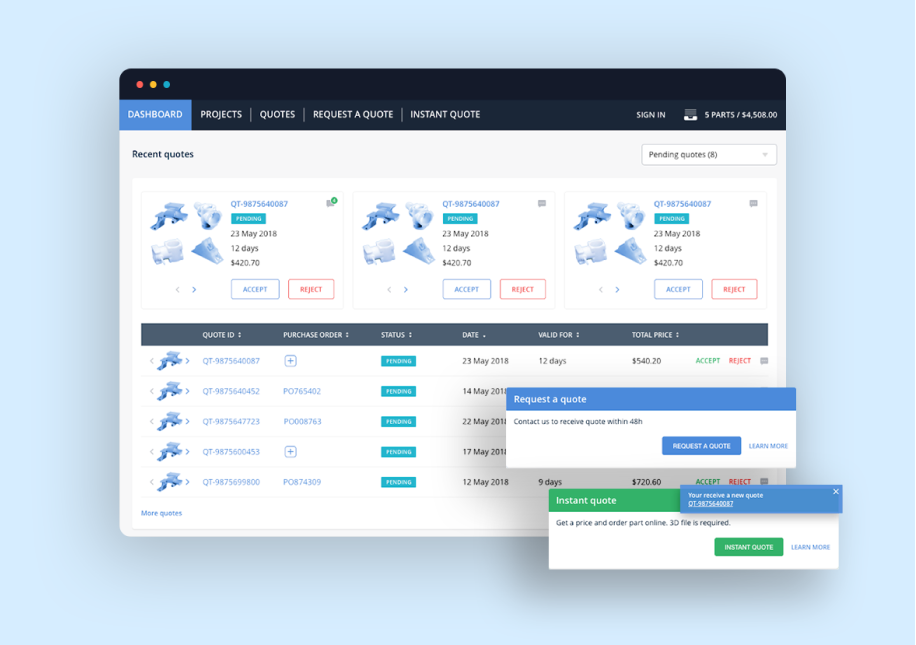
A centralised request portal, coupled with an instant pricing engine, automates the entire submission process. Users can only upload approved CAD formats, technologies, and materials—ensuring every request meets your department’s standards before it even enters the queue.
For the end‑user, this translates to a smoother experience and reduced email clutter. Project managers benefit from a clear, audit‑ready trail of all submissions.
Engineers gain a personal dashboard that displays real‑time status updates, fostering confidence in the RP pipeline.
Related: Why a Scalable Additive Manufacturing Workflow Starts with the Right Order Management Process
2. Enhanced Communication & Education
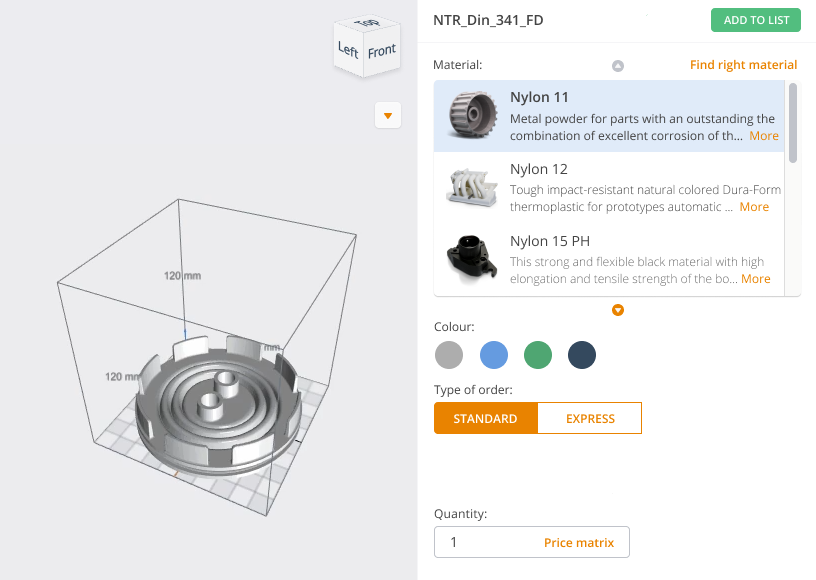
AM adoption varies across organisations. A well‑described ordering portal equips users with the knowledge they need—materials, technologies, and design guidelines—bridging the gap between technical requirements and user expectations.
3. Robust Project Management
Beyond simple queueing, Additive MES offers advanced project tracking. Filter by delivery deadline, prioritise urgent parts, and monitor progress from a single interface. Integrated messaging tools eliminate siloed communications, ensuring everyone stays aligned.
4. Seamless Integration with Outsourcing Partners
Many RP workflows involve post‑processing or specialised tasks outsourced to partners. Additive MES incorporates these partners into the platform, digitising job routing and eliminating manual hand‑offs. A single click routes a project, along with all requirements and deadlines, to the chosen partner.
Now Is the Time to Invest in MES for Rapid Prototyping
If routine, manual submissions dominate your RP cycle and users complain of long lead times, the signal is clear: it’s time to rethink your workflow.
By automating order management, centralising communications, and delivering powerful project tools, Additive MES transforms a fragmented process into a high‑velocity, reliable pipeline.
In the long run, a streamlined prototyping workflow accelerates product development, shortens time‑to‑market, and drives revenue growth.
Transform Your Rapid Prototyping Process with AMFG’s MES Solutions
3D printing
- Why Automating Post-Production Planning Boosts Efficiency in Additive Manufacturing
- Building a Strong Business Case for MES in Additive Manufacturing
- Why an Additive Manufacturing Execution System Is Essential for Spare Parts Production
- Four Critical Questions Facing Additive Manufacturing in 2019
- Rapid Prototyping for Product Development: A Practical Guide
- Practical Design Strategies for Additive Manufacturing and Rapid Prototyping
- Unlocking Long-Term Value: Secondary Business Benefits of Additive Manufacturing
- Subtractive vs Additive: Choosing the Right Rapid Prototyping Method
- Why 3D Printing Is Revolutionizing Modern Manufacturing
- Scaling Additive Manufacturing from Prototyping to Production: Unlocking Design Flexibility and Cost Savings