



Fully Automate Meter Readings with Raspberry Pi & Fiix – A Self‑Contained, Cost‑Effective Solution
Modern asset management demands real‑time data. At Labs we’ve delivered powerful automated meter‑reading tools, but adding a dedicated computer to every device drives costs and complexity. The Raspberry Pi offers a compact, low‑power alternative that keeps the system self‑contained and scalable.
Why the Raspberry Pi?
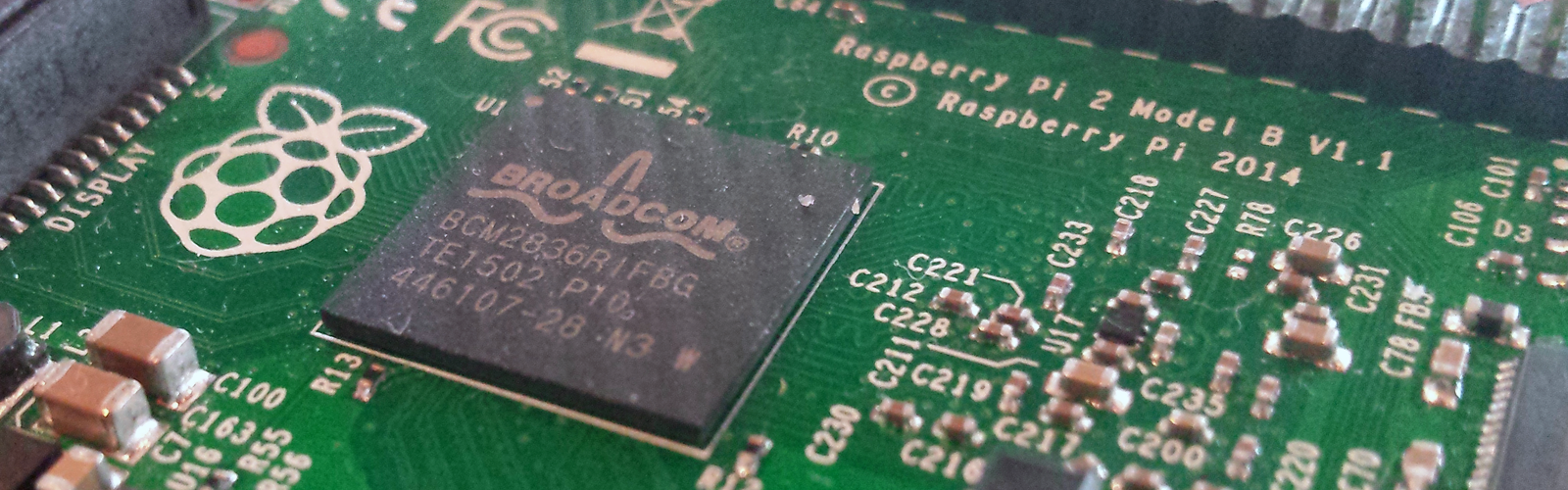
The Raspberry Pi is a full‑featured computer the size of a credit card, powered via a single micro‑USB cable. It connects to the internet over Ethernet or a USB Wi‑Fi adapter, and its GPIO pins provide direct hardware control. In this setup, the Pi replaces both the laptop and the microcontroller, allowing sensor data to be collected, processed, and sent to Fiix without external hardware.
All‑in‑One Data Pipeline
Meter readings are captured by the Pi, parsed by lightweight Python mini‑scripts tailored to each sensor, and formatted into spreadsheets that the Labs Automated Meter Reading File Handler forwards to Fiix’s CMMS. This architecture supports multi‑sensor equipment—each sensor has its own script, and the Pi can run all of them concurrently.
Complete Automation, Zero Manual Logging
Traditional systems require technicians to manually record dials and upload CSVs, defeating automation’s purpose. With the Pi‑based solution, data flows from the sensor to Fiix in real time, eliminating human intervention. Technicians receive instant alerts for anomalies, and maintenance teams can access a full history of equipment changes on demand.
Developer Friendly, but Not Boilerplate
While the core handler remains unchanged, deploying the Pi stack requires some technical setup—installing the OS, Python, and necessary libraries. We provide four sample scripts (temperature, photocell, potentiometer, and a combined example) to illustrate the structure and output format. Detailed documentation accompanies the project, enabling developers to adapt the scripts for any sensor brand or model.
Once the handler is in place, the only work left is writing the sensor scripts. This minimal overhead lets teams launch fully automated meter‑reading systems quickly, freeing resources for higher‑value maintenance tasks.
Ready to harness the power of Raspberry Pi and Fiix for your facilities? Explore the full project on our Labs page and start transforming maintenance today.
Equipment Maintenance and Repair
- Build a Remote Temperature Sensor with Raspberry Pi and Python – Step‑by‑Step Guide
- Using an MCP3008 ADC to Read Analog Sensors with Raspberry Pi
- Integrating the Acconeer A111 Pulsed Radar with a Raspberry Pi: A Practical Guide
- Integrating Microsoft Kinect with Raspberry Pi for Real‑Time Human Detection on the Sonbi Robot
- How a CMMS Boosts Technician Productivity in Oil & Gas Operations
- Master Fiix CMMS: 7 Expert Tips for Rapid Implementation and Efficient Asset Management
- Fully Automated Enterprises: The Future of Business—How It Looks
- The Four Pillars of a Fully Automated Enterprise: A Blueprint for Success
- Raspberry Pi: Why Its Compact Power Makes It a Top Choice
- 10 RoboDK & Raspberry Pi Projects for Innovative Robotics