



Creating Effective Maintenance Work Orders: A Complete Guide
Not enough data to make informed decisions
A robust CMMS can lower maintenance spend, extend asset life, boost productivity, and slash downtime. Yet many firms miss these gains because of poor data quality. While the system excels at recording work orders, the insights it can deliver are only as good as the information entered. Inaccurate or incomplete entries make it impossible to answer critical questions—repair versus replace, when to add preventive maintenance, or what failure modes dominate.
How to write a detailed work order
The most immediate way to unlock CMMS value is to improve the data quality in each work order. On the surface, work orders capture what was done and by whom, but a deeper analysis reveals patterns that can transform maintenance strategy.
-
- Priority – Not all work orders carry the same urgency. Recording priority helps planners and technicians focus on critical tasks first.
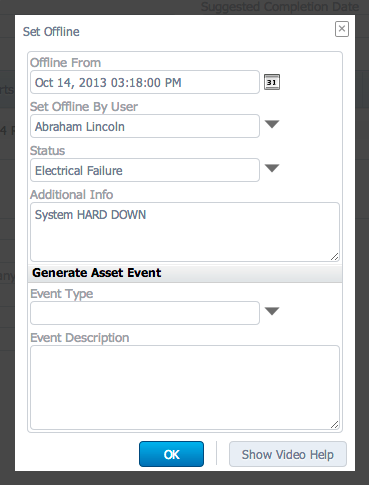
- Offline/Online tracker – This feature measures system downtime during a repair and records the reason. By logging each incident, you can calculate MTTR and MTBF, track availability, and evaluate the impact of new processes on reliability.
- Parts Used – Logging parts links their cost to specific equipment, aiding repair‑vs‑replace analyses. Real‑time inventory updates trigger reorder alerts, enabling optimized stock levels and reduced carrying costs.
- Hours spent – Documenting labor hours lets managers assess reactive versus proactive maintenance, verify staffing adequacy for emergencies, and justify headcount changes as systems age.
- Miscellaneous Costs – Recording items like emergency freight informs decisions about onsite stocking versus external sourcing.
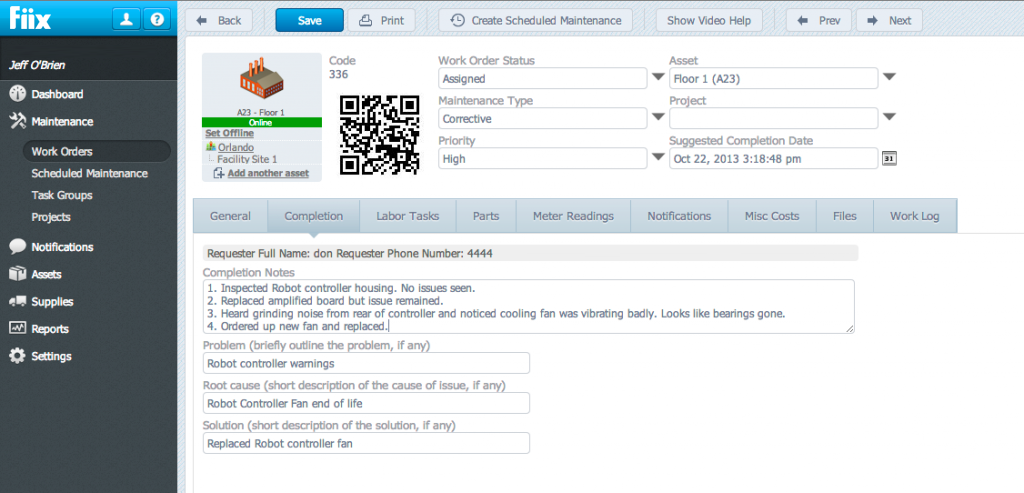
- Problem/Cause/Solution – Rather than generic “Pump not working – fixed it,” identify root causes. This data surfaces recurring failure modes, allowing preventive actions and easing future troubleshooting.
- Completion notes – Capture what happened and why. These notes support root‑cause analysis and provide a knowledge base for technicians facing similar issues.
Content is king
Accurate work‑order entry is the foundation of continuous improvement. By documenting every relevant detail, you can spot chronic equipment problems, identify unacceptable downtime levels, and implement solutions such as regular inspections or preventive maintenance. Encourage frontline technicians to fill every field and embed this practice into their job descriptions and daily responsibilities.
From small businesses to global corporations, Fiix provides the best solution for documenting work orders and offers a comprehensive maintenance management platform that streamlines operations and strengthens your bottom line.
Equipment Maintenance and Repair
- Mastering Maintenance Planning: From Reactive Fixes to Proactive Success
- Elevating Maintenance: Aligning Strategy, Building Trust, and Driving Business Value
- Mastering Maintenance Work Orders: A Complete Guide
- Why a Maintenance Work Order System Is Essential for Your Business
- Maximizing Asset Reliability with Advanced Maintenance Work Order Software
- Mastering Preventive Maintenance: A Step-by-Step Guide to Scheduling Work Orders
- Strategic Maintenance Planning: Optimize Work Orders for Safety & Cost Savings
- Streamline Work Order Execution with Proven Maintenance Checklists
- How to Create a Comprehensive Preventive Maintenance Plan
- How a Work Order Program Boosts Efficiency and Profitability