



What Influences the Cost of Custom Cardboard Boxes — A Complete Guide
When I first needed custom cardboard boxes for my business, I expected a simple, affordable price. The quote I received felt like it was charging more for packaging than for the product itself. I dug into the numbers, learned how the costs are structured, and now I’m sharing that knowledge with you.
In this guide you’ll discover:
- How materials, labor, and production steps shape the final price
- The impact of order size and design complexity on cost
- Hidden fees that can surprise you
- Practical ways to estimate and reduce your packaging spend
By the end, you’ll understand the economics behind every box and be ready to make smarter purchasing decisions.
1. What Determines the Cost of a Cardboard Box?
Ordering a custom box seems straightforward—pick a size, choose a material, and get a price. Yet the final quote often exceeds expectations. Let’s break down the core factors that influence the cost.
Key Cost Drivers
- Material Type: Corrugated cardboard, with its double or triple layers, is stronger and more expensive than single‑layer board. Choosing the right level of protection is essential.
- Box Size: Larger dimensions use more material, directly raising the unit price. Even a one‑inch change can be significant in bulk orders.
- Order Quantity: Bulk orders spread setup costs across more units, reducing the per‑box price. Small batches usually incur higher per‑unit costs.
- Customization: Logos, finishes, or special shapes add production complexity and material costs. Simple, clean designs often deliver the same brand impact at a lower price.
- Manufacturing Complexity: Intricate folds, reinforced corners, or multi‑layer builds increase labor and tooling expenses.
- Shipping & Logistics: Heavier or oversized boxes raise freight costs. Factor in transport expenses when budgeting.
Why Prices Fluctuate
- Raw Material Costs: Paper pulp prices swing due to supply chain disruptions, tariffs, and weather events.
- Labor Costs: Skilled operators and quality control staff drive production expenses.
- Energy Consumption: Machine operation requires electricity or fuel; rising rates push costs higher.
- Supply Chain Disruptions: Shortages of specific board types can force price hikes or longer lead times.
Monitoring these variables and timing your orders can save you a substantial amount.
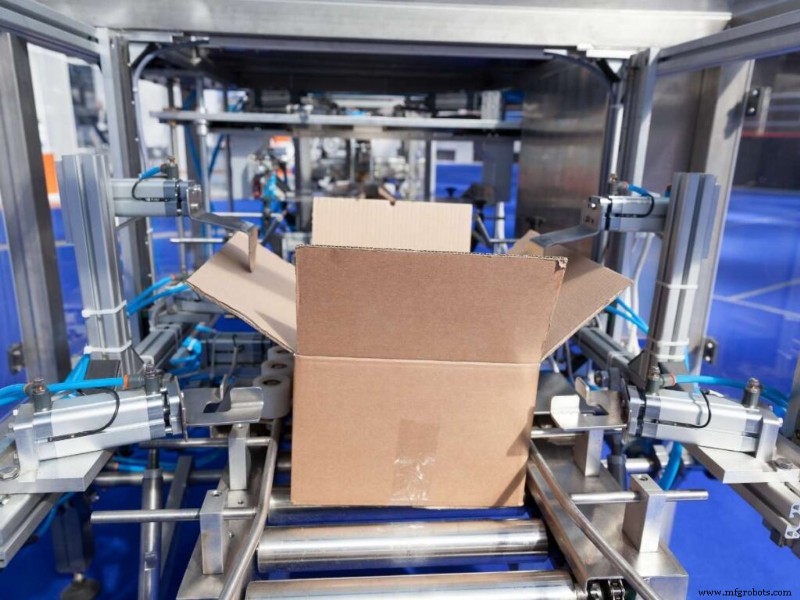
2. Key Cost Factors in Cardboard Box Manufacturing
While size is an obvious factor, several other elements significantly affect the final price.
Material Quality and Type
- Corrugated vs. Solid Board: Corrugated offers superior strength and cushioning, suitable for shipping heavy goods.
- Recycled vs. Virgin Paperboard: Recycled options are generally cheaper but may lack the durability of virgin board.
Design and Size Considerations
- Custom Shapes: Die‑cutting requires new molds, adding a setup fee.
- Reinforcements: Extra flaps or structural supports increase labor and material waste.
Order Volume
- Bulk Orders: Lower per‑unit costs due to economies of scale.
- Small Runs: Higher setup fees make each box pricier.
Production Speed and Labor
- Manual Production: Cost‑effective for tiny orders but slower.
- Automated Production: Efficient for large volumes but incurs higher upfront equipment costs.
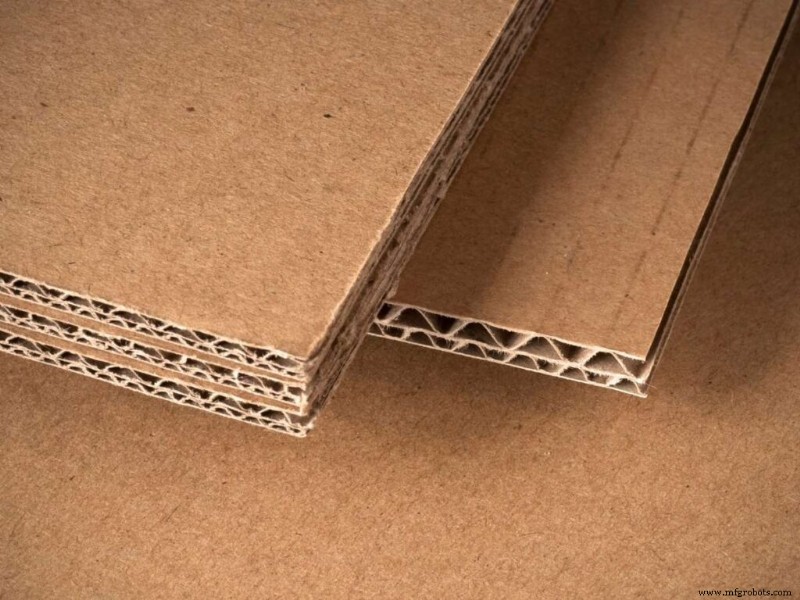
3. Raw Materials and Their Impact on Cost
Types of Cardboard Materials
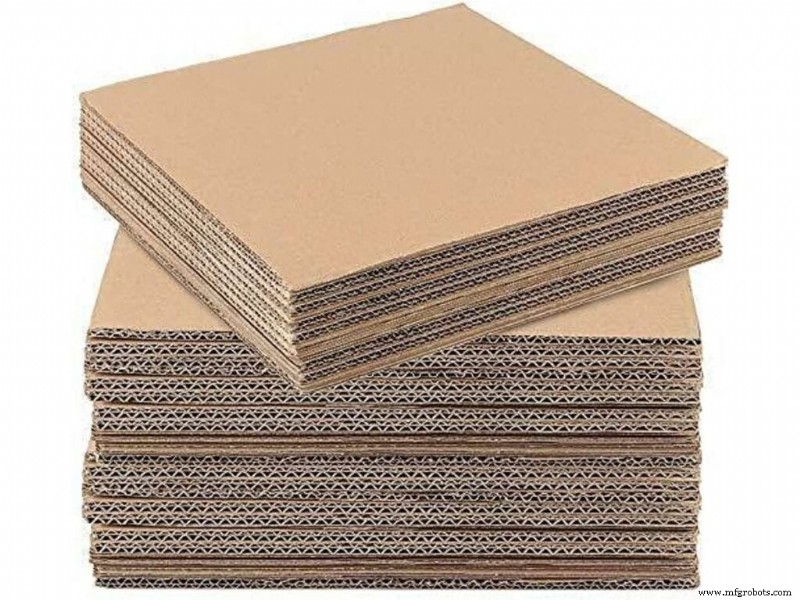
- Single‑Wall, Double‑Wall, Triple‑Wall Corrugation
- Single‑wall: cost‑effective for lightweight items.
- Double‑wall: offers extra protection at a moderate premium.
- Triple‑wall: best for heavy or industrial products; significantly higher price.
- Kraft vs. White Cardboard
- Kraft: unbleached, eco‑friendly, and economical.
- White: bleached for a clean look; ideal for premium branding.
Sourcing and Supply Chain Costs
- Local vs. International Suppliers
- Local sourcing reduces shipping and customs fees.
- International suppliers may offer lower unit prices but add import duties and longer lead times.
- Price Volatility
- Paperboard prices can spike due to demand or environmental regulations.
- Staying informed on market trends helps time purchases.
4. Manufacturing Process and Cost Breakdown
Machine and Equipment Costs
- Die‑Cutting Machines: Standard dies are inexpensive; custom molds add significant setup fees.
- Corrugators and Laminators: Longer run times for thicker boards increase energy consumption.
- Printing Equipment: Multi‑color lithography requires higher setup costs compared to flexographic or digital printing.
- Folding & Gluing Machines: Automation boosts speed but raises capital costs.
Labor and Production Speed
- Manual vs. Automated: Small runs favor manual; large runs benefit from automation.
- Skilled Labor: Quality control and machine operation add to expenses.
- Rush Orders: Premium fees for expedited delivery.
Setup and Waste Costs
- Setup Fees: Calibration, plate installation, and die‑cut adjustments spread across units.
- Material Waste: Complex designs generate more scrap, which is factored into the price.
Energy and Facility Costs
- Electricity & Fuel: Power usage directly affects production cost.
- Storage Fees: Some manufacturers charge for warehousing bulk orders.
5. Printing, Coating, and Customization Costs
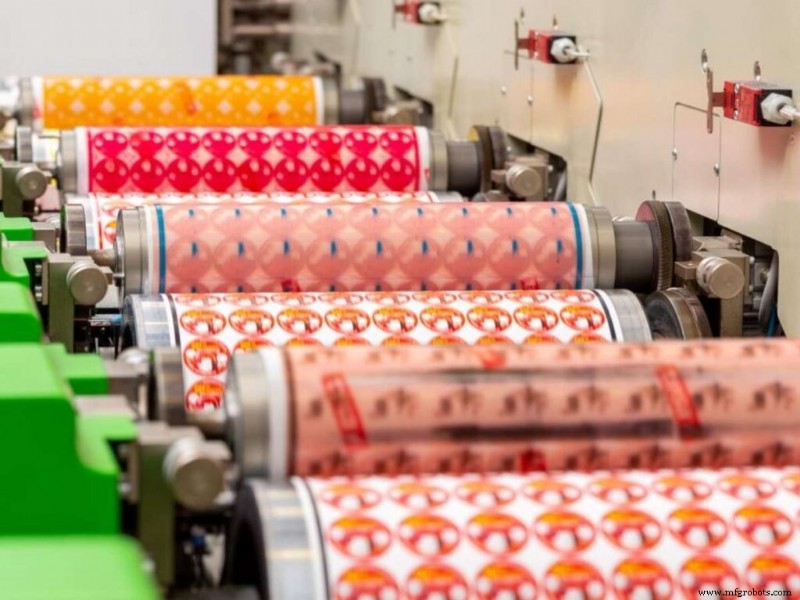
Printing Options
- Flexographic: Cost‑effective for large runs; best for simple logos.
- Lithographic: High‑quality images; higher setup fees.
- Digital: Ideal for small batches; no setup costs but higher per‑unit price.
- Screen Printing: Manual; expensive for intricate details.
Coatings and Finishes
- Matte/Gloss: Adds aesthetic appeal.
- UV Coating: Protects against fading and scratches.
- Lamination: Enhances durability in humid conditions.
- Spot Coating: Highlights specific areas; increases time and material usage.
Structural Customizations
- Embossing/Debossing: Requires custom molds.
- Foil Stamping: Adds metallic finish and extra cost.
- Die‑Cut Windows: Adds tooling and production time.
6. Additional Costs and Hidden Expenses
Setup and Tooling Fees
- Printing plates or digital calibration per design.
- Custom die‑cut molds can cost several hundred dollars.
- Redesigns trigger new setup charges.
Storage and Warehousing Fees
- Bulk orders may incur warehousing charges if you lack space.
- Delayed pickups can lead to extra fees.
- Split shipments may add handling costs.
Shipping and Freight Charges
- Dimensional weight pricing: larger boxes are costlier to ship.
- Fuel surcharges fluctuate with energy markets.
- International duties and taxes can significantly increase cost.
Quality Control and Rejects
- Defective units may require replacements.
- Precise color matching can incur additional ink costs.
7. Cost‑Saving Strategies in Cardboard Box Manufacturing
Optimize Box Design
- Right‑size boxes to match product dimensions.
- Use standard shapes to avoid die‑cut fees.
- Simplify structural features to reduce labor and waste.
Choose the Right Material
- Opt for single‑wall when extra protection isn’t required.
- Use recycled cardboard for cost savings and sustainability.
- Match material strength to product fragility.
Order in Bulk
- Bulk orders lower per‑unit costs.
- Avoid small batches to reduce setup fees.
- Consider split shipments if storage space is limited.
Negotiate with Suppliers
- Request volume discounts and long‑term commitments.
- Compare multiple quotes to capture the best value.
- Explore local suppliers to cut logistics costs.
Conclusion
Understanding the multifaceted cost drivers of custom cardboard boxes empowers you to make informed decisions, cut unnecessary expenses, and preserve product quality. With the right material choice, design strategy, and supplier partnership, you can achieve significant savings.
For reliable packaging solutions that balance cost and protection, Blue Elephant offers secure packaging and real‑time shipping updates to give you peace of mind.
Let’s optimize your packaging spend and ensure safe delivery—contact us today!
Explore More of Our Resources
Looking for additional equipment?
- Corrugated Box Maker Machine
- CNC Vacuum Press Machine
Still haven’t found what you need? Reach out—our team is available around the clock to assist you.
CNC Machine
- How 3D Printing Drives Sustainable Construction with Innovative Materials
- Versatile Three-in-One Laser Machine: Cutting, Cleaning, and Welding in One Tool
- Essential Buying Guide: 7 Key Tips for Choosing an ATC CNC Router
- Download Hurco CNC Manuals – Programming, Maintenance & Safety Guides (Free)
- BDE Manufacturing Technologies – Delivering Precision CNC Solutions for Industrial Excellence
- Mantech – UK’s Sole Official RECI Laser Dealer for CO₂ and Fibre Lasers
- 2024 Edge Bander Buying Guide: Find the Perfect Tool for Woodworking
- Premium 1325 4x8 CNC Wood Cutting Machine – Delivered to Mongolia
- 3D-Printed Buildings: From Concept to Construction—Fact or Reality?
- Free Siemens SINUMERIK CNC Webinars – Download or Stream Online