



Laser Welding Explained: Process, Benefits, and Selection Guide
1. What is Laser Welding?
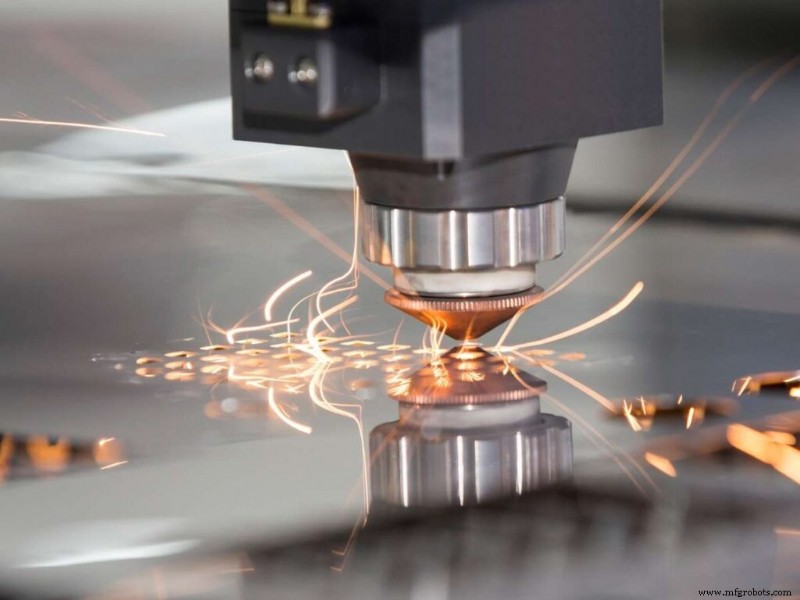
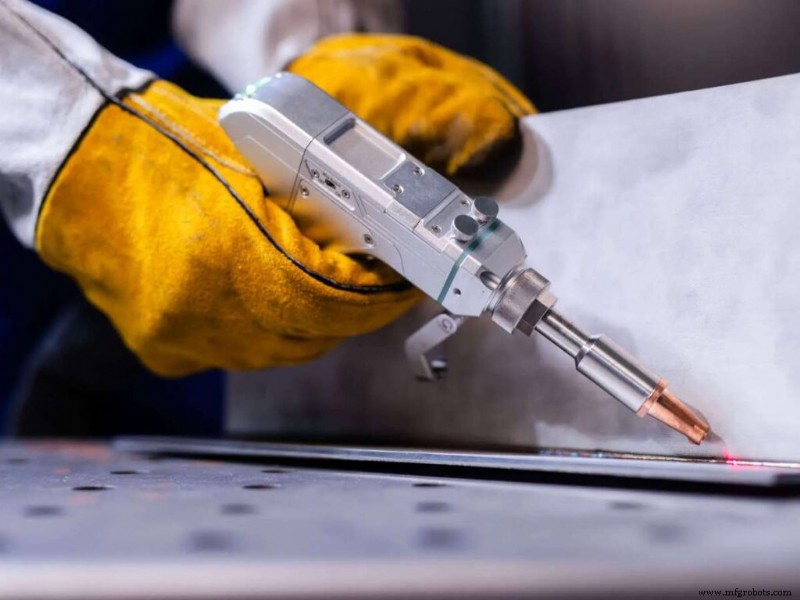
Laser welding uses a tightly focused beam of light to fuse metals or thermoplastics. The beam delivers energy directly to the joint, producing minimal heat input and distortion. Its precision, speed, and high‑quality welds make it the preferred method in automotive, aerospace, medical device, and electronics manufacturing.
2. How Laser Welding Works
The process begins with a laser source that generates a coherent, high‑intensity beam. When directed at the workpiece, the beam’s energy melts the material, allowing the pieces to fuse as the molten zone solidifies. Two primary techniques are employed:
- Conduction welding: The laser heats the surface, creating a shallow, wide weld suitable for aesthetic or low‑strength applications.
- Keyhole welding: The beam penetrates deep, forming a narrow, deep weld ideal for high‑strength, high‑penetration jobs.
Key parameters—beam power, focal position, material reflectivity, and welding speed—are adjusted to achieve consistent, defect‑free joints.
3. Types of Laser Welding Machines and Their Applications
CO₂ Laser Welders
CO₂ lasers generate infrared beams using a gas mixture. They excel at welding non‑metallic materials and certain metals but have a relatively large beam spot, which limits fine‑feature precision. Industries such as aerospace and automotive use them for thicker parts.
Fiber Laser Welders
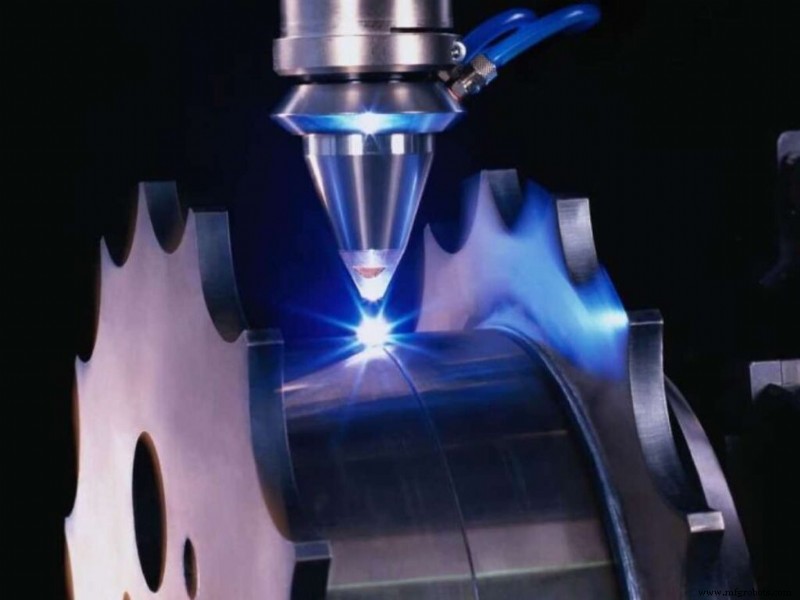
Fiber lasers amplify the beam through optical fibers, offering exceptional efficiency, low maintenance, and excellent absorption in metals. Their compactness and precision make them standard in medical device, automotive, and electronics production.
Nd:YAG Laser Welders
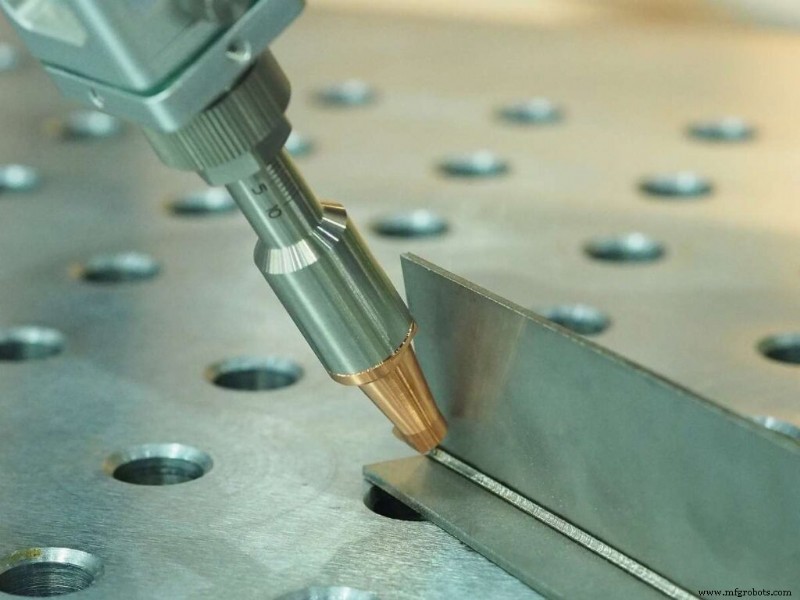
Neodymium‑doped yttrium aluminum garnet (Nd:YAG) lasers provide high peak power and pulsed operation, enabling welding of reflective metals such as aluminum and copper. They are favored when rapid, high‑energy pulses are required.
Diode Laser Welders
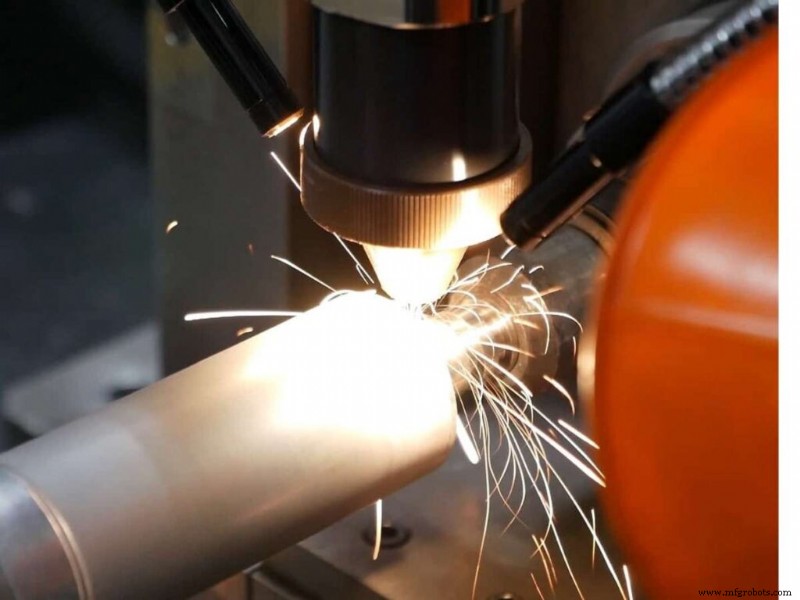
Compact and energy‑efficient, diode lasers are ideal for localized heating and micro‑welding. Automotive and electronics manufacturers use them to join delicate components with minimal heat‑affected zones.
4. Comparing Laser Welding to Other Welding Methods
Laser vs. MIG/TIG Welding
- Precision: Laser delivers a finer weld profile than MIG or TIG.
- Speed: Laser welding achieves higher throughput, reducing cycle time.
- Heat input: Lower heat input minimizes distortion and improves dimensional stability.
Laser vs. Resistance Welding
- Material versatility: Laser accommodates a broader range of thicknesses and alloys.
- Component size: Laser excels at micro‑welding and intricate details.
- Automation: Laser integrates seamlessly with CNC and robotic systems for large‑scale production.
Laser vs. Electron Beam Welding
- Vacuum requirement: Electron beam needs a vacuum chamber, increasing setup time and cost; laser operates in open air or with minimal shielding.
- Beam control: Laser beams are directed with mirrors and lenses, while electron beams rely on magnetic fields.
- Flexibility: Laser adapts to various production environments and part geometries.
5. Material Compatibility in Laser Welding
Best Materials for Laser Welding
- Stainless steel: Excellent energy absorption and widely used.
- Aluminum: Requires higher power due to reflectivity but yields clean, strong joints.
- Titanium: Favored in aerospace and medical sectors for its strength and corrosion resistance.
- Nickel alloys: Perform well under controlled parameters in high‑temperature applications.
Materials That Pose Challenges
- Copper and gold: High reflectivity demands high‑energy lasers and precise control.
- Plastics: Need careful wavelength selection and absorption layers to avoid melting or degradation.
6. Key Factors for Achieving High-Quality Laser Welds
Beam Focus
Accurate focusing distributes energy uniformly, preventing weak joints or spatter. Even slight misalignment can introduce defects, so regular focus checks are essential.
Welding Speed
Optimal speed balances penetration and heat input. Too fast can weaken the weld; too slow can cause overheating. Iterative tuning often yields the most reliable results.
Shielding Gas
Gases such as argon or helium shield the weld zone from oxidation and improve penetration. Proper gas flow reduces porosity and discoloration.
Power Settings
Matching power to material thickness prevents burn‑through while ensuring sufficient melt. Logging successful settings allows repeatability across batches.
7. Safety Considerations in Laser Welding
- Laser protection: Operators must wear certified laser safety glasses to prevent eye or skin injury.
- Enclosed workspaces: Proper enclosures contain the beam path and reduce scatter hazards.
- Ventilation: Exhaust systems capture fumes, maintaining air quality and protecting respiratory health.
- Operator training: Comprehensive training on machine controls, emergency stops, and maintenance ensures safe operation.
Conclusion
Laser welding offers unmatched precision, speed, and versatility. By understanding its principles, selecting the right machine, and adhering to best practices, manufacturers can elevate product quality and production efficiency.
Ready to make the switch? Contact Blue Elephant today and let us help you integrate laser welding into your production line.
Check Out These Additional Resources
- Laser Welding Machine
- CNC Vacuum Press Machine
Still haven’t found what you’re looking for? Reach out anytime—we’re available 24/7 to assist you.
CNC Machine
- 1630 ATC CNC Router with Integrated Drilling Head – High Precision & Efficiency
- Showcase of CNC Router Projects for International Clients
- MIG vs TIG Welding: Key Differences Explained for Better Choice
- Mastering SLA 3D Printing: Expert Design Tips & Best Practices
- Engineering Drawings: Overview & Essential Components
- Hi-M G1 Pro: Advanced Graphite Machining Center for Precision Engineering
- Understanding the Reset Button on a CNC Operator Panel: Function and Use
- Understanding CNC Program Blocks: A Comprehensive Guide
- Debunking CNC Finishing Tool Myths: Boosting Efficiency and Protecting Machines
- Mastering Titanium Machining: Expert Tips & Techniques