



Master the China CNC Machine Tool Fair: Your Ultimate Planning Guide
My first trip to the China CNC Machine Tool Fair was a chaotic scramble. I had questions, a checklist, yet I walked out feeling lost and missing critical opportunities. That scenario is all too familiar to newcomers: the fair is electrifying yet labyrinthine.
With more than a decade of hands‑on experience in the CNC sector—writing product reviews, collaborating with leading brands, and consulting for small workshops—I’ve traversed every hall and learned which booths truly deliver value. This guide distills those insights into a step‑by‑step playbook so you can transform a daunting event into a strategic advantage.
By the end, you’ll know how to compare machines, spot industry trends, and secure the right suppliers for your needs.
Let’s dive in.
1. Pre‑Event Planning
When I first mapped out a visit to the China CNC Machine Tool Fair (CCMT), the sheer scale of the venue was intimidating. The fair, held biennially at the New China International Exhibition Center (NCIEC) in Beijing, will run from April 21–26, 2025 with daily doors opening at 9:00 AM and closing at 5:00 PM.
CCMT attracts the world’s top machine makers, control system developers, automation suppliers, and service providers. Highlights include:
- CNC routers, milling and turning machines
- Laser cutters, EDM and grinding systems
- Control software and servo systems
It’s the premier venue to benchmark technology, test performance, and engage directly with product experts.
How to Register
There are two registration pathways:
- Visitor – online pre‑registration yields a QR code or badge for entry.
- Exhibitor – requires early application, booth layout, and company information.
Register on the official CCMT 2025 website (English version available). Early sign‑up grants access to the booth map, event schedule, and priority updates.
Who Should Attend?
- Machine dealers and distributors
- Repair technicians and service engineers
- Spare parts suppliers
- Equipment rental companies
- End‑users in furniture, mold, signage, and decorative manufacturing
Attendees will discover the latest product innovations, compare specifications side‑by‑side, and forge direct relationships with suppliers.
What to Bring
My first visit was a lesson in under‑preparation: I arrived with a notebook and ran out of business cards by day one. Here’s a checklist to keep you fully equipped:
- At least 100 business cards
- Printed product specifications or a clear list of machine requirements
- A concise set of targeted questions for each booth
Define your objectives: What problems must be solved? Which suppliers align with your strategic goals? Preparedness turns every minute into a productive conversation.
2. Practical Travel and Logistics Tips
Last year I watched a technician frantically search for a charger; his phone died midway, causing him to miss two crucial supplier calls. Detailed planning can prevent such mishaps.
Travel Tips for Visitors
International travelers should initiate visa applications 6–8 weeks in advance. Typical documents include:
- Business or trade invitation letter
- Hotel and flight reservations
- Valid passport
Key airports:
- Pudong International Airport (PVG) – preferred for international arrivals and closer to the venue.
- Hongqiao Airport (SHA) – primarily domestic traffic.
Where to Stay
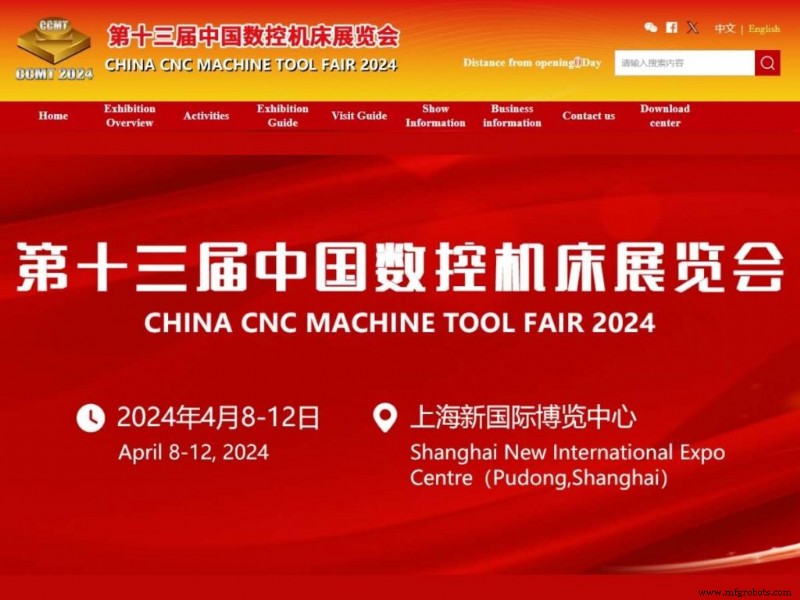
The fair will be hosted at the Shanghai New International Expo Centre (SNIEC) in Pudong, an area known for its business‑friendly environment and proximity to the exhibition. Recommended accommodations include:
- Kerry Hotel Pudong – upscale, adjacent to SNIEC.
- Jumeirah Himalayas Hotel – mid‑range business focus.
- Jinjiang Inn or Hanting Hotel – budget options.
Book through trusted platforms such as Booking.com, Trip.com, Agoda, or Expedia.
Choosing a Pudong hotel shortens travel to the venue; Puxi locations offer more nightlife but add 30–40 minutes by car or train.
Getting to the Fair
- Metro Line 7 – exit at Huamu Road Station and follow signage to SNIEC.
- Alternative: Didi rideshare or hotel shuttle services.
What to Pack
- Comfortable walking shoes
- Power bank for your phone
- Reusable tote for brochures and catalogs
- Reusable water bottle (exhibits can be dehydrating)
- Printed floor map and event schedule
These essentials keep you focused and ready for every opportunity.

3. Maximizing Your Expo Visit
Without a clear strategy, a trade show can feel like a maze. I once spent hours in the wrong hall, missing the machine I had come for. That’s why a well‑structured plan is essential.
Plan Your Booth Visits
- Product focus – routers, lathes, lasers, etc.
- Business goals – new suppliers, tech upgrades, pricing research.
Target 3–5 booths per hall to maintain focus and avoid redundant walking.
What to Look for in Machines
- Rigidity – a solid frame translates to precision.
- Spindle power – higher horsepower often means better performance.
- Controller brand – familiarity reduces the learning curve.
- Software – user‑friendly interfaces save training time.
During demos, assess:
- Cutting finish – clean edges indicate quality tooling.
- Detail quality – tight curves and corners reveal machining capability.
Take Notes and Photos
- Photos – capture clear images (ask permission first).
- Notes – record model numbers, key specs, and pricing.
- Contacts – jot down names, roles, and contact info.
4. Key Networking Strategies at the Fair
Deals often originate not in booths but over coffee, workshops, or lunch lines. The fair is as much about relationships as it is about technology.
Before the Event
Create a concise business pitch: your role, your company’s focus, and what you seek at the fair. Identify key brands and personnel to meet, and send a polite introductory message via email or WeChat if contact details are available. This proactive outreach saves time and signals professionalism.
During the Fair
Fast‑paced halls require focused questions:
- MOQ – minimum order quantity.
- Lead time – expected delivery window.
- After‑sales support – local service availability and training.
- Role clarity – indicate whether you’re buying for your own shop, distributing, or seeking technical support.
Exchange business cards, follow up with a handshake, and maintain a genuine connection.
After the Event
Follow up within 3–5 days while conversations are fresh. A brief, personalized email referencing your meeting, attached notes, and a call to next steps keeps the dialogue alive.
Sample Follow‑Up Email
Subject: Good to meet you at CCMT — [Your Name / Company]
Dear [Contact Name],
Thank you for the insightful discussion at CCMT. I’m particularly interested in the [machine/product] we explored, especially the [specific feature]. I’ve attached a photo from our meeting and a quick summary of my requirements.
Could you provide a revised quote, lead time, and any available service packages?
Looking forward to your reply.
Best regards,
[Your Full Name] – [Company] – [Phone / Email]
5. Opportunities for Dealers, Repairers, and Hobbyists
CCMT welcomes everyone connected to CNC – from buyers to maintenance pros to hobbyists. Each role finds unique value.
For Machine Dealers
- Compare full product ranges side‑by‑side.
- Discuss dealership terms – exclusivity, marketing support, inventory assistance.
- Assess after‑sales service quality.
For Repairers
- Engage with technical staff to learn about wiring, lubrication, and firmware.
- Request repair manuals and spare part catalogs.
- Inquire about parts sourcing and delivery times.
For Spare Parts Sellers
- Identify cross‑compatible parts and standard sizes.
- Negotiate MOQs and pricing tiers.
- Gauge market demand through buyer inquiries.
For Rental Companies
- Evaluate machine durability and ease of maintenance.
- Clarify warranty coverage and service response times.
- Seek training for technicians.
For Terminal Users
- Observe machine performance on your typical materials (MDF, acrylic, aluminum).
- Test usability – software simplicity and operator learning curve.
- Inspect sample finish quality.
6. Post‑Event Follow‑Up
Once the fair concludes, action is crucial. A timely follow‑up turns contacts into tangible leads.
Organize Leads
Enter all contacts into a spreadsheet or CRM (Excel, Google Sheets, HubSpot). Record:
- Company name
- Contact person
- Product interest
- Next step (pricing, sample, meeting)
Tag contacts by urgency: hot, warm, cold.
Compare Machines and Offers
Revisit your notes to evaluate:
- Pricing and hidden costs.
- Key features: table size, spindle speed, control system.
- Support: training, shipping speed, local service.
Reconnect with Suppliers
Reach out proactively to request updated quotes, catalogs, or manuals, and confirm logistics details.
Share Insights with Your Team
Hold a brief debrief: showcase photos, highlight key takeaways, and discuss how new solutions can benefit current operations.
7. Bonus Tips for Maximizing Your Visit
Small extras often yield the biggest gains.
Attend Live Demos and Technical Sessions
Watching a machine in action and participating in workshops reveals performance nuances that brochures cannot capture.
Bring Samples or Drawings
Showcase your material samples (MDF, acrylic, aluminum) and drawings to enable on‑spot test cuts, providing a realistic assessment of machine suitability.
Ask About Show‑Only Deals
Inquire about event discounts, complimentary add‑ons, or special financing options.
Visit Training and Software Booths
Even if you’re not purchasing software, explore updates, shortcuts, and support for G‑code or nesting to enhance your workflow.
Conclusion
My initial, chaotic visit taught me the value of meticulous preparation. Armed with a detailed plan, you’ll navigate CCMT with confidence, secure high‑quality machines, and forge lasting supplier relationships.
Need guidance tailoring this strategy to your specific needs? Contact us today – we’re ready to help.
Recommended Reads
Still unsure about the next steps? Reach out anytime – our team is available 24/7 to support you.
CNC Machine
- Blue Elephant CNC Nesting Machine for Furniture Production – Premium Quality & Competitive Pricing in India
- Fanuc G84 Rigid Peck Tapping Cycle – Expert Guide to Deep Hole Tapping
- Design Custom Homes with CNC Woodworking Machines: A Complete Guide
- Mastering Taper Threading in CNC: A Practical G32 Programming Guide
- Feed Rate vs. Cutting Speed: Key Differences for CNC Machining Success
- Enhancing CNC Machining Quality: The Critical Role of In-House Inspection Services
- Master CNC Block Search: Essential Guide for Programmers, Setters & Operators
- China’s Plastic Injection Molding: From Melt to Finished Parts
- Mastering Tight Tolerances: 6 Expert Tips for Precision Machining
- 304 vs 316 Stainless Steel: Key Differences and Similarities Explained