



How CNC Machining Works: The Ultimate Guide to Precision Manufacturing
Watching a CNC machine transform raw aluminum into a flawless component in minutes is a testament to the power of automation. This article demystifies CNC machining, outlining the process, key components, and industry applications, so you can confidently integrate this technology into your production line.
1. What Is CNC Machining?
CNC (Computer Numerical Control) machining automates the cutting, drilling, and shaping of materials using pre‑programmed software. Unlike manual methods, CNC delivers unmatched consistency, accuracy, and repeatability—essential for aerospace, automotive, medical, and industrial sectors.
For businesses aiming to reduce errors, cut operational costs, and maintain batch uniformity, CNC offers a reliable, scalable solution.
2. The CNC Workflow – Step‑by‑Step
Step 1: Design the Part (CAD)
Engineers create a detailed 2‑D or 3‑D model in CAD. This blueprint defines every dimension and shape. A precise CAD file is critical; even minor mistakes can lead to costly machining errors.
Step 2: Convert to CNC Code (CAM)
CAM software translates the CAD model into G‑code, the machine’s language. It specifies tool paths, speeds, and feeds, and organizes multiple operations such as drilling, milling, or turning.
Step 3: Machine Setup and Material Loading
Operators install cutting tools, secure the workpiece, calibrate tool offsets, and load the G‑code. Proper setup prevents scrap, protects the machine, and ensures safety.
Step 4: Execute Machining
The CNC machine follows the G‑code precisely, moving across multiple axes to shape the material. Variability is eliminated—each part is identical whether you produce ten or ten thousand.
Step 5: Inspect & Finish
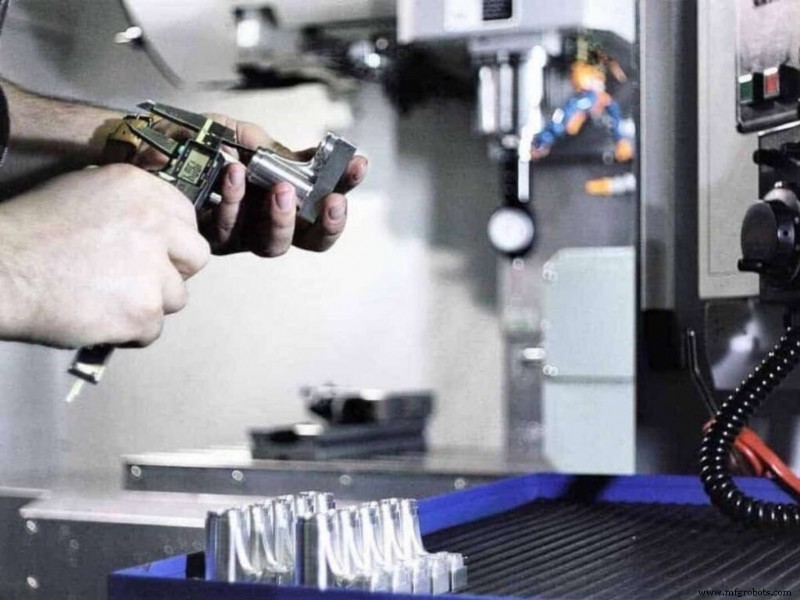
Post‑machining inspection uses calipers, micrometers, or CMMs to verify dimensions. If tolerances aren’t met, adjustments are made before the next run. Finishing steps—deburring, polishing, coating—enhance aesthetics and performance.
3. Core Components of a CNC Machine
- Control Unit: Interprets G‑code into precise movements.
- Frame & Bed: Provides a rigid, vibration‑free foundation.
- Spindle: Rotates at high speeds to cut material.
- Cutting Tools: Quality and sharpness dictate finish and material usage.
- Tool Changer: Enables rapid, automated tool swaps.
- Servo Motors: Deliver exact positioning.
- Worktable & Holders: Secure the part in place.
- Coolant System: Controls heat, prolonging tool life.
- Sensors & Feedback: Monitor tool wear, temperature, and alignment.
4. CNC Machine Types & Their Ideal Uses
- Milling Machines: Versatile for complex shapes in automotive and aerospace.
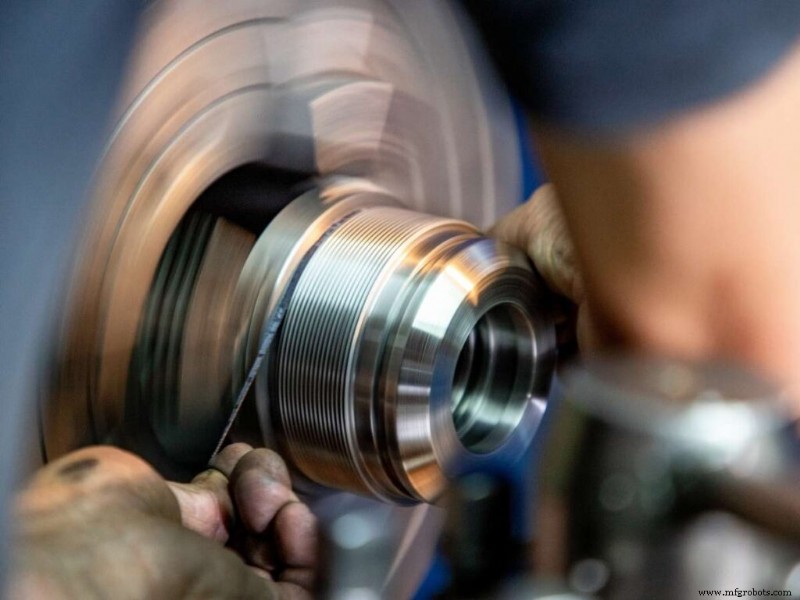
- Lathes: Perfect for cylindrical parts like shafts and bushings.
- Routers: Ideal for wood, plastics, and soft metals in furniture and signage.
- Plasma Cutters: Rapidly cut conductive metals in fabrication shops.
- Laser Cutters: Deliver high‑precision cuts and engravings for jewelry and custom signage.
- Waterjet Cutters: Cut heat‑sensitive materials without distortion.
- 5‑Axis Machines: Enable complex, multi‑directional machining for aerospace and medical parts.
- EDM: Electrically erodes hard metals for molds and tooling.
5. Industry Applications
Aerospace
CNC produces lightweight, high‑strength components—turbine blades, landing gear—meeting strict tolerances critical for safety and performance.
Automotive
From engine blocks to custom interiors, CNC ensures parts are identical and durable, accelerating production and enabling high‑performance variants.
Medical
Implements precise machining of titanium and stainless steel implants, prosthetics, and surgical tools—where even a millimeter can be life‑saving.
Electronics
Fabricates miniature components—heat sinks, PCB housings—at scales that manual methods can’t match.
6. Common Challenges & Practical Solutions
| Challenge | Impact | Solution |
|---|---|---|
| Inconsistent Tolerances | Off‑spec parts, rework | Regular maintenance, precise calibration, quality tools |
| Tool Wear/Breakage | Rough finishes, downtime | Use proper feed rates, coolant, and coatings |
| Programming Errors | Damaged parts, machine crashes | Code review, simulation, trusted CAM |
| Material Issues | Chipping, warping | Match speeds/feeds to material data |
| Machine Downtime | Production delays | Preventive maintenance, real‑time monitoring |
| Surface Finish Problems | Unsatisfactory aesthetics, functionality | Sharp tools, stable setup, optimized feeds |
7. Choosing the Right CNC Machine
Assess these factors to align with your production goals:
- Material Compatibility – Match machine capability to your raw materials.
- Size & Work Area – Ensure the machine fits your parts and shop layout.
- Precision Needs – Opt for advanced controls for micron‑level tolerances.
- Automation Features – Automatic tool changers and robotics reduce downtime.
- Software Integration – Seamless CAD/CAM compatibility speeds setup.
- Cost & ROI – Balance upfront price with long‑term maintenance and tooling.
Conclusion
CNC machining transforms raw material into precision parts—fast, consistent, and scalable. If you’re ready to upgrade your production, Blue Elephant offers globally trusted CNC solutions.
Contact us today to explore how CNC can elevate your manufacturing.
Explore More Resources
- How to Use a CNC Machine?
- What Are CNC Machines Used For?
Still have questions? Our experts are available 24/7 to guide you.
CNC Machine
- Precision CNC Steel Machining: Materials, Benefits & Surface Finish Options
- Fanuc G83 Peck Drilling Cycle – Deep Hole Drilling Guide
- GSK983M CNC Milling: Advanced G Code Features for Precision Drilling and Milling
- Laser Cutting Machines: Precision, Speed, and Their Impact on Modern Fabrication
- CNC Milling Example: G74 Scaling & G77 Subroutine Call
- Mastering Chamfer and Radius Programming with G01 Code
- Expert CNC Machining Services for Custom Parts
- Corner Engagement: Mastering Precision Milling for Superior Corner Quality
- Download Sinumerik CNC Control Manuals – Free & Official Guides
- Benefits of Using an Oscillating Cutter for Flexible Materials