



Die Cutting vs Laser Cutting: A Practical Guide to Choosing the Right Method
Choosing the right cutting technology can make or break your production budget. I’ve spent years comparing die cutting and laser cutting in real business scenarios, and I’ve learned which method delivers the best value for different projects.
By the end of this article you’ll know:
- When die cutting and laser cutting each excel
- Which method aligns with your volume, budget, and design needs
- Critical factors that influence the decision
1. What Is Die Cutting?
Die cutting is the industry’s go‑to solution for high‑volume, high‑precision production. A custom steel die punches or presses a shape out of materials such as paper, cardboard, plastic, metal, or even fabric.
How It Works
Think of a massive cookie cutter that can run continuously, producing thousands of identical parts with consistent edges and minimal waste.
Types of Die Cutting
- Flatbed Die Cutting – Ideal for thick or rigid materials, using a hydraulic press for short‑ to medium‑run jobs.
- Rotary Die Cutting – A cylindrical die spins at high speed, perfect for endless runs of flat sheets.
- Digital Die Cutting – No physical die needed; a computer‑controlled blade creates the cut, great for prototypes and small batches.
Common Applications
- Custom packaging and inserts
- Mass‑produced labels and stickers
- Point‑of‑sale signage and displays
- Industrial components such as gaskets and foam parts
Pros and Cons
- Pros
- Fast once the die is made
- Consistent quality across thousands of units
- Low per‑unit cost for high volume
- Versatile across many materials
- Cons
- High upfront die cost
- Limited flexibility—design changes require a new die
- Not cost‑effective for short runs
2. What Is Laser Cutting?
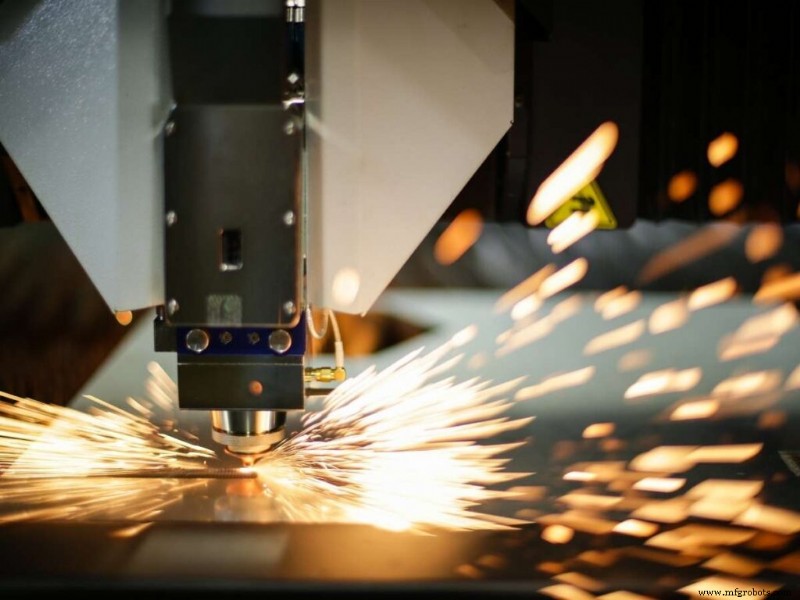
Laser cutting uses a focused beam of light to vaporize or melt material, producing razor‑sharp edges without physical contact. It’s the preferred method for detailed designs and a wide range of materials.
How It Works
- Upload a digital design file.
- The laser focuses on the material, heating it to extreme temperatures.
- A high‑pressure gas removes the melted residue, leaving a clean cut.
- The beam follows the programmed path, forming intricate shapes.
Types of Laser Cutting
- CO₂ Laser – Best for wood, acrylic, plastics, and textiles.
- Fiber Laser – Optimized for metals such as stainless steel, aluminum, and brass.
- Nd:YAG Laser – Suited for very hard materials like ceramics and thick metals, common in aerospace and medical manufacturing.
Common Uses
- Metal fabrication and enclosure manufacturing
- Custom signage and branding graphics
- Electronics—circuit boards, control panels
- Textile cutting for apparel and accessories
- Medical and aerospace precision parts
3. Die Cutting vs Laser Cutting: Key Differences
| Factor | Die Cutting | Laser Cutting |
|---|---|---|
| Cutting Method | Physical steel die stamps shapes | High‑power laser beam cuts material |
| Precision | High; minor edge variation possible | Extremely high; clean, smooth edges |
| Speed | Fast for mass production | Slower per unit but excels at complex cuts |
| Setup Costs | Higher due to custom die manufacturing | Lower—no tooling required |
| Production Costs | Lower for high volume | Higher per unit; better for small runs |
| Material Compatibility | Cardboard, plastic, metal, foam, fabric | Metals, acrylics, wood, textiles, and more |
| Customization | Limited—new die for each change | Unlimited—update digital file |
| Scalability | Excellent for large‑scale production | Ideal for prototyping and medium runs |
| Environmental Impact | More waste from material trimming | Efficient use of material; energy‑intensive |
| Maintenance | Die wear and replacement | Lens cleaning and machine upkeep |
4. Five Factors to Consider
Choosing the right technology hinges on a few critical variables. Below are the top five considerations:
1. Project Complexity
High‑volume, repetitive cuts favor die cutting. Intricate patterns or custom shapes call for laser cutting’s precision.
2. Production Volume
Die cutting shines when you need thousands or millions of identical parts. Laser cutting excels with low‑ to medium‑run, highly customized jobs.
3. Budget
Die cutting requires an upfront die cost but offers long‑term savings on large runs. Laser cutting has a lower initial investment but higher per‑unit costs.
4. Material
Die cutting is best for paper, cardboard, foam, rubber, and rigid plastics. Laser cutting handles metals, acrylics, wood, and textiles with finesse.
5. Customization Needs
Frequent design changes favor laser cutting. For a fixed design at scale, die cutting is the most economical.
Conclusion
Choosing between die cutting and laser cutting isn’t just a technical decision—it’s a strategic one that can influence cost, quality, and speed. Align your choice with your project’s volume, complexity, budget, and material requirements, and you’ll avoid costly missteps.
Need help selecting the right method? Contact us today and let us guide you to the best solution for your business.
Additional Resources
- What Is a Laser Engraver?
- Buying a Second‑hand Laser Engraver: What You Need to Know
Still unsure? We’re available 24/7 to answer your questions.
CNC Machine
- ELE1212 Desktop CNC Router Machine: Custom Design & Delivery to Greece
- CNC Turning Machines: Boosting Manufacturing Precision & Efficiency
- Start a CNC Router Business: A Step‑by‑Step Guide to Success
- Fanuc G33 Thread Cutting on CNC Mill: Expert Guide
- Dual‑Spindle Technology Boosts Efficiency for Automotive Manufacturers
- Manitowoc High Schoolers Jumpstart Careers Through Hands‑On Machinist Apprenticeships
- Saudi Arabia Praises Our Six-Sided CNC Drilling Machine and Exceptional Service
- Why Steel Dominates Precision CNC Machining: Benefits and Uses
- Step-by-Step Guide to Crafting Durable Silicone Molds at Home
- Comprehensive Guide to Fanuc Spindle Alarm Codes & Faults