



2024 Guide to the Best Wood CNC Machines: Features, Types, and Buying Tips
Wood CNC machines have revolutionized modern woodworking, offering unmatched precision, speed, and design freedom compared to hand‑cut tools. From compact desktop units for hobbyists to industrial‑grade routers that shape furniture and architectural elements, these machines can work with a wide array of wood, plastic, and metal. In this comprehensive guide, we explore the essential factors to consider when choosing a CNC router, the varieties of wood it can handle, the different router configurations, recommended software, profitable projects, and safety best practices.
What Kind of Wood Can a CNC Router Handle?
A CNC router is versatile enough to work with almost any wood, whether natural or engineered. Below are the most common categories:
Hardwoods
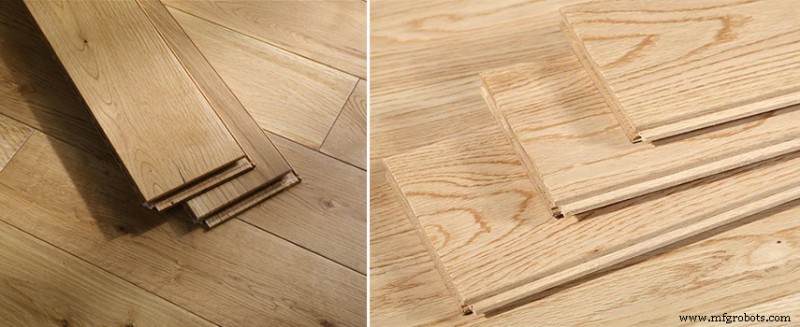
Hardwoods such as oak, maple, mahogany, cherry, ash, hickory, birch, teak, and walnut are prized for their strength, durability, and beautiful grain patterns. They are ideal for fine furniture, cabinetry, and detailed carvings.
Softwoods
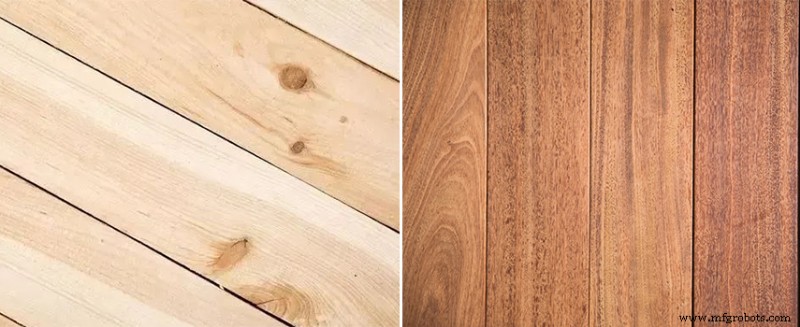
Softwoods—including pine, cedar, fir, redwood, cypress, and spruce—are generally lighter, less expensive, and easier to machine. They’re common in construction, paneling, and large-scale woodworking projects.
Engineered Woods
Engineered products such as plywood, MDF, particleboard, OSB, and LVL are composed of glued wood fibers or veneers. CNC routers can cut, shape, and engrave these materials efficiently, making them popular in mass‑produced furniture and decorative panels.
Which CNC Router Configuration Suits Your Needs?
3‑Axis CNC Router
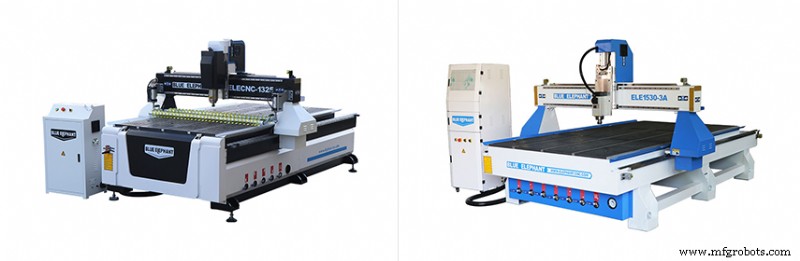
A 3‑axis machine moves the spindle along the X, Y, and Z axes, allowing for precise 2D and 3D cuts on wood, acrylic, PVC, and foam. It’s the most common entry‑level configuration for hobbyists and small workshops.
4‑Axis CNC Router
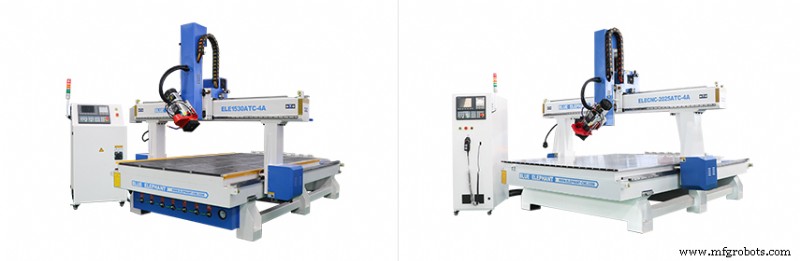
Adding a rotary axis gives the router the ability to rotate the workpiece 180°, opening up complex curved surfaces, columns, and spirals. It also reduces manual repositioning, boosting production efficiency.
5‑Axis CNC Router
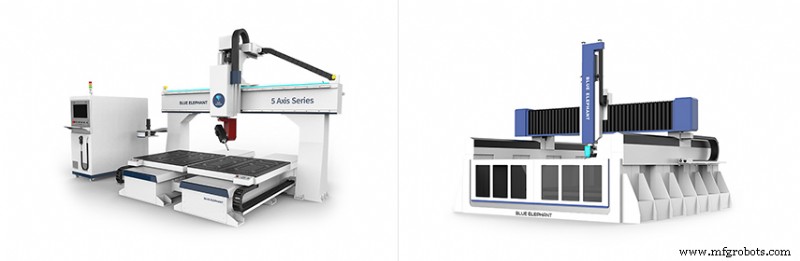
With two additional axes (A and B), a 5‑axis router can tilt and rotate the tool head, enabling intricate 3‑D contours and highly detailed engraving on challenging geometries.
Multi‑Head CNC Router
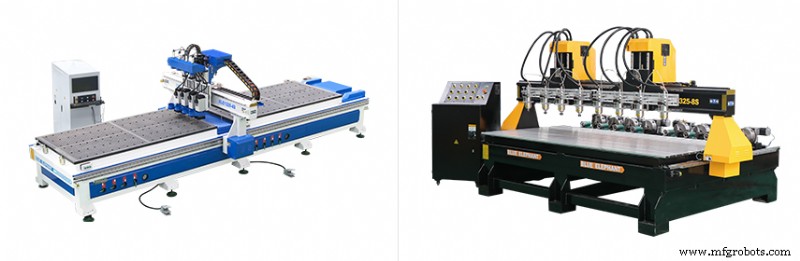
Equipped with 2–8 spindles, a multi‑head router can perform several cuts simultaneously. This feature is invaluable for high‑volume production and for creating multi‑layered designs in a single pass.
Rotary Axis CNC Router
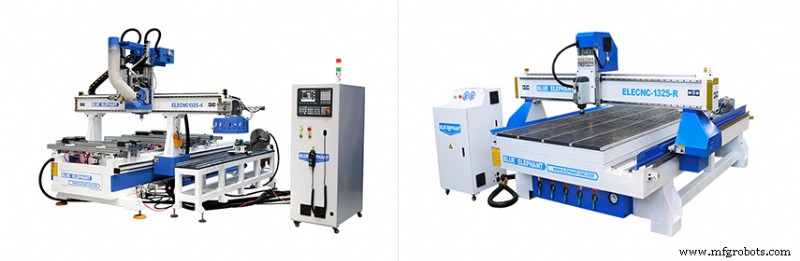
Designed specifically for 3‑D carving and engraving, the rotary axis allows the machine to rotate the material in any direction, facilitating the creation of complex, rotationally symmetric shapes.
Best CNC Router for Small Shops
For entrepreneurs and small workshops, the Blue Elephant Hobby CNC Router is a standout choice. Its compact footprint (2×3 in. to 4×4 in. models) and advanced features—vacuum adsorption, touch‑screen interface, and optional custom work area—make it ideal for both hobbyists and commercial projects.
Software Essentials for Wood CNC Routing
Running a CNC router requires a two‑step software workflow: CAD for design, and CAM for toolpath generation.
CAD Software
Free and paid options such as SketchUp, Fusion 360, and SolidWorks allow you to model parts in 2D or 3D. Export the design in a format readable by your CAM software.
CAM Software
CAM programs like Vectric Aspire, ArtCAM, and BobCAD‑CAM translate your CAD model into precise cutting instructions tailored to your router’s specifications.
Profitable CNC Wood Projects to Generate Income
Wooden Signs
Custom wooden signs remain in demand for weddings, businesses, and home décor.
Wall Art
From minimalist patterns to intricate 3‑D reliefs, CNC‑cut wall art attracts buyers looking for unique accents.
Picture Frames
Personalized frames can be produced quickly and sold at a premium for special occasions.
Coasters
Engraved coasters with names or logos make excellent gifts and are easy to produce in bulk.
Clocks
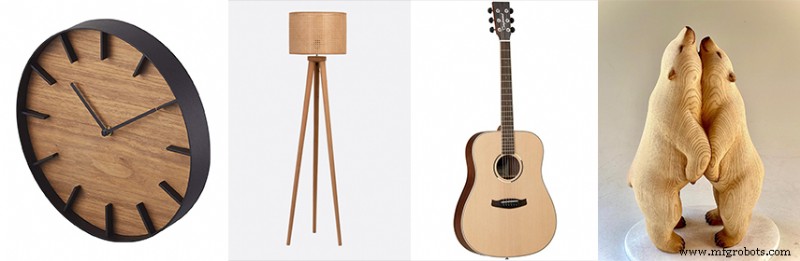
Wooden clocks with CNC‑cut faces offer a distinctive blend of craftsmanship and modern design.
Lamps
Natural wood lamps, finished in oak, walnut, or maple, add warmth to any space and can be customized with complex patterns.
Guitars
While more advanced, CNC routing can produce guitar tops (spruce), backs and sides (mahogany or rosewood), and necks (maple) with high precision.
Sculpture
Three‑dimensional sculptures—abstract or representational—can be carved from solid wood or assembled from multiple panels.
Jewelry
Miniature wooden pieces such as pendants or earrings showcase the fine detail achievable with CNC routing.
Wooden Toys
Puzzles, blocks, and cars remain evergreen market items that can be mass‑produced with consistent quality.
Furniture
Tables, chairs, and shelves crafted with CNC precision reduce labor time while maintaining design integrity.
Home Décor Items
Vases, candle holders, and decorative boxes can be customized and sold as premium accessories.
Why Choose a CNC Router Over Traditional Tools?
Precision
CNC routers deliver tight tolerances, enabling intricate designs that would be impossible by hand.
Speed
Automated cutting dramatically reduces cycle time, especially for repeat orders.
Consistency
Each part is produced identically, ensuring seamless assembly and a professional finish.
Automation
Programming repetitive tasks eliminates manual labor and minimizes human error.
Versatility
Beyond wood, CNC routers can machine plastics, composites, and lightweight metals.
Maximum Workpiece Size You Can Expect
Bed sizes vary by category:
- Desktop routers: 12″ × 12″ to 24″ × 24″ – ideal for small projects.
- Hobbyist routers: 2′ × 3′ to 4′ × 8′ – suitable for larger, more complex pieces.
- Industrial routers: 4′ × 8′ to 10′ × 50′+ – designed for heavy‑duty, high‑volume production.
Choose a bed size that aligns with your project scope; larger beds increase upfront cost and footprint but unlock greater creative possibilities.
Essential Safety Precautions
- Wear protective gear: Safety glasses, goggles, and a dust mask or respirator protect against debris and fine particles.
- Secure the workpiece: Use clamps or vacuum tables to prevent movement during cutting.
- Use the correct router bit: Ensure the bit matches the material and is firmly seated in the collet. Replace dull or damaged bits immediately.
- Keep hands clear: Never touch moving parts while the machine is operating.
- Monitor the process: Stay attentive; stop the machine if you hear unusual noises or feel abnormal vibrations.
- Maintain a clean workspace: Regularly remove dust and debris to avoid fire hazards.
- Follow the manufacturer’s guidelines: Never modify the router without consulting the manufacturer.
Final Thoughts
Investing in a wood CNC router is a strategic decision that can elevate your craft, expand your product line, and boost profitability. By understanding the types of wood, machine configurations, software workflow, and safety measures, you can make an informed purchase that aligns with your business goals. Test different woods on a pilot run to fine‑tune settings, and let your creativity guide the next breakthrough in woodwork.
CNC Machine
- High‑Performance 1390 W CO₂ Laser Cutter for Acrylic – Ready to Ship to Moscow, Russia
- Debunking 4 Common Myths About CNC Finishing Tools
- CNC Bridge Saw Pricing for Marble, Quartz, and Granite: A Complete Cost Guide
- ABS Plastic Machining: Key Benefits, Challenges, and 5 Essential Tips
- Custom 2128 ATC Nesting CNC Machine Delivered to Riga, Latvia – Blue Elephant’s Trusted Choice
- Your Path to a Career as a CNC Maintenance Technician
- 1325 Multi-Head 8-Spindle CNC Router with Custom Rotary Device
- Aero Spec Engineering: Leading Australian CNC Specialist Enhancing Modern Waste Management
- Bangladeshi Client Showcases 4x8 CNC Wood Machine with Rotary Device in Creative Jigsaw Puzzle Projects
- Step‑by‑Step CNC Lathe Programming Guide: Chamfer, Taper, Groove & Arc