



Mass Production: Process, Benefits, Challenges, and Future Trends
Transforming a product concept into a market‑ready item—regardless of size—is a complex journey. When you step into a supermarket and see shelves stocked with identical cans, appliances, or toys, you’re witnessing the power of mass production.
Mass production uses assembly lines, automation, and standardized parts to deliver large volumes of uniform goods quickly and at low cost. While it democratizes access to many products, it also brings quality control, supply‑chain resilience, and environmental stewardship into focus.
In this guide we explore the principles that drive mass production, the tangible benefits it offers, the common obstacles manufacturers face, and how emerging technologies are reshaping the industry.
What Is Mass Production?
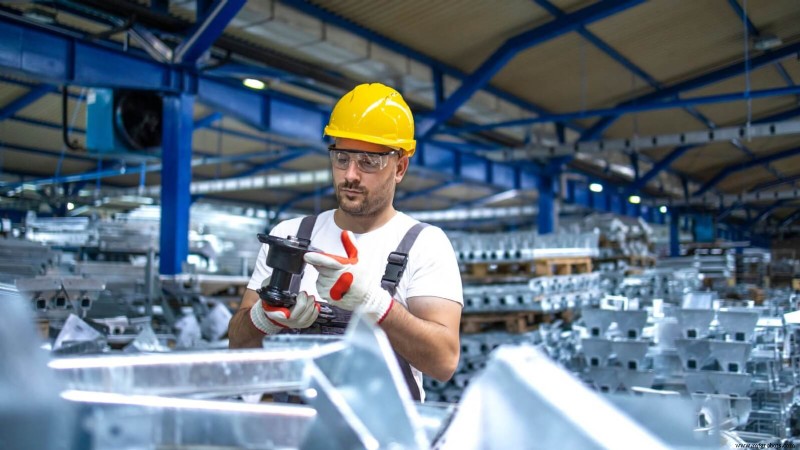
Mass production is the large‑scale manufacture of standardized items using assembly lines or advanced automation. By carefully orchestrating material flow, enforcing strict quality checks, and dividing labor into highly specialized roles, companies can produce identical products at remarkable speed.
Historically, the roots of mass production date back to the late 19th and early 20th centuries, when standardization first appeared in crossbow manufacturing and naval shipbuilding. Today, the same principles apply to everything from smartphones to automotive parts, enabled by robotics, CNC machines, and the Industrial Internet of Things (IIoT).
Mass Production vs. Batch Production
Batch production creates a set quantity in one run, offering flexibility but slower throughput. Mass production, in contrast, runs continuously, maximizing economies of scale and maintaining a steady flow of identical units.
Mass Production vs. Job Shop Manufacturing
Job shops handle small, custom jobs that demand specialist skills. They prioritize flexibility over volume, resulting in higher per‑unit costs compared to the high‑volume, low‑cost model of mass production.
Mass Production vs. Mass Customization
Mass customization blends the efficiency of mass production with the ability to personalize products. By leveraging modular platforms and digital design tools, manufacturers can offer variants (color, features) without sacrificing scale.
Historical Evolution of Mass Production
Early evidence of standardization appears in ancient China’s crossbow parts and Carthaginian shipyards. The Industrial Revolution accelerated the concept with steam power and mechanized tools, culminating in Henry Ford’s 1913 assembly line that produced the Model T at unprecedented speed.
Today, modern factories integrate robotics, CNC machining, and IIoT to refine production cycles, enhance traceability, and support real‑time predictive maintenance.
Who Invented Mass Production?
While Henry Ford popularized the assembly line, the idea of interchangeable parts predates him, originating in 19th‑century firearms manufacturing. Ford’s refinements scaled the concept to the automotive sector, a model now applied to electric vehicles and beyond.
Early Forms of Mass Production
Ancient shipyards such as Carthage’s and the Venetian Arsenal built fleets using repetitive processes and standard parts—precursors to modern assembly lines. These practices highlighted the efficiency gains of division of labor and component uniformity.
Impact of the Industrial Revolution
Steam power and precision engineering enabled interchangeable parts, setting the stage for continuous‑flow production. Centralized factories fostered coordination and increased daily output, laying the foundation for contemporary mass production principles.
Factory Electrification
Replacing steam with electric motors allowed factories to run more compactly, increase machine speed, and improve precision. Electrification enabled independent yet synchronized operation of each station, boosting throughput and reducing downtime.
Modern Technological Transformations
Robotics, CNC machines, 3D printing, and IIoT have accelerated production while ensuring precision. Predictive analytics and real‑time monitoring reduce waste, streamline scheduling, and enable rapid adaptation to market demand.
Key Principles of Mass Production
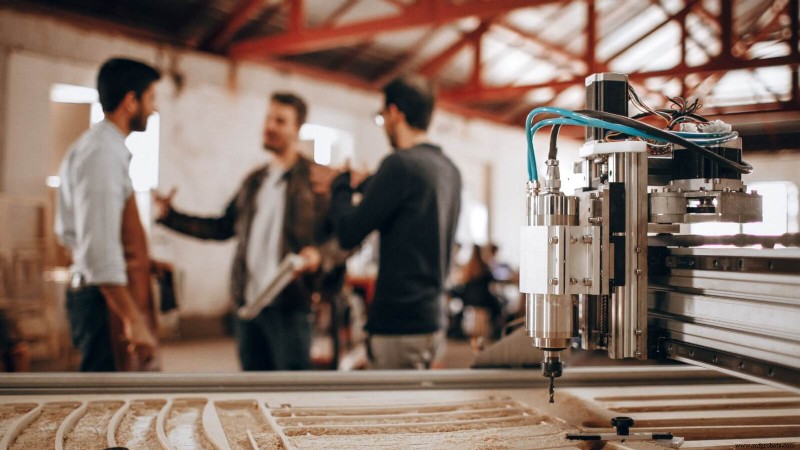
- Division of Labor – Assign specific tasks to maximize speed.
- Standardization – Uniform parts simplify assembly and reduce errors.
- Mechanization/Automation – Machinery performs repetitive tasks, raising throughput.
- Continuous Flow – Seamless movement prevents bottlenecks.
- Quality Control – Regular inspections ensure consistent standards.
- Economies of Scale – Large volumes lower per‑unit cost.
Advantages of Mass Production
- High Precision – Automation delivers consistent quality.
- Lower Per‑Unit Costs – Bulk production drives down expenses.
- Faster Production Rates – Assembly lines reduce cycle time.
- Efficient Resource Use – Optimized processes cut waste.
- Scalability – Systems can quickly ramp output.
Disadvantages of Mass Production
- High Initial Capital – Automation and plant setup are costly.
- Inflexibility – Design changes require retooling.
- Quality Spread – A defect can propagate widely.
- Worker Dissatisfaction – Repetitive tasks can reduce morale.
- Environmental Strain – High resource use and waste if unmanaged.
How Mass Production Works
Mass production follows a structured workflow: planning, design, material procurement, production, quality control, packaging, and distribution. ERP or MES systems monitor each stage, ensuring real‑time adjustments and traceability.
Main Stages of the Mass Production Process
- Initial Planning – Set objectives and schedules.
- Design & Development – Prototype and finalize designs.
- Material Procurement – Source and verify raw materials.
- Production – Assemble using automated processes.
- Quality Control – Inspect at multiple stages.
- Packaging & Distribution – Prepare for shipment.
Design and Development
- Define purpose and functionality.
- Choose materials that support mass‑production.
- Standardize parts for seamless assembly.
- Incorporate feedback from prior cycles.
- Plan for efficient line assembly.
Procurement of Raw Materials
- Bulk sourcing to reduce costs.
- Quality checks upon arrival.
- Build reliable supplier relationships.
- Coordinate logistics with production schedules.
Production Planning
- Schedule tasks and assign workstations.
- Use data‑driven forecasting.
- Integrate capacity planning.
- Develop supply‑chain contingency plans.
- Validate design through testing.
Division of Labor
- Assign specific tasks to workers or machines.
- Match skills to tasks.
- Minimize transition times.
- Provide clear instructions.
- Maintain flexibility for design changes.
Mechanization and Automation
- Employ specialized robotics and conveyors.
- Implement real‑time monitoring with sensors and IIoT.
- Boost productivity and reduce labor costs.
- Schedule routine maintenance.
- Focus on continuous efficiency improvements.
Quality Control
- Continuous inspections at checkpoints.
- Deploy machine vision and AOI tools.
- Adopt a three‑pillar approach: incoming, in‑process, and final QC.
Assembly
- Follow a sequenced, standardized process.
- Balance workflows to prevent delays.
- Use digital work instructions.
Testing
- Perform comprehensive functionality tests.
- Manage defects with data analysis.
- Conduct stress testing for reliability.
Packaging and Shipping
- Automate packaging for speed and consistency.
- Use pallets and barcoding for traceability.
- Optimize distribution with automated sorting.
Feedback and Continuous Improvement
- Leverage data for process refinement.
- Engage workers for insights.
- Schedule regular process reviews.
- Utilize real‑time analytics for proactive adjustments.
Industries Relying on Mass Production
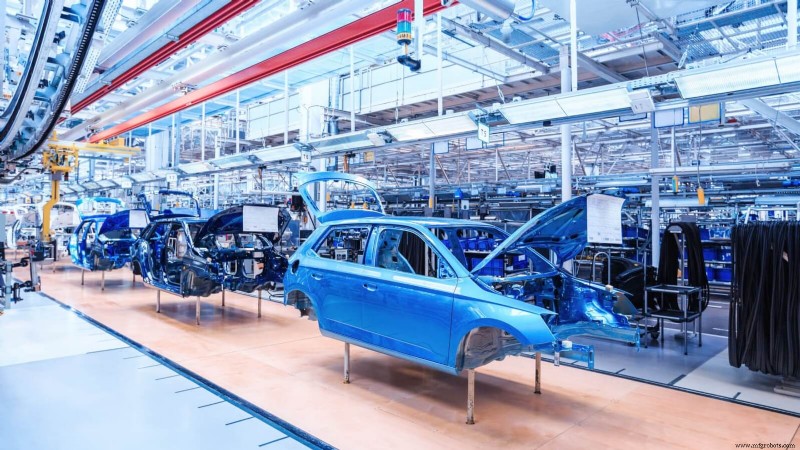
- Automotive & Transportation – High‑volume assembly lines.
- Electronics & Consumer Goods – Rapid, high‑quality output.
- Food & Beverage – Automated packing and processing.
- Pharmaceutical – Stringent QC and regulatory compliance.
- Clothing & Textiles – Automated cutting and sewing.
Essential Tools and Machinery
- CNC machines, die‑casting units, and industrial robots for precision tasks.
- Robotic arms for welding, assembly, and pick‑and‑place.
- Advanced conveyor systems to sustain continuous flow.
- Control & monitoring equipment – SCADA, sensors, and IIoT devices.
- Manufacturing Execution Systems (MES) for data integration.
Material Processing and Shaping Tools
- CNC milling, turning, grinding for metal and plastics.
- Injection molding machines for high‑volume plastic parts.
- Die‑casting units for complex metal components.
- Press machines for stamping, punching, and bending.
- Extrusion machines for continuous profiles.
Cutting and Welding Equipment
- Laser, plasma, and water‑jet cutters for precision cuts.
- Spot, arc, and laser welding machines for strong joints.
Assembly and Automation Machinery
- Industrial robots for repetitive tasks.
- Automated conveyors and AGVs for material flow.
- Robotic arms for precise assembly.
- Programmable assembly stations for moderate customization.
Quality Control and Inspection Tools
- Machine vision systems for high‑speed defect detection.
- Coordinate Measuring Machines (CMMs) for dimensional accuracy.
- X‑ray and ultrasonic testers for internal inspection.
- Automated Optical Inspection (AOI) systems for rapid checks.
- Predictive analytics for early defect detection.
Packaging and Handling Equipment
- Automated packaging machines for speed and consistency.
- Palletizing robots to stack efficiently.
- Labeling and barcoding systems for traceability.
- Automated sorting for distribution efficiency.
- Integrated tracking for accurate shipping forecasts.
Process Monitoring and Control Tools
- SCADA systems for centralized control.
- Smart sensors for real‑time monitoring.
- Industrial IoT devices for predictive analytics.
- PLC systems for task automation.
- Automated scheduling solutions for line optimization.
Key Performance Metrics
- Throughput – Units per time period.
- Cycle Time – Duration of one production cycle.
- Overall Equipment Effectiveness (OEE) – Combines availability, speed, and quality.
- Defect Rate – Percentage of flawed units.
- Lead Time – From order to delivery.
- Inventory Turnover – Speed of raw and finished‑goods movement.
Common Challenges
- Supply‑chain disruptions can halt production.
- Equipment downtime increases costs.
- Worker engagement is hard in repetitive roles.
- Regulatory changes may require costly adjustments.
- Overproduction leads to excess inventory.
- Inadequate QC risks recalls.
- Poor forecasting misaligns supply with demand.
Does Mass Production Compromise Quality?
When well‑managed, mass production maintains high quality. Automated inspections, frequent checks, and strict QC protocols prevent widespread defects, ensuring consistency across thousands of units.
Factors Influencing Efficiency
- Process optimization eliminates bottlenecks.
- Reliable equipment reduces downtime.
- Skilled workforce quickly troubleshoots issues.
- Coordinated supply chains prevent delays.
- High automation levels boost precision and speed.
Cost of Mass Production
A full‑scale facility can cost between $500,000 and over $100 million, depending on automation level and scale. While upfront investment is significant, economies of scale and automation drive down per‑unit costs over time.
- Machinery and automation.
- Plant layout and construction.
- Staff training.
- Regulatory compliance.
- Assembly line precision tools.
- Facility renovation.
- Tooling for standardization.
- Inventory and logistics systems.
Impact on Workers
Mass production offers jobs that require technical skill, from machine operation to maintenance. However, repetitive tasks can reduce morale. Companies mitigate this by cross‑training employees, providing ergonomic workstations, and offering career progression into higher‑skill roles.
Does Mass Production Lower Wages?
Automation reduces reliance on low‑skill labor, increasing demand for skilled technicians who program and maintain equipment. In regions with strong labor protections, wages remain stable or even rise for those roles.
Working Conditions
High‑speed lines demand strict safety protocols. Modern plants invest in ergonomics, scheduled breaks, and continuous safety training to reduce injury risk and sustain productivity.
Environmental Impacts
- High energy consumption, often from fossil fuels.
- Industrial waste: scrap, defective parts, packaging.
- Transportation emissions and potential over‑production waste.
Many manufacturers adopt sustainable practices—energy‑efficient equipment, recycling, and eco‑friendly materials—to mitigate these effects.
Reducing Waste
- Eliminate over‑production.
- Minimize defects through tighter QC.
- Optimize material usage with precision machining.
- Use smart packaging to reduce excess.
Global Supply Chain Dynamics
Mass production depends on global sourcing. Disruptions—from geopolitical tensions to natural disasters—can halt lines that rely on just‑in‑time inventory. Robust supplier relationships and diversified sourcing mitigate these risks.
Regulatory and Compliance Landscape
Manufacturers must meet safety, worker‑protection, and environmental regulations. Non‑compliance can lead to fines, recalls, or shutdowns, making regulatory adherence essential.
Future Trends
The next wave of mass production centers on automation, sustainability, and personalization.
- Industry 4.0 and smart factories – AI‑driven automation.
- Predictive maintenance via IIoT.
- Sustainability initiatives – lower energy use, carbon reduction.
- Mass customization – blending standard production with on‑demand personalization.
Conclusion
Mass production remains the backbone of global supply chains, delivering affordable, high‑quality goods at scale. Yet, speed alone is insufficient; quality, flexibility, and sustainability are equally critical.
By embracing AI, automation, and predictive analytics, manufacturers can reduce waste, improve efficiency, and meet evolving consumer expectations.
At 3ERP, we specialize in precision manufacturing. With over 100,000 CNC‑machined parts delivered, we uphold tight tolerances and rigorous inspections, ensuring every component meets the highest standards. Whether you need prototypes or full‑scale production, our expertise turns designs into reliable, consistent realities.
CNC Machine
- Circular Interpolation Techniques: Advanced G90/G91 Programming with CNC Examples
- Kyocera Cutting Tools & Inserts Catalog – 2013 Milling, Turning, Drilling – Free Download
- Fanuc Lathe Programming: Mastering G70, G71, G74 for Precision ID Machining
- Milling Machines vs Lathes: Essential Differences for Precision Machining
- Buy Blue Elephant CNC Wood Cabinet Machines in Albania – Reliable & Efficient
- Mastering Turning Insert Nomenclature: A Clear Guide for CNC Operators
- Choosing the Right CNC Machining Partner in China: Efficiency, Cost, and Quality
- Mastering AI in CNC Machining: A Comprehensive Guide for Shop Owners
- CNC Milling: G70 Bolt Hole Circle Program – Simple & Accurate Example
- Youth Machinist Apprenticeship Programs: Unlock Career Growth & Earn While You Learn