



3D Printing in Jewelry: How Technology Transforms Design, Production, and Customization
Jewelry is a blend of art, skill, and individuality. 3‑D printing now fuses these elements with cutting‑edge tech, unlocking designs that were once impossible.
High‑resolution printers bring intricate concepts to life faster and with less waste. Designs that once required weeks of hand‑carving can be created digitally, printed, and finished in a fraction of the time—while still meeting the artisanal quality that customers expect.
Moreover, 3‑D printing expands creative horizons, letting designers experiment with complex geometries, negative space, and lightweight lattices that traditional methods cannot easily achieve.
This article explores how 3‑D printing reshapes jewelry design, manufacturing, and personalization, and what it means for both seasoned jewelers and new innovators.
Traditional Jewelry Making Before 3‑D Printing
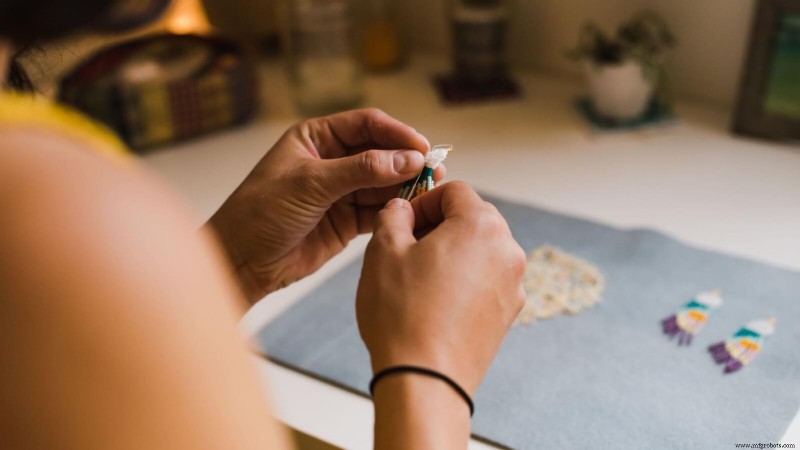
Historically, jewelry was handcrafted using hand‑carving, lost‑wax casting, die striking, and electroforming. These techniques demanded exceptional skill and could take days or weeks to produce a single piece. Reproducing a design consistently was difficult; any mistake often meant starting over.
While these artisanal methods remain valued, they are increasingly complemented by modern approaches that streamline production and reduce upfront costs for large batches.
How Digital Approaches Blend with Traditional Jewelry Making
3‑D printing integrates seamlessly into the traditional workflow, enhancing rather than replacing the craftsmanship that defines the industry.
Digital tools can generate detailed wax or resin patterns in hours, dramatically cutting manual labor. Finish stages—polishing, hand‑detail—still rely on skilled artisans, preserving the human touch.
Design errors are now easier and cheaper to correct, allowing independent creators and large manufacturers alike to experiment freely without the high risk of traditional methods.
Key Advantages for Jewelers and Customers
3‑D printing delivers speed, customization, and cost savings.
- Prototype time drops from days to hours, accelerating client approvals.
- Multiple complex patterns can be produced in a single run, supporting both small batches and mass customization.
- Material waste shrinks dramatically, making bespoke pieces more affordable.
- High‑resolution printers (25‑micron detail) enable filigree‑like structures previously unattainable.
- Rapid iteration lets clients view and tweak several variations quickly, fostering loyalty and repeat business.
Personalized and Bespoke Creations
3‑D printing empowers designers to produce truly one‑of‑a‑kind pieces—engagement rings, heirloom updates, or commemorative items—by simply adjusting CAD models. Complex inscriptions, filigree, and custom geometries become routine, giving independent brands a distinct edge.
Expanded Design Flexibility
Digital design removes many geometric limits, enabling interlocking parts, hollow cores, and organic shapes that would be unworkable by hand. Features below 0.5 mm are achievable, allowing minimal material use without compromising aesthetics.
Faster Prototyping and Easier Repairs
A preliminary model can be printed in 1–2 hours, providing instant feedback. Damaged or modified sections—like a clasp—can be reprinted precisely, ensuring quick and accurate repairs.
Increased Production Efficiency
Both small studios and large manufacturers can scale operations efficiently. With multiple builds, 500–2,000 pieces per month are attainable. Master models create rubber or silicone molds, enabling high‑repeatability casting and reducing labor.
Competitive Edge for Independent Designers
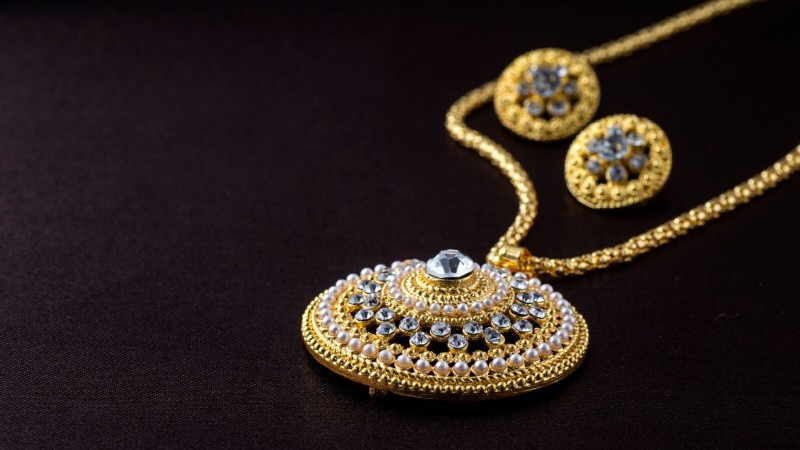
3‑D printing lowers entry barriers: less capital for tooling, a shorter learning curve, and the ability to iterate designs quickly. On‑demand printing services further reduce startup costs, allowing focus on design and direct sales.
Material Choice
Designers typically use castable resins that burn out cleanly, preserving detail during lost‑wax casting of gold, silver, brass, or bronze. For direct metal printing, powder‑bed fusion offers fully finished pieces but at higher cost. Plastic resins or nylon are ideal for lightweight prototypes.
Optimized Weight
By adjusting wall thickness and internal structure, designers can reduce metal usage, lower costs, and create lighter, more comfortable pieces. Lattice structures maintain strength while cutting bulk.
Processes and Techniques in 3‑D‑Printed Jewelry
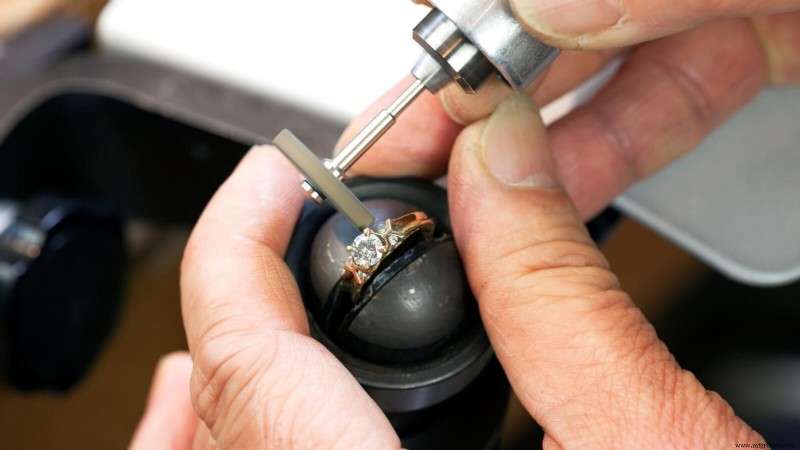
The workflow starts with a digital 3‑D model, which is printed as a wax or resin pattern for lost‑wax casting. Alternative methods include direct metal 3‑D printing via powder‑bed fusion and rubber‑mold production for high‑volume runs.
Direct 3‑D Printing of Jewelry Components
Layer‑by‑layer metal printing bypasses mold making, enabling complex designs in gold, silver, or platinum. However, it requires significant post‑processing—support removal, polishing—to meet fine‑jewelry standards.
Investment Casting via 3‑D‑Printed Patterns
3‑D‑printed wax or resin patterns transfer intricate detail to metal with reduced waste and quicker iteration. Clean burnout resins prevent residue, ensuring smooth metal flow.
Lost Wax Casting and Mold Making
High‑resolution masters create durable silicone or rubber molds that can withstand >170 °C. These molds allow efficient, repeatable production of complex designs.
Metal 3‑D Printing (Including Precious Metals)
Direct metal laser sintering builds pieces from precious metal powders. While costlier, it eliminates casting steps and offers unprecedented design freedom.
CNC vs. 3‑D Printing for Jewelry
CNC milling excels at geometric shapes but generates more waste; 3‑D printing adds material layer‑by‑layer, enabling intricate internal structures and rapid prototyping. Many jewelers blend both for optimal results.
Main Software and Design Tools for Jewelry Modeling
CAD software tailored for jewelry offers ring‑size templates, prong settings, and photorealistic rendering, enabling designers and clients to preview final pieces accurately. Parametric design allows quick dimension changes while preserving intent.
Choosing the Right CAD Program
Select software with intuitive UI, jewelry libraries, STL/OBJ export, and real‑time material simulation. Trial or cloud‑based options help beginners keep costs low.
Pre‑Printing Considerations
Verify wall thickness, add supports, avoid undercuts, and use slicing software for orientation and scale checks. Proper simulation prevents failures and reduces post‑processing.
Printers and Material Options
Resin‑based SLA/DLP printers dominate for their detail and castability. Metal powder‑bed fusion offers direct metal prints but at higher cost. FDM printers suit larger, simpler pieces.
Resin printers now reach 8K resolution, pushing design boundaries. Wax‑like material jetting reduces residue, improving cast quality.
Specialized Wax and Castable Resins
Low‑ash resins (15–30 % wax) burn cleanly, preserving fine detail. Mechanical strength must support delicate structures. Post‑curing follows manufacturer guidelines for stability.
Metal Filaments and Powders
Metal‑infused filaments require sintering; full metal powder printing (e.g., selective laser melting) yields fully finished pieces. Supports and polishing are essential for surface quality.
Rubber Mold Resins and Other Materials
High‑temperature resins produce vulcanized rubber molds that capture detail. Flexible resins allow bendable parts like earring backs. High‑wax content resins optimize casting fidelity.
Printer Selection Criteria
Prioritize resolution (≤25 µm), build volume for batch production, material compatibility, and ease of maintenance.
In‑House vs. Outsourced Printing
Owning a printer grants full control but incurs upfront cost and training. Outsourcing reduces initial investment and offers material variety, ideal for new designers or low‑volume runs. A hybrid model—prototype in‑house, mass production outsourced—maximizes efficiency.
Practical Guidelines, Cost Analysis, and Best Practices
To integrate 3‑D printing successfully, follow these steps:
- Establish a streamlined workflow: CAD → 3‑D print → post‑process → finish.
- Conduct a break‑even analysis comparing hand‑carving versus 3‑D printing, factoring time and waste.
- Track key metrics: cost per print, monthly output, revision frequency.
- Schedule production stages to avoid bottlenecks.
Essential Requirements for Success
- Proficiency in jewelry‑specific CAD and an understanding of ring sizing and gem settings.
- Reliable equipment: a suitable 3‑D printer, burnout kiln, polishing tools.
- Mastery of printer settings—layer height, exposure—to avoid failures.
- Consistent maintenance: cleaning, resin replacement, calibration.
Common Limitations and Pitfalls
- Handle resin odors; use UV curing and proper ventilation.
- Avoid overly thin sections that may warp.
- Ensure adequate fume extraction during burnout.
- Regularly calibrate printers and replace consumables.
Calculating Time and Cost Savings
- Labor vs. printing costs: hours of hand‑carving multiplied by wage rates versus faster cycles and material costs.
- Digital corrections eliminate costly rework.
- Higher batch output reduces unit cost.
- Minimal waste with reusable resins or powders.
From Prototyping to Scaled Production
- Prototype quickly, then replicate with master patterns for molds.
- Digital files allow instant scale‑up from one‑of‑a‑kind to large runs.
- Incrementally add printing capacity or automated tumblers as demand grows.
Rules of Thumb and Pro Tips
- Orient designs to reduce support contact on visible surfaces.
- Use 0.6–0.8 mm wall thickness for delicate parts.
- Tailor polishing to material; test on sample prints.
- Document all printing parameters for consistency.
Opportunities for Emerging Designers
- On‑demand manufacturing eliminates inventory risk.
- Rapid CAD edits respond to trends or client requests.
- E‑commerce and crowdfunding validate demand before bulk runs.
- Focus on intricate, personalized pieces to compete with mass‑produced brands.
Creative Inspirations and Future Innovations
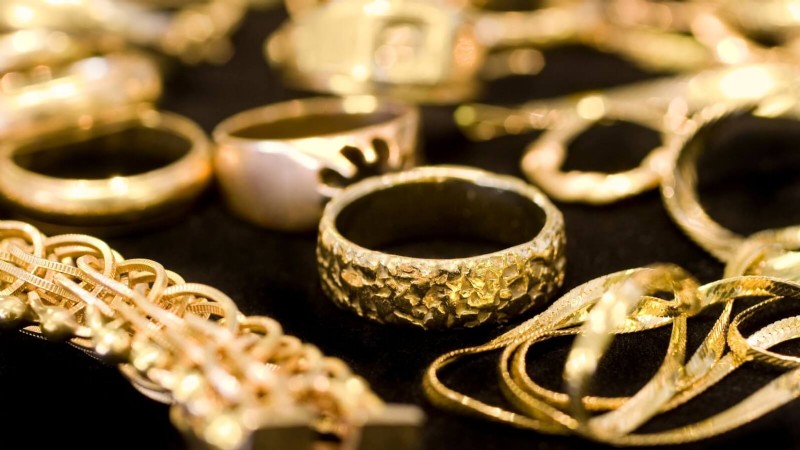
Modern jewelry embraces lattice structures, nature‑inspired forms, and complex geometries impossible with hand‑crafting. Algorithmic pattern generators and AI design tools help optimize weight, suggest variations, and streamline the creative process.
Multi‑material printing blends rigid and flexible elements, enabling dynamic, wearable pieces. Advanced post‑processing—electroplating, nanocoatings, precision polishing—further refines finish. Future printers with real‑time sensors will auto‑correct deviations, enhancing accuracy.
How Durable Is 3‑D‑Printed Jewelry?
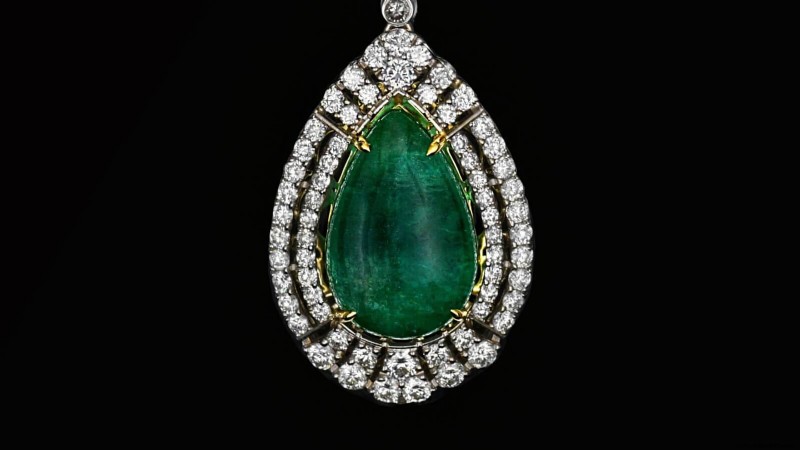
Precious metals printed via metal powder fusion or investment casting match the strength of traditional cast pieces. Polished metal surfaces resist daily wear; protective coatings can extend longevity.
Resin jewelry durability varies: castable resins are fragile pre‑casting, while high‑strength photopolymers resist scratches. Adequate wall thickness and supports improve long‑term performance.
Post‑processing such as annealing reduces internal stresses and boosts durability. Regular cleaning and proper storage preserve intricate designs.
Does 3‑D Printing Limit Creativity?
No. Additive manufacturing expands possibilities beyond the limits of hand‑carving. While support structures and minimum wall thickness impose some constraints, modern printers and slicing software mitigate these challenges. Iterative testing ensures high‑quality final pieces.
How Long Does It Take to Print a Typical Piece?
Printing time depends on complexity, layer height, and post‑processing. Simple rings finish in 1–2 hours; intricate pendants or multi‑component designs may take 4–8 hours. Cleaning, curing, and support removal add 30–60 minutes. Casting, polishing, or stone setting add extra time, but overall workflow remains faster than hand‑carving.
Conclusion
3‑D printing is redefining jewelry creation. By marrying traditional craftsmanship with advanced technology, designers can produce intricate, custom pieces faster and with less waste. The result is a richer, more personalized market that rewards creativity and efficiency.
Frequently Asked Questions
How Big is the 3‑D Printing Jewelry Market?
The global 3‑D‑printed jewelry market is growing steadily, projected to increase by nearly USD 2 billion between 2020 and 2024. Demand for customization and rapid production drives this expansion, and as technology improves, the market is poised to grow further.
Can You 3‑D Print Gold Jewelry?
Yes. The most common route is lost‑wax casting using a 3‑D‑printed wax or resin pattern. Direct metal printing with gold powder is also possible but requires specialized equipment and higher costs. Post‑processing—tumbling, polishing, plating—ensures a flawless finish.
What Metals and Materials Are Safe for Skin Contact?
Medical‑grade stainless steel, sterling silver, and specific gold alloys are generally safe. Brass, bronze, and copper can oxidize and discolor the skin unless coated (e.g., rhodium plating). Resin jewelry should be sealed or coated to prevent irritation; some castable resins are marketed as biocompatible. Proper polishing reduces abrasion and trapped debris, minimizing skin irritation.
CNC Machine
- Premium 1530 ATC 4-Axis CNC Router for Sale – Delivered to Ludhiana, India
- Step-by-Step Guide: Loading and Running Programs on the NK260 Control System
- Precision CNC Machining: Professional Guide to Production Steps
- ECS G81 Standard Drilling Cycle: Precision Data Entry & Parameter Settings
- Top 10 Advantages of In-House Rapid Prototyping
- Master G02 & G03 Circular Interpolation: CNC Mill Example Program
- Preparing Your Workshop for a CNC Plasma Cutting Table: Electrical & Gas Requirements
- Free Comprehensive Guide to Heat Treatment in Metalcasting & CNC Machining
- Top 7 CNC Milling Machine Manufacturers: Trusted Choices for Your Shop
- Essential Insights into Mini CNC Routers for Precision Crafting