



Rapid Prototyping in Aerospace: Accelerating Innovation from Concept to Flight
In aerospace, rapid prototyping is more than a manufacturing technique—it’s a strategic enabler that turns blue‑prints into flight‑ready components at record speed.
By leveraging CNC machining, subtractive and additive manufacturing (the 3D printing we all know), aerospace firms rapidly validate designs, uncover flaws early, and cut development costs by up to 20%—a figure echoed by leading industry analysts.
Even with these fast methods, delivering a fully tested prototype can still span a few months, underscoring the need for iterative, high‑speed prototyping in a field where safety margins are non‑negotiable.
In the following sections, we examine how prototyping tools are reshaping the aerospace supply chain, streamlining the journey from idea to cockpit.
What Is Rapid Prototyping?
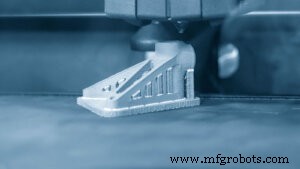
Originating in the 1970s, rapid prototyping swiftly turns CAD designs into physical models or assemblies using techniques such as additive manufacturing, CNC machining, and more. In aerospace, both high‑fidelity prototypes that mirror the final product and low‑fidelity models for concept verification are essential.
Early integration of prototypes lets engineers test functionality, gather feedback, and refine designs—ensuring performance and safety standards are met from the outset.
Rapid Prototyping in the Aerospace Context
For aviation, rapid prototyping focuses on producing sub‑scale and full‑scale parts that meet strict regulatory standards and survive extreme operating conditions. It bridges theory and production, allowing exhaustive validation without committing to full‑scale manufacturing.
Unlike generic prototyping, aerospace rapid prototyping prioritizes flight‑critical systems, specialized materials, and flawless execution, delineating clear boundaries between prototyping, fabrication, and manufacturing stages.
How the Aerospace Prototyping Process Works
The process blends cutting‑edge technology with traditional engineering to accelerate component development.
Seven Essential Steps
- Conceptualization & CAD Modeling: Designers craft detailed 3D models, ensuring all stakeholders share a unified vision of functionality and aesthetics.
- Material & Method Selection: After approval, teams choose appropriate aerospace‑grade materials—titanium alloys, aluminum, thermoplastics—and methods like 3D printing, CNC machining, or composite layup.
- Prototype Fabrication: Selected methods build the prototype, whether additive layer‑by‑layer or subtractive removal from a solid block.
- Initial Testing & Evaluation: Early tests confirm geometric accuracy and basic performance under simulated conditions.
- Refinement & Iteration: Feedback drives design tweaks, often requiring multiple prototypes to meet precise specifications.
- Advanced Validation: Comprehensive structural, thermal, and regulatory tests confirm compliance with industry standards.
- Final Review & Next Steps: A successful validation leads to a go‑ahead for production or a decision to refine further, based on performance and regulatory outcomes.
Types of Aerospace Prototyping

Visual Prototypes
Early‑stage models that verify shape and dimensions. Made from cost‑effective materials, they support stakeholder alignment without the expense of flight‑spec components.
Functional Prototypes
Built with flight‑grade materials, these prototypes test mechanical strength, aerodynamics, and thermal resilience, identifying safety‑critical design issues before mass production.
Scale Models
Reduced‑size representations enable aerodynamic testing in wind tunnels and spatial fit verification, allowing designers to iterate quickly and communicate concepts effectively.
Full‑Scale Models
Exact replicas of final parts facilitate real‑world testing, maintenance drills, and final validation, significantly lowering the risk of costly downstream errors.
Digital Prototypes
Virtual CAD models and simulations provide rapid, cost‑effective insight into aerodynamic, thermal, and structural performance, guiding design decisions before any physical part is built.
Key Rapid Prototyping Techniques
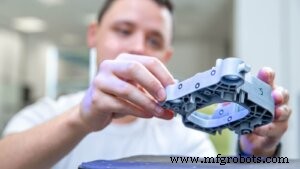
3D Printing (Additive Manufacturing)
Layer‑by‑layer build‑up using specialized thermoplastics or metal powders, ideal for complex geometries, lightweight structures, and short‑run production.
- Customization and rapid iteration
- Minimal material waste
- Ability to produce intricate internal features
Limitations include build volume constraints, high material cost for premium metals, and the need for post‑processing to achieve final surface finish.
CNC Machining
A subtractive process that offers precision and robust mechanical properties, suitable for high‑temperature or high‑strength requirements.
- Exceptional dimensional accuracy
- Versatility across materials
- Proven reliability for aerospace parts
Drawbacks are higher material waste, tooling costs, and challenges with complex internal geometries.
Composite Layup
Layering fiber‑reinforced materials (carbon or glass) into molds and curing them to create lightweight, high‑strength structures.
- Superior strength‑to‑weight ratio
- Corrosion resistance and durability
- Customizable fiber orientation for targeted performance
Requires labor‑intensive layup, costly raw materials, and stringent quality control.
Vacuum Forming
Heating plastic sheets over molds and using vacuum pressure to shape thin‑walled parts—ideal for interior panels and UAV enclosures.
- Simple, quick setup
- Fast turnaround for iterative design
- Cost‑effective for medium‑sized parts
Not suitable for high‑stress or thick‑walled applications and heavily dependent on mold quality.
Wind Tunnel Modeling
Scale models are tested in wind tunnels to capture aerodynamic forces and flow patterns, essential for validating wings, fuselages, and other complex shapes.
- Provides accurate real‑world aerodynamic data
- Enables early shape refinement
Requires specialized facilities and can be costly, with some limitations in replicating all flight conditions.
Choosing the Right Technique
Selection hinges on prototype purpose, material needs, geometry complexity, budget, production volume, post‑processing, and technical specifications.
- Define prototype purpose (visual, functional, or scale)
- Assess material requirements and environmental constraints
- Consider geometry and complexity
- Balance budget and time‑to‑market expectations
- Factor in production volume and post‑processing needs
- Ensure technical capabilities meet tolerances and strength demands
Materials Commonly Used in Aerospace Prototyping
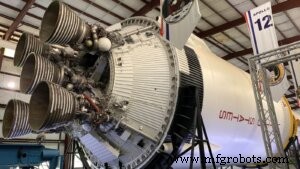
- Aluminum Alloys – lightweight, machinable, high strength‑to‑weight ratio
- Titanium Alloys – high strength, corrosion resistance, high‑temperature tolerance
- High‑Performance Plastics (PEEK, PEI) – thermal stability for interior components
- Composites (carbon or glass fiber) – exceptional strength‑to‑weight, structural core
- Steel Alloys – used where maximum strength is required
- Thermoplastics (ABS, Nylon) – common in 3D printing for early validation
Benefits of Rapid Prototyping in Aerospace
- Accelerated development cycles and faster time‑to‑market
- Potential cost reductions of 10–20% through early flaw detection
- Freedom to explore complex, high‑performance designs
- Low‑risk experimentation with new materials and concepts
- Risk mitigation by identifying issues before full production
- Enhanced collaboration across design, engineering, and manufacturing teams
- Rapid validation of performance and regulatory compliance
- Stimulated innovation, pushing aerospace technology forward
Challenges in Aerospace Prototyping
- Strict regulatory compliance and documentation demands
- High material and process costs for aerospace‑grade components
- Complex geometries requiring advanced manufacturing techniques
- Minimal margin for error in flight‑critical parts
- Time constraints even with rapid methods (often months for complex prototypes)
- Resource allocation for skilled labor and specialized equipment
Applications Across Aerospace Industries
- Airframe Components – wing sections, fuselage reinforcements, aerodynamic surfaces
- Engine & Propulsion – turbine blades, thermal‑behavior validation
- Cabin Interiors – seats, overhead bins, ergonomic controls
- Avionics & Electronics Enclosures – heat dissipation and fitment
- Unmanned Aerial Vehicles (UAVs) – lightweight, mission‑specific parts
- Maintenance & Training – replica fixtures and training aids for ground crews
Regulatory Compliance in Aerospace Prototyping
- Safety and structural integrity certifications per aviation authorities
- ISO and industry‑specific material quality standards
- Traceability and comprehensive documentation for flight‑approved parts
- Adherence to ethical and safety regulations regarding material usage
Best Practices for Successful Aerospace Prototyping
- Set clear prototype goals (visual vs. functional)
- Iterate frequently to reduce downstream redesign costs
- Choose materials aligned with operational requirements
- Maintain detailed documentation for traceability
- Leverage simulation tools to pre‑screen designs
- Conduct realistic testing protocols that mimic operating conditions
- Foster cross‑functional collaboration from the outset
- Plan post‑processing steps (machining, painting, assembly) early
Selecting an Aerospace Rapid Prototyping Partner
- Proven technical expertise in aerospace materials and advanced manufacturing
- Adherence to industry certifications and stringent quality assurance
- Adequate production capacity and reliable lead times
- Track record of successful aerospace projects and case studies
- Engineering support for design improvement and performance optimization
- Capability for post‑processing and finishing to final specifications
- Transparent pricing and clear communication on cost drivers
At 3ERP, we bring a decade of aerospace prototyping experience, delivering lattice structures, end‑use components, and modifications with rigorous quality checks and certifications. Whether you need a single prototype or a series production, our rapid, reliable solutions are tailored to your aerospace challenges. Contact us or request a quote directly through our website.
The Future of Rapid Prototyping in Aerospace

- Accelerated innovation cycles powered by rapid prototyping
- Emergence of advanced composites and high‑temperature alloys
- Hybrid manufacturing that marries additive and subtractive techniques
- Automation and AI for design optimization and production scheduling
- Digital twins and advanced simulations reducing the need for physical trials
- Lower costs and greater accessibility enabling wider adoption across the industry
Conclusion
Rapid prototyping is reshaping aerospace development. Through 3D printing, CNC machining, composite layup, and beyond, we build, test, and refine designs faster and more reliably than ever before. By fixing issues early, we reduce costly rework and accelerate the journey from concept to flight. As materials and technologies evolve, the potential for even faster, cheaper, and safer prototypes expands—paving the way for the next generation of aircraft and spacecraft.
CNC Machine
- CNC Lathe Programming: Using Radius Dimensioning for X‑Axis Cuts
- Fanuc 21i Model A Alarm Codes – Comprehensive Reference for CNC Operators
- Aluminum Alloys Explained: A Guide to Grades, Properties, and Applications
- 50 Lucrative Non-Metal Laser Cutting Designs for Business Success
- Choosing the Right Materials for CNC Machining: A Practical Guide
- High‑Tensile Steel Component Manufacturing – Extending Heavy Equipment Longevity
- Master CNC Programming: Fanuc G71 Rough Turning & G70 Finish Cycle Example
- Large CNC Machining: Precision & Process Insights for Heavy‑Duty Production
- Design Custom Homes with CNC Woodworking Machines: A Complete Guide
- Top 8 Affordable CNC Machines You Should Consider