



Rapid Prototyping for Medical Devices: Techniques, Stages, and Industry Impact
Rapid prototyping is reshaping medical device development by slashing design risk, cutting costs, and accelerating time‑to‑market. Early detection of flaws means fewer costly redesigns and faster regulatory approvals.
Why Rapid Prototyping Matters for Medical Devices
Key benefits include:
- Accelerated development and faster iterations
- Early identification of design and usability issues
- Enhanced ergonomics through user feedback
- Significant cost savings by preventing late‑stage changes
- Streamlined regulatory documentation and testing
- Investor confidence via tangible prototypes
Implementing Rapid Prototyping
The journey starts with sketches, quickly moving to CAD models and then to physical or digital mock‑ups. Each iteration refines form, fit, function, and user interaction before full production.
Tools such as 3D printers, CNC machines, and simulation software enable teams to validate aesthetics and performance early, reducing redesign cycles and ensuring regulatory compliance.
Prototyping Process Overview
The typical cycle begins with a concept, proceeds to CAD, and culminates in a prototype within 1–2 weeks. Multiple iterations refine shape, ergonomics, functionality, and safety, guided by cross‑functional teams.
Key Stages of Medical Device Prototyping
- Conceptualization & Planning
- Define purpose, requirements, feasibility, budget, and timeline.
- Design & CAD Modeling
- Create digital blueprints and iterate geometry to meet specifications.
- Material Selection
- Choose biocompatible, durable, and sterilizable materials.
- Preliminary (Alpha) Prototyping
- Validate form, fit, and ergonomics without full functionality.
- Functional (Beta) Prototyping
- Test device performance and collect user feedback.
- Design Refinement
- Incorporate feedback to enhance performance and usability.
- Compliance & Validation
- Document changes, prepare for formal testing, and meet regulatory standards.
- Production Readiness
- Finalize design for mass production, establish supply chain, and enforce quality control.
Prototyping Techniques in Medical Devices
Each technique offers distinct advantages based on geometry, volume, and material needs.
- 3D Printing – Additive, fast, ideal for complex shapes and custom solutions.
- CNC Machining – Subtractive, high precision for functional parts.
- Injection Molding – Rapid for medium volumes, enabling realistic testing.
- Laser Cutting – 2D precision for enclosures and flat components.
- Vacuum Casting – Cost‑effective for small to medium batches with excellent surface finish.
3D Printing
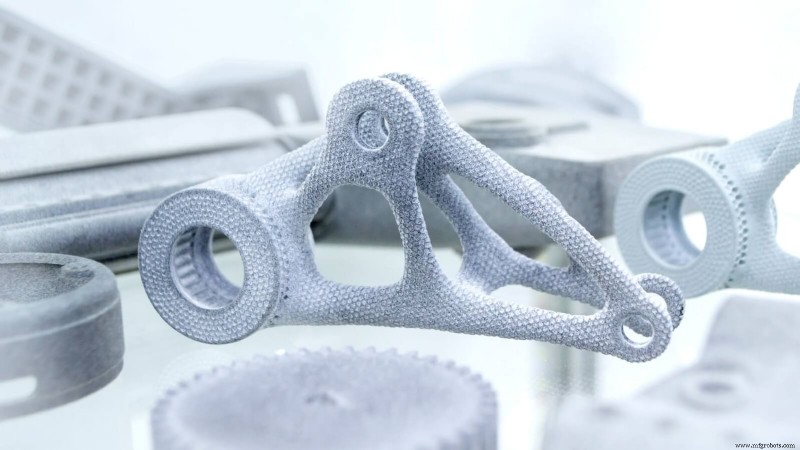
Builds parts layer‑by‑layer from CAD data, supporting methods like FDM, SLS, MJF, and SLA.
- Benefits: Fast turnaround, low waste, easy design changes.
- Limitations: Material certification for final use, post‑processing needs, scale constraints.
CNC Machining
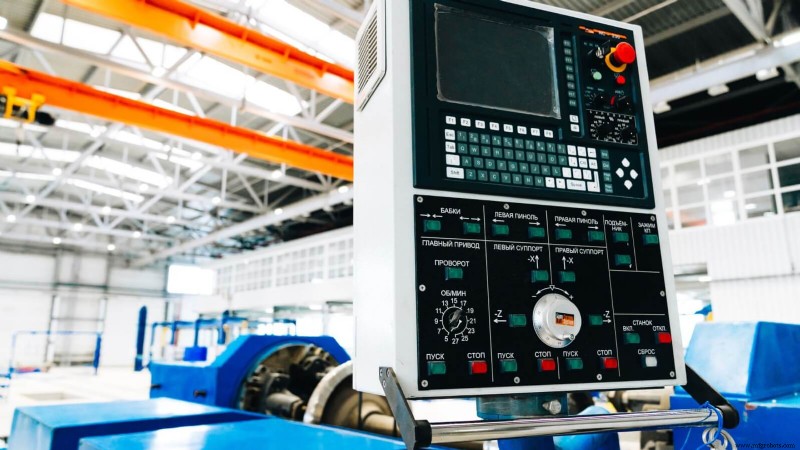
Offers dimensional accuracy for metals and engineering plastics, suitable for functional testing.
- Pros: Tight tolerances, consistent quality.
- Cons: Higher cost for complex parts, longer setup times.
Injection Molding
Ideal for verifying geometry, strength, and assembly with real production materials.
- Pros: Repeatable parts, realistic material testing.
- Cons: High initial tooling cost, less flexibility for changes.
Laser Cutting
High‑precision 2D cutting for enclosures and flat components.
- Pros: Rapid setup, minimal tooling.
- Cons: Limited to 2D shapes, edge finish may need extra processing.
Vacuum Casting
Creates high‑detail parts from silicone molds, ideal for small batches.
- Pros: Low tooling cost, excellent surface finish.
- Cons: Limited mold life (~20‑25 parts), variable repeatability.
Choosing the Right Technique
Consider:
- Material biocompatibility and sterilization requirements.
- Part complexity – 3D printing for intricate geometries; CNC or casting for simpler shapes.
- Volume – single prototypes vs. pilot production.
- Cost and lead time – initial investment vs. total lifecycle.
- Surface finish and tolerance needs.
Materials for Prototyping
- ABS Plastic – strong, machine‑friendly, suitable for housings.
- Silicone – flexible, biocompatible, ideal for seals and patient‑specific parts.
- Medical‑Grade Metals (Titanium, Stainless Steel) – durable, corrosion‑resistant, used in implants.
- Bio‑Resins – tailored for SLA/DLP, provide high detail and mechanical integrity.
Prototype Types
- Proof of Concept – validate feasibility and mitigate early risks.
- Visual Presentation – refine aesthetics and ergonomics.
- Functional (Beta) – test mechanics, electronics, and usability.
- Pre‑Production – final test using intended materials and processes.
- Alpha – basic dimensional checks without full functionality.
- Pilot – near‑final product for clinical trials or soft launches.
Regulatory Compliance
Key frameworks:
- FDA Guidelines – design controls, human factors, pre‑market approval.
- ISO 13485 – quality management for medical devices.
- CE Marking – EU safety, health, and environmental compliance.
- Biocompatibility Testing – essential for materials in contact with tissue.
Ensure compliance through:
- Comprehensive design documentation.
- Risk assessment and human‑factor integration.
- Detailed record‑keeping of all iterations.
- Early material and process validation.
- Expert regulatory guidance.
Cost Considerations
While prototyping incurs upfront expenses, it saves money by catching issues early. 3D printing and CNC have lowered costs and turnaround, making functional prototypes a worthwhile investment.
Timeline for a Prototype
Early alpha prototypes can be ready in 1–2 weeks. Subsequent iterations may take days to weeks, influenced by design complexity, material, and regulatory demands.
Selecting a Prototyping Partner
- Track record with medical device regulations.
- Broad range of techniques and materials.
- ISO‑compliant quality assurance.
- Fast iteration cycles and scalability.
- Regulatory expertise (FDA, CE, ISO).
- Transparent communication and project management.
3ERP’s medical device prototyping services combine technical expertise, cost‑effective methods, and regulatory insight to meet aggressive design‑to‑market timelines.
Conclusion
Rapid prototyping is no longer optional—it’s a strategic enabler of safer, faster, and more compliant medical devices. By embracing iterative design, rigorous testing, and regulatory foresight, we move closer to a future where healthcare innovation reaches patients more quickly and reliably.
CNC Machine
- Streamlined CNC Workflow for the DATRON neo High‑Speed Mill
- Smart Glasses Revolutionize Factory Floors: Are They Ready for Your Shop?
- 15 Cutting-Edge Acrylic Laser Projects of 2024
- Top 6 CNC Machine Types Every Manufacturer Should Know
- Haas M35: Move Coolant Spigot Up One Position – Mill Manual
- 2130 CNC Woodworking Cutting Machine for Sale – Reliable Shipping to Vilnius, Lithuania
- Creating Threaded Holes: Essential Tapping Guidelines
- Rapid Tooling: Fast, Cost‑Effective Solutions for Industrial Manufacturing
- Essential Guide to Selecting Your First CNC Wood Engraving Machine
- Galvanization Explained: Process, Types, Benefits, and Applications