



Fibre Laser vs CO₂ Laser: Choosing the Right Cutting Technology for Your Business
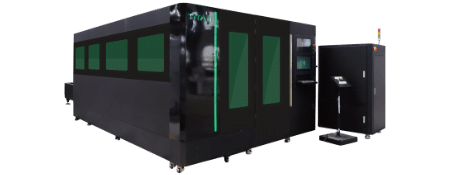
What are the main differences between a fibre laser and a CO₂ laser, and which is best for your manufacturing needs? Read on to find out. Both fibre and CO₂ lasers are widely used across industries, yet they operate on distinct wavelengths and power levels. Both deliver precise, repeatable cuts, but each has unique strengths. Fibre lasers have long been a staple for metal fabrication. Recent advances have brought prices down, making them one of the most cost‑effective options for high‑speed metal cutting. Typical power ranges are 500 W, 1 kW, 2 kW, 3 kW, and 4 kW, with larger units reaching 12 kW for thick material. They excel at cutting mild steel, stainless steel, aluminium, brass, copper, and titanium with unmatched accuracy and speed. Unlike CO₂ systems that rely on a laser tube and mirrors, fibre lasers channel power through an optical fibre. The beam is focused by a lens system before striking the material, allowing for higher power densities and faster cuts. These machines can handle a wide range of sheet and tube metals, making them ideal for continuous production lines. Disadvantage: Initial cost is higher than older CO₂ models, though the ROI improves quickly due to lower operating expenses. CO₂ lasers are renowned for their versatility, capable of cutting and engraving a broad spectrum of non‑metallic materials—wood, acrylic, leather, paper, and more. Some models include a rotary attachment for cylindrical surfaces. Standard CO₂ units cannot cut metal, but “Multi‑Cut” CO₂ machines use an oxygen assist and a 150 W tube to pierce thin metal sheets. Below is a quick reference for materials that can be engraved or cut with a CO₂ laser. Always verify with your supplier—PVC, for instance, releases toxic fumes and should be avoided. If your focus is high‑volume, high‑speed metal plate or pipe cutting, a fibre laser is the superior choice. For predominantly non‑metallic applications—wood, acrylic, leather, or card—a CO₂ laser will serve you better. Mantech offers impartial guidance to help you select the best system for your application. Contact us at 0121 541 1444 or sales@mantechmachinery.com to speak with an industry specialist or request a quote online.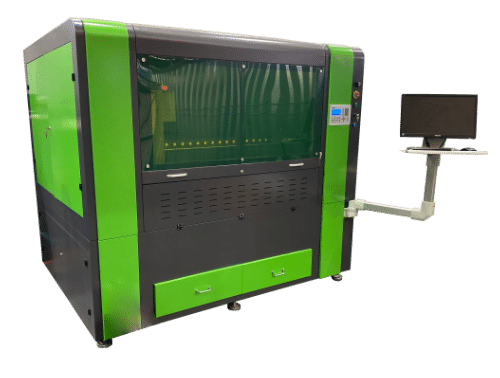
Fibre & CO₂ Laser Technology
Fibre Laser Cutters
How Fibre Lasers Work
Typical Applications
Advantages
CO₂ Laser Cutters

Material Suitability Guide
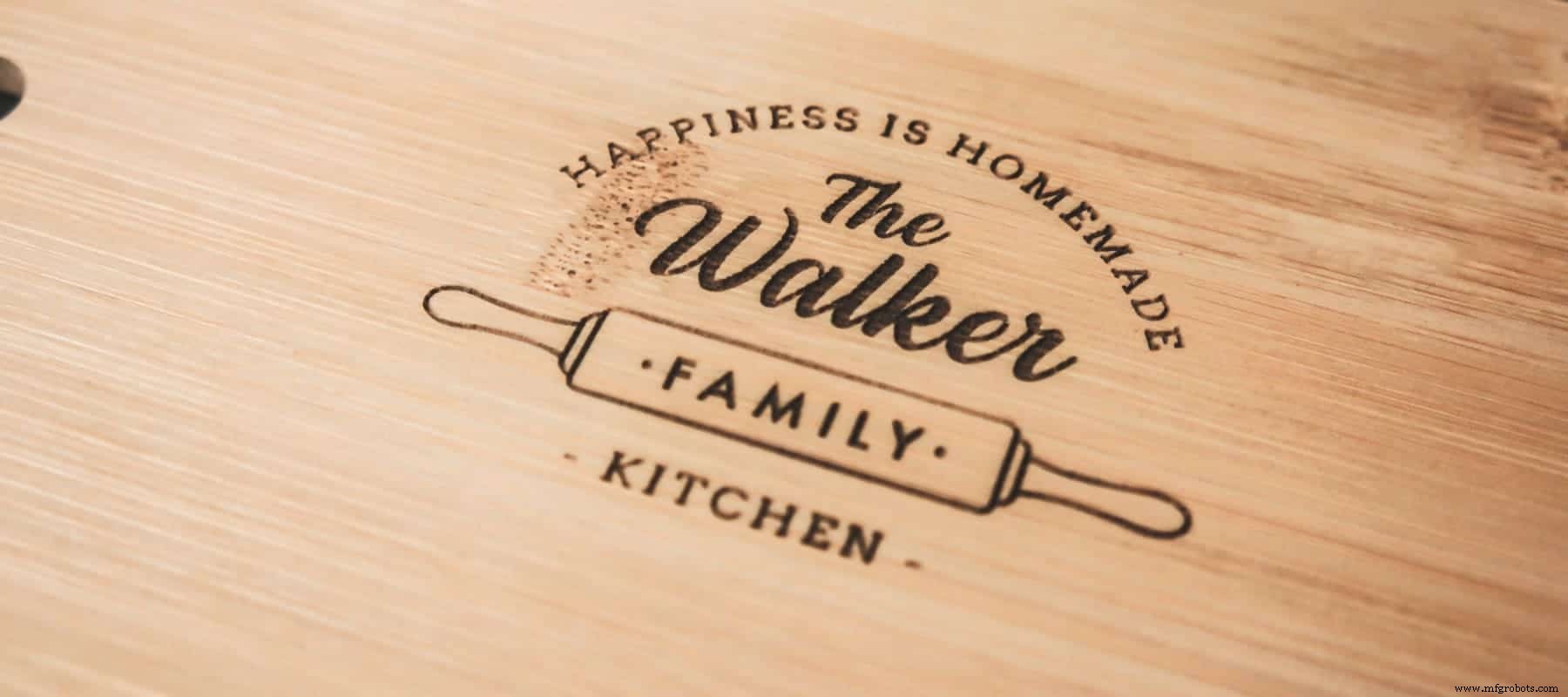
MATERIAL LASER ENGRAVE LASER CUT Natural Wood ✔ ✔ Acrylic ✔ ✔ Glass ✔ ✗ Engraving Laminate ✔ ✔ Bamboo ✔ ✔ MDF ✔ ✔ Leather ✔ ✔ Cloth ✔ ✔ Marble ✔ ✗ Matte Boards ✔ ✔ Stone ✔ ✗ Paper ✔ ✔ Mylar ✔ ✔ Press Board ✔ ✔ Rubber ✔ ✔ Laser Plywood ✔ ✔ Anodised/painted metal ✔ ✗ Other plastics* ✔ ✔ Ceramics ✔ ✗ CO₂ Laser Advantages
CO₂ Laser Disadvantages
Choosing the Right Machine
Need Expert Advice?
CNC Machine
- CO₂ vs Nd Laser Cutting: Key Differences Explained
- CO2 vs Fiber Laser: Which Cutting Technology Suits Your Business?
- CO2 Laser Cutters: 10 Inspiring Projects for Craft and Business
- What Materials Can Be Cut with a Fibre Laser?
- Titan Fibre Laser Cutting Solutions – Precision, Speed, and Cost‑Effective Sheet Metal Cutting
- CNC Routers vs CO2 Laser Machines: Choosing the Right Tool for Your Production
- Step-by-Step Guide to Installing and Setting Up Your CO2 Laser Engraving & Cutting Machine
- Why CO2 Laser Engraving Machines Are So Popular
- CO2 Laser vs. Fiber Laser: Which Technology Delivers the Best Performance?
- Precision Laser Cutting: Advanced Material Cutting for Industry, Small Businesses, and Hobbyists