



Understanding Ferrous vs. Non‑Ferrous Metals: Key Differences & Uses
You may have the opportunity to manufacture parts that require ferrous or non-ferrous metals. So, what is the difference? Basically, ferrous metals contain iron while non-ferrous metals do not. Let’s get into it a little more.
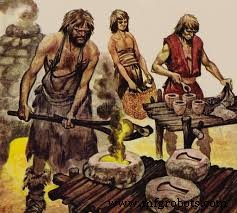 Ferrous metals go way back in time. Archaeologist have excavated items made from
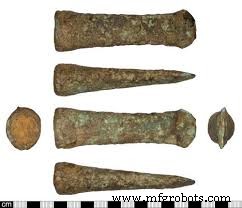 ferrous metals dating back to 1200BC. This was about the time iron became more common in producing tools and weapons and is known as the iron age.
Today, common ferrous metals include:
- Alloy Steels
- Carbon Steel
- Wrought Iron
These metals offer two important factors, tensile strength or the resistance of a material to breaking under tension and durability the ability to withstand wear, pressure or damage. The big disadvantage of ferrous metals is corrosion or commonly known as rust. If these metals are exposed to the environment, they will need to be coated with a protectant like plating, grease or oils. The only exceptions are stainless steels and wrought iron. Most ferrous metals are also magnetic, making them practical in motor and electrical applications.
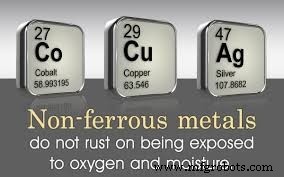 Non-Ferrous Metals
Although still classified as a metal, non-ferrous metals do not contain iron. Non-ferrous metals were the first metals used by humans. Gold, silver and copper go back in time before even before the iron age which is known as the Bronze and Copper Age.
Today, common non-ferrous metals include: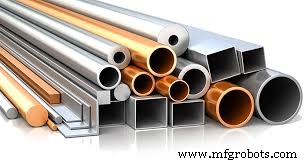
- Aluminum
- Copper
- Lead
- Zinc
- Tin
The main advantage of non-ferrous metals over ferrous metals is malleability or the ability to be shaped into something else without breaking. Without an iron content, non-ferrous metals have a higher resistance to corrosion or rust. Non-ferrous metals are also non-magnetic due to the lack of iron content. Common applications are in electronics and wiring.
I hope this blog offers a basic understanding of the difference between ferrous and non-ferrous metals. At Southern Fabricating Machinery Sales we offer both new and used machinery for all types of ferrous and non-ferrous metals processing applications. Call us at 813-444-4555 to discuss the best solution for your machining needs and stay tuned for more blogs on best machining practices and tooling for your ferrous and non-ferrous production requirements.
Click HERE to read more great articles about materials and manufacturing.
Click HERE to shop our available machinery.
Industrial equipment
- Ferrous vs. Non-Ferrous Metals: Key Differences Explained
- Ferrous vs Non‑Ferrous Metals: Key Differences & Practical Uses
- Understanding DC vs AC Motors: Key Differences and Buying Guide
- Steel vs. Aluminum: Key Differences in Strength, Weight, and Cost
- Shuttering vs. Formwork: Key Differences Explained
- Concrete vs. Cement: Understanding Their Distinct Roles in Construction
- Asphalt vs. Concrete: Key Differences and Choosing the Right Material
- Ferrous vs. Nonferrous Metals: Key Differences, Uses, and Properties
- Metals vs. Non-Metals: What Sets Them Apart
- Understanding Pressure vs. Flow in Compressed Air Systems