



Understanding Corrugated Pipes: Types, Uses, and Benefits
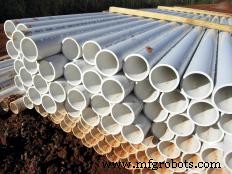
A corrugated pipe is a tube with a series of parallel ridges and grooves on its surface. This pipe can be manufactured of steel or plastic such as high-density polyethylene (HDPE) or PVC. It can be coated or lined. Corrugated pipe is used in applications such as drains where flexibility, durability, and strength are important attributes.
Small size corrugated pipe can be seen in familiar uses such as the drain pipe used to carry runoff from gutters on the eaves of a home. Larger size pipes are used as storm drains and culverts under bridges and alongside roadways. The flexibility of corrugated pipe makes it more suitable for a variety of uses than rigid smooth pipe. The degree of corrugation is measured by the height of the ridges; the higher the number, the more flexibility the pipe.
The structure of buried corrugated pipe is partially supported by the soil that surrounds it. The soil pressure produces compression around the circumference of the pipe and actually reduces stress on it. Greater flexibility is linked to better performance over the life of the installation. In-ground applications are costly and time consuming, so piping that extends the useful service life of the installation is crucial. Corrugated pipes of steel or HDPE are routinely rated for a service life of 50, 75, or even 100 years or more.
For applications that require the pipe to be buried and withstand environmental conditions, additional considerations must be taken into account. The pH of the soil and the electrical resistance are relevant for corrugated steel pipe. Either the pH and resistance must fall within the appropriate ranges, or the pipe must be coated to withstand the levels. Typical coatings for steel pipe include zinc-galvanizing, aluminizing, polymer, and asphalt. Plastic corrugated pipe can tolerate a much wider pH range and has no conductivity; electrical resistance is not a factor.
Corrugation can produce friction on the inside of the pipe or trap debris in the ridges. In some applications, coating or lining can improve the flow of material through the pipe. Plastic pipe can be manufactured as corrugated on the exterior and smooth on the interior.
Pieces of corrugated pipe are joined by a variety of methods. Some pipes are constructed with fittings called a ball and spigot at either end of a section. The sections fit together with a gasket to seal the pipe. Pipe sections can also be joined using coupling bands with or without a gasket. Corrugated pipes can be manufactured in long lengths and delivered in rolls to the installation site; sections are only cut if necessary to minimize the number of joints.
Use of this pipe for subsurface drainage is accomplished by using perforated pipe. The holes allow runoff to percolate into surrounding soils. To prevent intrusion of soil, it may be covered with a mesh fabric that allows liquid to leave the pipe but keeps soil and debris from entering.
Industrial equipment
- PVC Pipe: Composition, Durability, and Common Uses
- Pipe Laying: The Essential Process for Installing and Connecting Pipelines
- Understanding Pipe Sleeves: Types, Uses, and Benefits
- Pipe Tee Fittings: Definition, Applications, and Installation Tips
- Cleanout Plugs: Essential for Safe, Leak‑Free Plumbing Systems
- Understanding Pipe Unions: Definition, Use, and Benefits
- Street Elbow Fittings: Definition, Uses, and Key Features
- Understanding Flue Pipes: Function, Installation, and Maintenance
- Pipe Wrenches Explained: Design, Function, and How to Use Them
- Understanding Overflow Pipes: Function, Importance, and Safety Applications