



Understanding Pipe Sleeves: Types, Uses, and Benefits
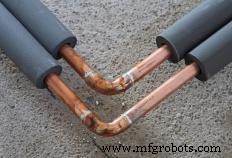
A pipe sleeve is generally one of three things: a protective ring used to keep a pipe hole open, a ring used to fill the gap between a pipe and another surface, or a covering to create a barrier between a pipe and its surroundings. These sleeves are used during the construction of a building or pipe system. Nearly every non-household pipe system has some sort of sleeve, and many household ones do as well.
This first type is commonly used during the construction or remodeling of a building. These sleeves are rings that are placed into the forms for a concrete wall. When the wall is poured, the form creates a hole that is large enough to put a pipe through. It is generally much larger than the pipe that will go through it and creates a gap.
The second type of pipe sleeve is used during the construction of a building or after the building is finished. These types fill in the gaps where pipes penetrate walls and create a barrier between the two sides through which air cannot pass. They may be made of many different materials, including polyvinyl chloride (PVC), sheet metal, or a firestop material.
The two main reasons to use this sort of sleeve are for protection from odor or fire. When the sleeve is around a water pipe, that pipe will eventually go into the sewer. By placing an airtight seal around the opening in the floor around the pipe, sewer odor won’t come back up around it. Firestops work on the same idea, except they stop fire rather than smell. As the hot air from a fire attempts to move up and out, it would naturally pull fire through the gaps around the pipe, spreading the fire faster.
The last kind of pipe sleeve is often put on during construction, but its purpose is for afterward. These sleeves protect the pipe from the environment or vice versa. The most common varieties are protective and insulating. A protective sleeve prevents damage from accidental impacts in high-traffic areas.
Some pipes carry very hot or cold materials. In some cases, it is vital that these materials stay at the current temperature, so an insulating sleeve keeps the temperature inside the pipe. On the other hand, those same materials could affect the temperature of their surroundings or cause burns if touched. Pipe sleeves protect from this as well.
Plumbing Pipe Sleeves
Pipe sleeves are larger than the pipes they are designed to fit around, and types and purposes vary depending upon whether the sleeves are being used in commercial or residential facilities. With plumbing systems, the setting matters. Different types of structures provide varying levels of complexity for plumbers.
Residential Plumbing
Professionals who specialize in residential plumbing understand how each dwelling's pipes work to deliver water to kitchens and bathrooms. Residential plumbing specialists generally see the same types of pipe problems each day.
Commercial Plumbing
Plumbers who work at commercial or industrial facilities face different types of problems from day to day. The variety of commercial and industrial firms is large, and often plumbing is based on each company's individual situation. Furthermore, pipes in commercial facilities have much more pressure put on them from frequent use or heavy demand, such as carrying caustic materials, than do residential pipes.
Essential Purpose
Ultimately, pipe sleeves for plumbing are designed to insulate and protect pipes from their external surroundings. This basic foundational purpose applies no matter the type of structure in which plumbing is installed. The multiple types of pipe sleeves have evolved from this essential function to meet a variety of needs and purposes.
Copper Pipe Sleeve
Copper is a popular material for pipes because it is versatile, easy to work with, and durable. Copper pipes are found often in both residential and commercial structures. However, for all of its positive attributes, copper pipes sometimes need repairing. Copper pipe sleeves are a commonly used solution to stop leaks in pipes. Savvy homeowners experienced in do-it-yourself projects are often able to handle some copper pipe leaks themselves by using copper sleeves to make repairs.
Pipe Inspections
Proactive inspections can help find leaky copper pipes before much structural damage occurs, whether in residential or commercial structures. Before calling in a plumber, home owners or building managers can inspect plumbing themselves. There are multiple ways to determine a copper pipe is leaking, including:
- Green or blue discoloration on copper pipes - While durable, copper pipes will eventually corrode and their integrity will break down over time. This gradual corrosion results in the pipes turning a bluish-green color. Sudden discoloration, however, could indicate a leak and at the very least, indicates that copper pipes are probably weak.
- Condensation on pipe exteriors that resembles dew - Condensation often occurs on pipes, especially during summer months. However, if you notice unusual condensation on the outside of pipes or condensation you have never seen before, it may indicate a leak. This is often the case if you see condensation in only one area. Sometimes, though, larger areas of condensation may indicate several leaks. A closer inspection is needed to determine if the pipe integrity is compromised.
- Unusually large water bills - A sudden large increase in water bills often indicates leaks in copper pipes.
- Water with an unpleasant taste and odor - If your water suddenly develops a metallic or unpleasant odor or taste, this could indicate a leak. This is often the case if the water throughout your house is affected and running the tap for a few minutes does not dissipate the foul scent and taste.
If you determine you have leaky pipes, a copper sleeve could be an effective and relatively easy solution to repairs.
Repairs Using a Copper Sleeve
For smaller leaks, copper sleeves can be a helpful solution. First, turn off the water supply. Next, to repair with a copper sleeve, follow these steps:
- Cut out the damaged section of copper pipe, cutting past the leaky section a short distance.
- Clean the ends of the copper repair sleeve as well as the two ends of the pipe to be repaired. Apply flux to all four ends to "sweat" the pipes together.
- Slide the copper sleeve over one end, and then gently fit it over the other end of the pipe section being repaired. You may need to loosen pipe hangers in order to gently make this fit.
- Carefully solder the joints together. Use a flame protector to cover nearby wood, such as joists. Hold the flame to one side of the joint and hold the solder wire to the other.
Those who do not feel comfortable making such repairs, however, should consult a plumber.
Plumbing Sleeves Through Concrete
Sometimes plastic or metal pipe sleeves are used for installing pipes through concrete. This is common in structural foundations. The sleeves are a type of form and guide that make openings through which piping can be installed in concrete. Sometimes plumbing sleeves in concrete project a short distance through the surface. These are called raised sleeves.
Industrial equipment
- PVC Pipe: Composition, Durability, and Common Uses
- Pipe Laying: The Essential Process for Installing and Connecting Pipelines
- Pipe Tee Fittings: Definition, Applications, and Installation Tips
- Cleanout Plugs: Essential for Safe, Leak‑Free Plumbing Systems
- Understanding Pipe Unions: Definition, Use, and Benefits
- Understanding Flue Pipes: Function, Installation, and Maintenance
- Understanding Corrugated Pipes: Types, Uses, and Benefits
- Pipe Wrenches Explained: Design, Function, and How to Use Them
- Bolt Sleeves Explained: Protecting Bolts in Hard Surfaces
- Understanding Overflow Pipes: Function, Importance, and Safety Applications