



Effective, Safe Ways to Remove Rust from Metal Surfaces
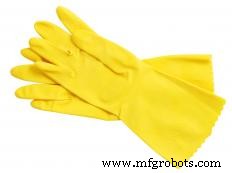
If you need to remove rust from metal, there are many commercial products available. Most of them are highly toxic and rely on some form of acid — either phosphoric or oxalic — to do the job. If you use them, make sure to wear rubber gloves and carefully follow all of the instructions and precautions that are provided by the manufacturer. This will remove the rust and protect you from the toxic chemicals. If you would rather avoid toxic chemicals, there are several common household items that can safely remove rust from metal, including white vinegar, baking soda, sandpaper and steel wool.
Vinegar
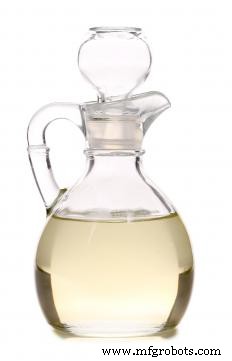
White vinegar can often work well for small items, such as earrings. Just pour a little vinegar into a glass, and let the items have a good soak. After you see that the rust has dissolved, just rinse off the jewelry, and dry it with a cloth.
Vinegar can also be used on bigger items. Either pour it directly onto the item, or spread it with a cloth. When the rust is dissolved, just wipe it off, rinse the item, then dry it if necessary.
Baking Soda
Using baking soda is another way to remove rust from metal. You can make a paste by mixing baking soda and water. Make sure that the solution is pasty enough to adhere to the surface, then spread it onto the metal and let it sit. After the rust is loose, you can scrub it off. If the rust stains are very deep, removing them might require additional applications of the paste. Baking soda paste also can be used in a variety of other ways around the house, and it is a good substitute for many toxic household cleaners.
Coarse Materials
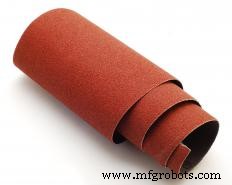
If you want to remove rust from metal and don't mind a little bit of hard work, you can try to remove it manually with sandpaper or another coarse item, such as steel wool. This might take a while, though. If the rust is widespread, it might take several attempts to get down to the clean metal.
Preventing Rust
Of course, it is best to not let your metals get rusty at all. Keeping your metals as dry as possible helps prevent rust because water is what sets the stage for rust to appear. Prevention isn't always possible, however, especially if you where there is a lot of humidity, so it’s a good idea to attack rust right away, before it starts eating away at the metal. Remember, the longer that rust is left untreated, the harder it is to remove and the more severe the damage.
Industrial equipment
- Metal vs. Nonmetal Elements: Key Differences Explained
- How to Safely Remove a Rusted Screw or Bolt – Expert Tips & Proven Methods
- Safe and Effective Fiberglass Splinter Removal Using Tape
- Create a Weathered Look: A Safe Guide to Rusting Metal
- Defeating Rust: 5 Proven Strategies to Preserve Your Metal Assets
- The Impact of Corrosion on Industrial Equipment Integrity
- Unlocking Manufacturing Efficiency: How 5G Transforms Production
- Deburring Explained: Techniques to Remove Burrs from Metal Parts
- Safely Strip Chrome Plating from Metal: Expert Techniques & Tips
- How to Eliminate Moisture in Compressed Air Systems