



Understanding Air Conditioning Diffusers: Function, Placement, and Selection
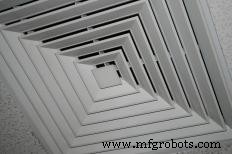
An air conditioning diffuser distributes air from a home cooling system into each room of the home. The diffuser fits into the walls or ceiling at the end of the air conditioning duct, and serves as a vent for cooled air to enter the room. Each occupied room requires its own air conditioning diffuser, though some smaller areas may share a single diffuser. While these devices appear relatively simple, they must be carefully selected to suit the size and design of the home's cooling system.
Installers can choose from a variety of air conditioning diffuser types to meet the needs of different applications. Square or rectangular diffusers are among the most common, and are well-suited to both large and small rooms. Round or spiral models generate a very large circular air distribution, making them best suited to very large spaces. In smaller rooms, round diffusers will likely create uncomfortable drafts, resulting in ineffective cooling.

A linear or slot air conditioning diffuser also represents a popular and effective option for most applications. These units feature a long, narrow design with fins that direct air where it's most needed. Linear diffusers are often installed around the perimeter of a room to resolve potential issues with condensation as they distribute cooled air. Other forms of diffusers may be installed in walls, ceilings, or even the floor, depending on building design.
The size and design of each air conditioning diffuser should match the fan speed of the cooling unit, as well as the desired temperature range in each room. Some units come with adjustable fins so users can adjust airflow throughout the day. Others can be completely shut to prevent any air from entering the room.
Properly-sized air conditioning diffusers maximize the effectiveness of a building's cooling system. This not only improves occupant comfort, but eliminates issues with drafts or humidity in many cases. By making the cooling system as effective as possible, diffusers also help to keep cooling bills low and improve overall energy efficiency. A well-chosen diffuser also reduces noise created by the air conditioning system operation.
Diffusers come in a variety of finishes to match the surrounding décor. Some are made from steel or aluminum, while others are made of brass or other metals. Many of these metal units are sold primed for painting so they can be matched to any type of finish. Plastic units offer an affordable alternative to metal diffusers, but are often more difficult to paint.
Industrial equipment
- Key Components of a Reliable Compressed Air System
- Industrial Air Conditioning: Protecting Equipment and Boosting Productivity
- Understanding Ventilation Systems: Keeping Your Indoor Air Fresh and Healthy
- Ceiling Air Diffusers Explained: Function, Benefits, and Selection Guide
- Understanding Rotary Compressors: How They Work and Their Benefits
- Understanding Air Vent Covers: Types, Functions, and Benefits
- Understanding HVAC Diffusers: Function, Design, and Benefits
- Understanding Compressor Motors: The Power Heart of Air Compressors
- Understanding Air Inlets: Their Role in Engine Efficiency and Home Comfort
- How Automobile Air Conditioning Systems Keep Your Car Cool and Comfortable