



Common Car Cooling System Problems & How to Diagnose Them
When you’re on the road, your vehicle’s engine generates a significant amount of heat. That heat, combined with friction, can cause the engine to overheat if the cooling system isn’t performing at peak efficiency.
The cooling system is a complex network of parts—including the radiator, radiator fan, hoses, thermostat, water pump, and pressure cap—all working together to keep engine temperatures within safe limits. Over time, these components can wear out, making it essential to spot problems early.
Familiarizing yourself with how the cooling system operates and recognizing the early warning signs can help you avoid costly repairs and keep your vehicle running smoothly.
How the Cooling System Works
Most modern vehicles use a liquid coolant that absorbs heat from the engine and then releases that heat in the radiator. Air flows through the radiator’s fins, cooling the hot coolant before it returns to the engine.
A thermostat sits between the engine and the radiator. It opens or closes based on coolant temperature, ensuring the engine stays within its optimal operating range.
Key Cooling System Components
The major parts include:
- Radiator – A heat exchanger that removes heat from the coolant.
- Radiator fan – Draws air through the radiator to enhance cooling.
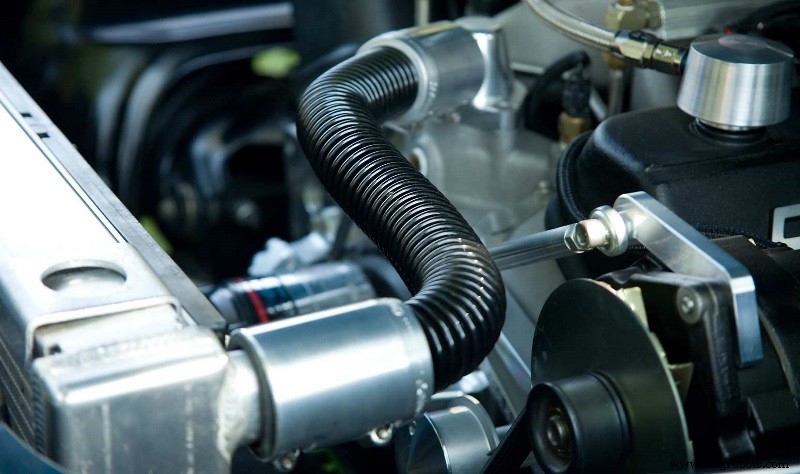
- Radiator hoses – Transport coolant between the engine and radiator.
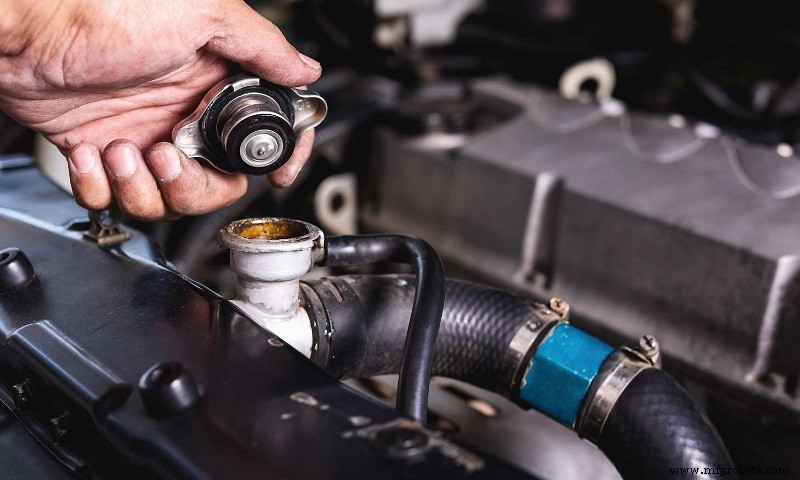
- Pressure cap (radiator cap) – Maintains system pressure and prevents overheating.
- Water pump – Circulates coolant throughout the system.
- Thermostat – Regulates engine temperature by controlling coolant flow.
Routine maintenance—such as checking coolant levels and inspecting components—can extend engine life and prevent breakdowns.
Common Cooling System Troubleshooting Tips
Even with diligent care, components can fail. Look for these red flags that may indicate a radiator or cooling system issue:
- Engine runs hot or overheats
- Temperature gauge fluctuates or rises rapidly
- Steam or smoke from under the hood
- White exhaust fumes
- Low coolant levels
- Coolant leaks under the vehicle
- Reduced fuel economy
When you notice any of these symptoms, have a qualified technician diagnose the problem. Common issues include:
Radiator Leaks
Leaks often originate from radiator joints or hoses, manifesting as puddles beneath the car, low coolant, or white exhaust smoke from burning coolant.
Air in the Cooling System
Air pockets reduce cooling efficiency, causing temperature spikes or erratic gauge readings. Air ingress is a common cause of engine overheating.
Thermostat Problems
Symptoms include a high or fluctuating temperature gauge and coolant leaks around the thermostat housing.
Water Pump Failure
Rust or corrosion can create holes in the pump, while a loose pulley may emit a high‑pitched whine. Leaks from the pump are also a warning sign.
Low Coolant Levels
Insufficient coolant can trigger warning lights, a rising temperature gauge, or a malfunctioning heater core.
Diagnose and Fix Cooling Issues with UTI Training
While professional help is advisable for serious problems, learning to diagnose and repair cooling systems can save you money and open career opportunities. Universal Technical Institute (UTI) offers a hands‑on Automotive Technology program that covers cooling system maintenance and repair. With over 61,000 job openings nationwide, 41 you can become a certified technician in less than a year—7 and start contributing to the skilled trades.
Industrial equipment
- Top 22 CNC Router Issues & Expert Fixes
- Common Gerber File Issues & Expert Solutions
- Top Causes of Hydraulic System Failure and How to Detect and Resolve Them
- Top PCB Design Pitfalls Explained: A Comprehensive Analysis
- Top Farm Machinery: The Most Common Tools for Modern Agriculture
- Industrial Generator Problems: Identify & Resolve the Most Common Issues
- Master CNC Machining: 30 Essential Solutions to Common Problems
- Debunking the 5 Most Common Misconceptions About Oil-Free Air Compressors
- Top 7 Causes of Hydraulic System Failures – What to Watch For
- Top Causes of Hydraulic System Failures and How to Prevent Them