



Key Car Components & How They Keep Your Vehicle Running Smoothly
Every vehicle is a complex machine built from dozens of parts that work together to keep you moving safely and efficiently. Understanding these components gives you the confidence to talk with technicians and make informed maintenance decisions.
Fundamentals of Vehicle Architecture
While there are many specialized parts, a solid grasp of the major systems provides the best foundation for troubleshooting and routine care.
Engine – The Heart of the Vehicle
Modern cars rely on either an internal‑combustion engine or an electric motor. The former ignites an air‑fuel mixture to drive pistons that turn the crankshaft, while the latter converts stored battery energy into motion. Both types deliver power to the wheels, but electric motors typically offer quicker acceleration and instant torque.
Battery – Powering the Start-Up
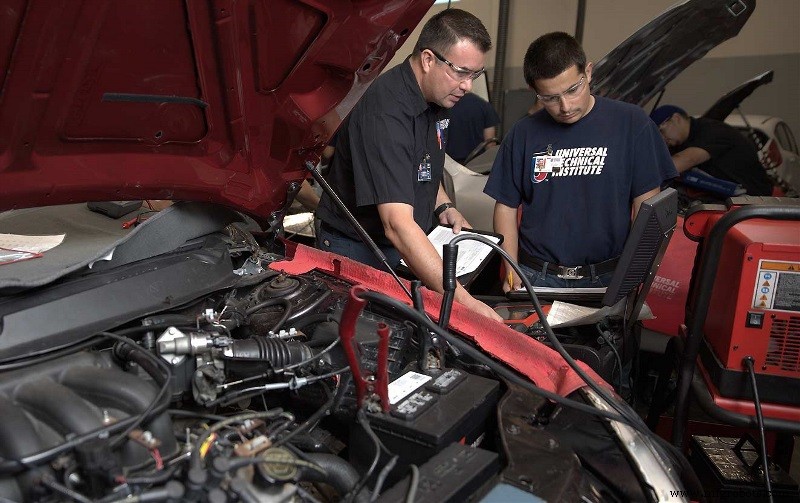
The battery supplies the 12‑volt electrical system that starts the engine and runs accessories. A weak or dead battery manifests as a slow cranking sound, dimming headlights, or a sudden loss of power. Regular checks and timely replacement can prevent roadside surprises.
Alternator – Recharging on the Move
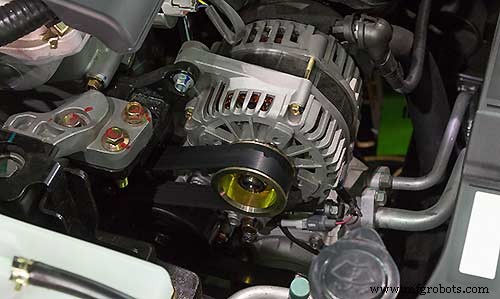
While the engine runs, the alternator converts mechanical energy into electrical energy, continuously charging the battery and powering the vehicle’s electronics. Symptoms of a failing alternator include dimming lights and a weak engine start, which can quickly lead to a dead battery if ignored.
Brakes – Safety and Control
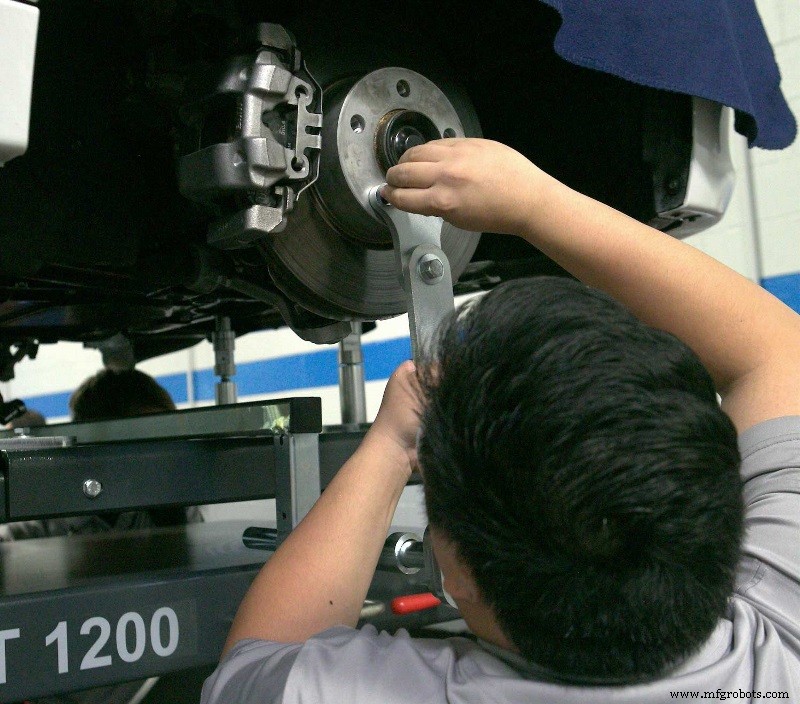
Disc and drum systems are the two most common brake types. Disc brakes feature calipers, rotors, and pads, while drum brakes use drums and shoes. Wear in any of these components alters braking feel or produces unusual noises, warranting prompt inspection.
Radiator – Keeping Heat in Check
The radiator, part of the cooling system, dissipates heat from the engine using coolant. Regularly checking coolant levels—ideally twice a year—prevents overheating, which can damage the engine and reduce performance.
Transmission – Shifting Power to the Wheels
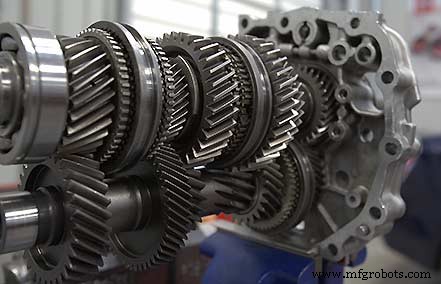
Transmissions transfer engine torque to the drive wheels. Manual transmissions require driver input via a gear lever, whereas automatics shift gears automatically. Routine fluid changes at manufacturer‑recommended intervals keep gears shifting smoothly.
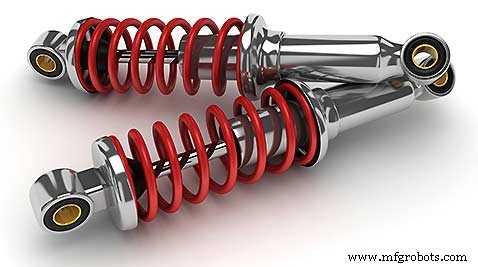
Shock Absorbers – Smoothing the Ride
These components dampen road irregularities, ensuring tires remain in constant contact with the pavement. Worn shocks cause vibrations, uneven tire wear, and compromised braking effectiveness.
Catalytic Converter – Cleaning Exhaust Emissions
The catalytic converter transforms harmful exhaust gases into less toxic substances before they exit the tailpipe. Malfunctioning converters reduce engine performance and can trigger warning lights.
Explore Further with Universal Technical Institute
Curious about delving deeper into automotive mechanics? UTI’s Automotive Technology program offers hands‑on training that covers everything from engine diagnostics to emissions control. Complete the curriculum in under a year and step directly into a rewarding career—or simply become the expert you need for personal vehicle maintenance.
Want to learn more? Email us or call 1-800-834-7308 for an admissions representative to guide you.
Industrial equipment
- Autonomous Face‑Tracking Robot Car with Arduino Nano & OpenCV
- Master Lego Power Functions with Arduino & Bluetooth Control
- Bolt IoT Smart Robot Car – Arduino UNO & L298 Motor Drivers
- Build a Voice‑Controlled Arduino Car with BLE – DIY Guide
- Understanding the Three Core Types of Switchgear and Their Roles
- Essential PCB Components & Their Applications: How They Drive Modern Electronics
- Essential Parts of Dual-Column Band Saw Machines
- Key Components of a Slotter Machine and Their Functions
- Differential Types Explained: Functions & Benefits for Vehicles
- Revolutionizing Vehicle Assembly: The Rise of Automated Production