



Linde BPV Hydraulic Pumps: 5 Key Insights for Vehicle Brake Systems
The BPV hydraulic pump is a crucial component of the braking system in your vehicle. It’s responsible for pumping the brake-fluid back into the reservoir after you release the brake pedal.
The BPV pump is sometimes referred to as a vacuum pump or booster, and it can be found on most vehicles with power brakes. The bpv has a small piston that moves back and forth inside its chamber to create pressure. It uses this pressure to push fluid back into its reservoir when you let off of the brake pedal.
When this mechanism works properly, it helps ensure that your brakes are always operating at their best performance level—even when you’re driving in hilly terrain or during heavy rainstorms.
Here are five things you should know about the Linde BPV hydraulic pumps:
Linde BPV pumps are used in a wide range of applications throughout the world.
The Linde Group is a world leader in the development, manufacturing and sales of gases, chemicals and services for industrial use. Founded in 1879, it has been building on its global reputation for high quality products and services for more than 125 years. With over 100,000 employees working in more than 100 countries around the world, The Linde Group offers innovative solutions for sustainable economic growth that meet the needs of its customers.
Linde’s business portfolio is organized into four divisions: Gases, Chemicals, Specialty Gases and Performance Materials.
Linde America Corporation is one of the leading suppliers of industrial gases in North America and is part of The Linde Group’s Specialty Gases Division. It has five manufacturing facilities located throughout North America: Shelby Township (Detroit), MI; Houston, TX; Medicine Hat (Alberta), Canada; Calgary (Alberta), Canada; and Stow (Ohio). In addition to its large network of distributors across North America, Linde operates two distribution centers in New Jersey and Ontario to serve the eastern United States and Canada with fast delivery times
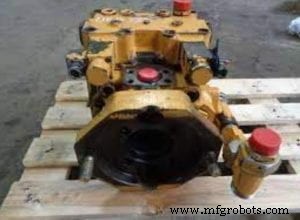
5 Things To Know About the Linde BPV Hydraulic Pumps
Linde BPV pumps are high-performance, variable displacement, axial piston pumps.
Linde BPV pumps are high-performance, variable displacement, axial piston pumps. They are designed for medium- to heavy-duty applications in the oil & gas industry, as well as in industrial sectors such as power generation and chemical processing.
Linde BPV hydraulic pumps feature an axial piston design with a wide range of displacements and flow. They are available in single or dual piston configurations and can be single- or double-acting. The pumps are available in both open or closed loop operation and can also be supplied with an optional electric motor starter.
The Linde BPV pump is available with a variety of seals including non-contact seals, mechanical seals and labyrinth seals. In addition to standard seal designs, special seals can be developed upon request by our engineers based on customer specifications.
The Linde BPV series is available in four sizes, with a choice of three controls and five pressure ranges (13 to 23).
The Linde BPV series is available in four sizes, with a choice of three controls and five pressure ranges (13 to 23). The pumps are all single acting, but can be used for both positive and negative displacement. The controlled unit comes with a built-in pressure relief valve, while the diaphragm control has an integral check valve that prevents backflow of hydraulic fluid into the pump during operation.
One of the big advantages of these pumps is that the output flow remains constant even when there is a significant change in oil density and viscosity.
The range of hydraulic systems available from Linde can be used to supply fluid power for all kinds of applications. Our high-pressure products are designed to deliver fluids at pressures up to 1500 bar (21,000 psi) with excellent reliability and durability.
Our low-pressure products provide continuous circulation of fluids at pressures between 1 bar (14 psi) and 150 bar (2200 psi).
Linde BPV Hydraulic Pumps are built to meet the requirements of demanding applications where performance, reliability and cost-effectiveness are essential.
Combined with a high degree of noise isolation, this results in ruggedness, ease of operation, low noise levels and high efficiency over a wide performance range.
Linde BPV pumps are designed for use in the most demanding conditions, such as highly abrasive fluids like drilling muds or cutting oils. They are also suitable for a wide variety of other applications where a high degree of reliability is required (such as power tools).
Linde BPV pumps are rugged, compact and easy to install. The vibration-free design makes them ideal for mobile applications where location flexibility is important.
Linde BPV pump series are designed for use in high pressure and temperature applications including heavy duty truck and trailer axles, industrial machinery, agricultural equipment and more. These pumps have been proven to have superior durability in applications where they run continuously at maximum pressure or speed.
Linde’s BPV Series is available in a wide range of sizes and output power ratings from 1.5 to 30 kW – with flow rates up to 1000 l/min. The pumps are designed for high efficiency and quiet operation, with maximum noise levels kept below 70 dB(A) – even at full load. The compact design allows installation in confined spaces such as machine frames or engine compartments.
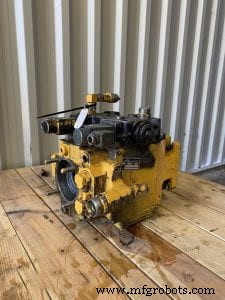
5 Things To Know About the Linde BPV Hydraulic Pumps
The Linde BPV Hydraulic Pumps offer users many great features and benefits.
The Linde BPV pumps are a product that comes from a long line of great products. The Linde company has been around for over 100 years, and they have been making hydraulic pumps for over 80 years. They have a reputation for making high quality products that last a long time and are easy to use.
One of the things that sets these pumps apart from other brands is their ability to be used in many different industries. These pumps can be used in construction, mining, oil drilling, and even in the military. They can also be used on farm equipment and industrial machines like forklifts.
Another great feature of these pumps is their versatility. You can use them with air or liquid based systems as well as with diesel or gasoline based engines. You can even use them on solar powered systems if you want to save money on your energy bill!
As we have seen, BPV pumps are extremely flexible and customizable, allowing companies to tailor them to their specific needs. Ultimately, they are a great way to enhance worker safety while producing greater efficiency and allowing workers to complete their jobs quickly. There are many different applications for these pumps, and companies need to choose the right one for what they’re dealing with. In any case, there is no question that BPV hydraulic pumps will be integral in the future for companies involved with so many different types of industries.
Industrial equipment
- 6 Essential Insights About 3D Printing You Probably Haven’t Heard
- Hydraulic Vane Pumps: Essential Insights for Industry Professionals
- Submersible Pumps: Superior Efficiency, Power Savings, and Versatile Applications
- A Comprehensive Guide to Pumps: How They Work, Types, and Key Benefits
- 8 Essential Insights About ISO 9000 for Quality Management Success
- Hydraulic Pump Classifications: Positive vs Negative Displacement Explained
- Linde BPV Hydraulic Pump: Design, Performance, and Industrial Applications
- Rexroth A4VTG Hydraulic Pump – 100+ Years of Trusted Performance
- Discover the Linde MPR Hydraulic Pump: High-Pressure, Low-Flow Performance for Food & Beverage Applications
- Choosing the Right Hydraulic Pump: A Comprehensive Guide to Types and Performance