



Debunking Myths About Industrial Robotics: What You Really Need to Know
In today’s fast‑moving technology arena, industrial robotics is reshaping manufacturing, logistics, and many other sectors. While the benefits of automation are clear, persistent myths continue to deter businesses from fully embracing robotic solutions. This guide systematically addresses those misconceptions, backed by real‑world examples and data, to provide a transparent view of robotics’ role in modern industry.
Myth #1: Robots Are Designed to Eliminate Jobs
Reality: The core purpose of industrial robots is to augment human capabilities, not replace them. Companies across the globe deploy robots for repetitive, physically demanding tasks—such as part handling or surface inspection—while human workers oversee quality, troubleshoot, and engage in higher‑value activities. By freeing employees from routine work, robots actually enhance job satisfaction and open opportunities for skill development. Industry analysts report that firms with integrated robotics see a 12–18% increase in workforce productivity.
Myth #2: Survival Depends on Adopting Robots
Reality: In a competitive marketplace, automation is a strategic advantage rather than a mandatory survival tool. The cost of ownership is often offset by a short payback period—pick‑and‑place operations can recoup investment in as little as one year. In regions with lower labor costs, such as parts of Asia, manufacturers are turning to robotics to boost output and meet surging demand. Logistics providers similarly invest in autonomous systems to diversify services and maintain market relevance. Studies indicate that automated warehouses achieve up to a 30% reduction in labor expenses.
Myth #3: Autonomous Robots Are Still Too Slow
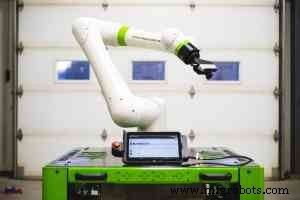
Reality: Advances in machine vision, cloud computing, and pattern‑recognition algorithms have dramatically improved autonomous navigation speed and precision. Real‑time data processing now allows robots to execute complex tasks in milliseconds, matching or surpassing human performance in many scenarios. Ongoing research into lightweight algorithms and edge computing promises even faster, more reliable operation.
Myth #4: Robots Are Too Expensive
Reality: While specialized components like high‑precision actuators can drive up upfront costs, the overall price trajectory mirrors that of consumer electronics—consistently falling over time. Innovations in actuation technology, coupled with standardized robotic cell designs pioneered by companies such as DIY Robotics, have lowered barriers to entry. Today, even small‑to‑mid‑size enterprises can acquire turnkey automation solutions that deliver measurable ROI.
Myth #5: Robots Are Hard to Use
Reality: User‑friendly robotics platforms have matured dramatically. Examples include Rethink Robotics’ Baxter, which offers intuitive touch‑screen programming and a gentle learning curve, and FANUC’s integrated PLC‑free system that embeds programming directly into the robot controller. Open‑source ecosystems like ROS and OpenCV further democratize robot development, enabling businesses to tailor solutions without extensive in‑house expertise. These advances reduce implementation time and lower the skill threshold required for successful deployment.
Conclusion
Industrial robotics is not a job‑threatening technology; it is a catalyst for workforce empowerment, cost efficiency, and competitive advantage. By dispelling myths and embracing the evolving capabilities of robots—fast, affordable, and user‑friendly—companies can unlock significant operational gains and drive innovation across their value chain.
Ready to see how automation can transform your business? Contact our team today for a personalized assessment.
Industrial equipment
- Atlas Copco Showcases GHS VSD+ Series at 2017 PACK EXPO in Las Vegas
- ActiveCare Direct vs. CareTrack: Choosing the Ideal Fleet Telematics Solution
- How to Choose the Ideal Compressed Air Dryer for Your System
- High‑Performance CNC Lathes & VMCs for Precision Machining
- Critical Safety Guidelines for Grain Bin Operations
- Comprehensive Guide to Garment Quality Control Techniques
- Agricultural Technology: Tools, Machinery, and Innovations Shaping Modern Farming
- Ensuring Reliability: The Critical Role of Alignment in Turbine Maintenance
- Maximize Efficiency: Unlock Cost Savings with 5‑Axis Machining
- From Puppet to Partner: The Evolution of Autonomous Machines