



AI‑Powered Robot Vision: Transforming Robotics and Manufacturing
Robotics has progressed rapidly, and one of its most transformative leaps is the fusion of artificial intelligence (AI) with robot vision systems.
Robot vision enables machines to perceive and interpret surroundings using cameras and sensors. By leveraging AI, robots can not only capture images but also analyze them in real time, making context‑aware decisions.
This article examines why robot vision is pivotal, traces its evolution, and shows how machine‑learning‑driven cameras are redefining capabilities.
Importance of Robot Vision Systems in Robotics
Robot vision systems grant robots the ability to interact with their environment much like humans do. Rather than following rigid, pre‑programmed instructions, these systems allow robots to identify objects, recognize patterns, and understand complex visual information, opening up new possibilities for tasks once reserved for human operators.
Evolution of Robot Vision Technology
The journey of robot vision has been a gradual one, driven by advances in both hardware and software. Early robotics relied on bulky, expensive cameras that were difficult to integrate. Today, the miniaturization of sensor technology and the availability of affordable high‑resolution modules have made vision systems ubiquitous.
On the software side, machine‑learning algorithms have become the cornerstone of modern vision. By learning from vast datasets, these models can predict and classify visual scenes with high accuracy, enabling robots to adapt to new situations in real time.
How Machine Learning Cameras Enhance Robot Vision
Machine‑learning cameras sit at the forefront of this revolution. Equipped with powerful processors and deep‑learning algorithms, they perform real‑time image processing, extracting features such as object recognition, pose estimation, and semantic segmentation.
These cameras continuously refine their models as they encounter new visual data, improving accuracy over time. This adaptability is critical in dynamic settings where the environment can change rapidly.
By offloading intensive computations from the robot’s main controller, machine‑learning cameras reduce latency and enable faster, more reliable decision making.
Applications of Robot Vision in the Manufacturing Industry
Manufacturing has been a primary beneficiary of robot vision. From quality control and assembly line automation to object recognition and localization, vision systems enhance precision and throughput.
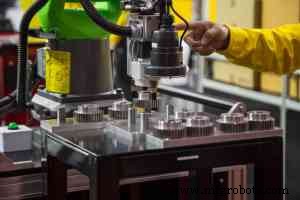
For example, defect detection is a common use case. Cameras trained to spot scratches, dents, or misalignments can flag issues early, reducing waste and improving product quality.
Robot vision also streamlines component handling. By accurately identifying and locating parts on a conveyor, robots can pick, place, and assemble with minimal errors, boosting productivity.
One notable illustration is Omnirobotic’s Panel Sanding Assistant, built with our DIY robotic cells. This vision‑guided solution revolutionizes panel sanding—learn more at Omnirobotic Panel Sanding Assistant.
Advantages of Using Artificial Intelligence in Robot Vision Systems
AI integration offers several key benefits:
- Adaptability to complex environments: Unlike rule‑based systems, AI models learn from data, enabling operation across varied settings.
- High‑volume data processing: Machine‑learning algorithms can sift through large image datasets swiftly, supporting real‑time applications such as autonomous vehicles or industrial automation.
- Enhanced safety and reliability: Continuous monitoring allows robots to detect hazards and take preventive actions, crucial in collaborative human‑robot workspaces.
Challenges in Implementing Robot Vision Technology
Despite its promise, robot vision faces several hurdles:
- Algorithm robustness: Models require diverse, high‑quality training data; bias or gaps can lead to inaccurate predictions.
- System integration: Retrofitting existing robots with vision capabilities demands careful alignment of cameras, processors, and control software.
- Ethical and regulatory considerations: As robots gain autonomy, accountability and transparency become essential for public trust.
Future Prospects of Robot Vision and Artificial Intelligence in the Manufacturing Industry
The outlook for robot vision in manufacturing is highly optimistic. Continued improvements in machine‑learning efficiency will let robots learn faster and adapt more readily. Integration with emerging technologies—augmented reality, the Internet of Things, and edge computing—will further extend robot capabilities, offering operators real‑time guidance and predictive maintenance insights.

Conclusion: The Transformative Potential of Robot Vision and AI in Robotics
In summary, AI‑powered robot vision is redefining how machines perceive and interact with the world. By turning visual data into actionable intelligence, these systems boost efficiency, enhance quality control, and improve safety across industries. While challenges remain—particularly around data integrity, integration, and ethics—the trajectory of robot vision promises even greater innovation and widespread adoption.
Contact us to learn more about our products and solutions!
Industrial equipment
- Grinding Wheel Safety: Never Exceed the Rated Speed
- Reviving a Century-Old Machine Shop: Thermo IEC’s Path to Profitability
- Mastering Warehouse Organization for Heavy Machinery: Boost Efficiency & Safety
- Understanding Wave Soldering: A Comprehensive Guide
- Preparing Your Facility for a New Waterjet Cutting Machine
- Master CNC MQL Control: Optimize Minimum Quantity Lubrication with Precision Programming
- Understanding Hydraulic Control Systems: Principles, Functions, and Applications
- 7 Essential Safety Tips for Using Compressed Air
- IKEA's Global Reach: How the Brand Captivates Audiences Worldwide
- Top 5 Essential Crane Repair Services for Safety & Efficiency