



Industrial Robots Explained: Separating Fact from Fiction
Industrial robots have been a cornerstone of manufacturing for decades, yet their role has expanded dramatically in recent years. Designed to automate repetitive or hazardous tasks, these machines come in a variety of shapes and sizes, each tailored to specific applications.
They have transformed production lines, offering measurable gains in speed, quality, and safety. However, myths and misconceptions still circulate, obscuring the true benefits and realities of robot integration.
The Benefits of Using Industrial Robots in Manufacturing
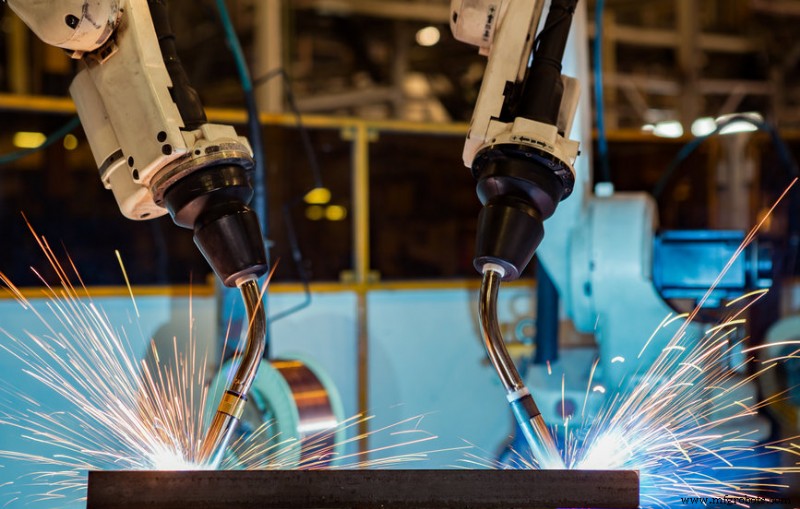
Robots deliver unmatched efficiency. They complete tasks faster than humans, operating around the clock without breaks, which translates to higher output and potentially increased profits.
They also enhance product quality. Precision programming reduces errors and defects, leading to higher customer satisfaction and lower rework costs.
Safety is another critical advantage. Robots can handle hazardous materials or extreme environments, mitigating the risk of workplace injuries and accidents.
Common Misconceptions About Industrial Robots
One persistent myth is that robots will eliminate human jobs. While certain roles may shift, manufacturing will continue to rely on skilled workers for programming, maintenance, and oversight. In many cases, automation creates new career paths in robotics engineering and systems integration.
Another misconception concerns cost. Industrial robots are a significant investment, but their operating efficiencies and quality improvements often result in rapid pay‑back. Over time, the total cost of ownership can be lower than manual labor.
Programming and maintenance can seem daunting, but extensive resources exist. We offer comprehensive training programs and support from seasoned integrators, ensuring businesses can deploy and sustain robotic solutions with confidence.
Types of Industrial Robots
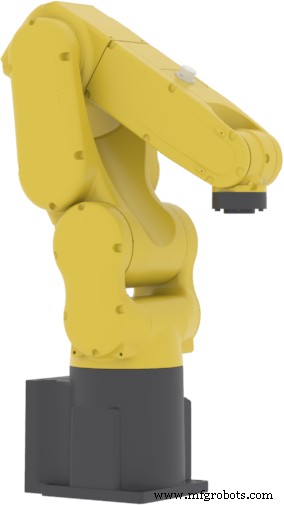
Manufacturing demands a range of robotic capabilities. Common categories include:
- Articulated Robots—Robots with rotary joints that provide versatile motion for complex assembly tasks.
- Cartesian Robots—Linear movement robots ideal for high‑precision pick‑and‑place operations.
- SCARA Robots—Horizontal arm robots that excel in speed and precision for small parts handling.
- Delta Robots—Three‑arm configurations that combine speed and accuracy, often used in high‑volume packaging.
Industrial Robots and Automation – The Impact on the Workforce
Automation does not eliminate the human workforce; rather, it reshapes it. Skilled professionals are needed to program, maintain, and innovate with robotic systems, leading to new job opportunities and higher productivity.
The Future of Industrial Robots
Emerging trends include collaborative robots, or cobots, which work safely alongside humans to enhance efficiency and safety. Additionally, artificial intelligence and machine learning are increasingly integrated, allowing robots to adapt to dynamic environments and execute complex tasks with greater autonomy.
Conclusion
Industrial robots continue to evolve, delivering tangible benefits while reshaping the manufacturing landscape. Understanding their capabilities and dispelling myths empowers businesses to harness this technology responsibly and profitably.
Industrial equipment
- Cavitation: The Leading Pump Vibration Issue and How to Prevent It
- Boost Efficiency of Your Air Compressor Systems: Proven Tips & Strategies
- Understanding Sheaves: Types, Functions, and Applications in Lifting Systems
- Saskarc & Axiom Lift Equipment Merge to Form Axiom Equipment Group
- Miyano BX‑26S Dual‑Spindle Lathe – Precision & Speed for Complex Bar Components
- Why a Gantry Crane Is a Smart Choice for Construction Projects
- Key Insights: Choosing the Right Batch Coding Machine for Your Business
- Choosing the Right Milling Machine: Vertical vs. Horizontal Options
- How to Determine the Horsepower Needed for Your Hydraulic Pump
- Understanding the Positive Terminal: Definition and Importance in DC Equipment