



Boosting Efficiency and Productivity with Robotic Automation: Proven Benefits & Best Practices
In today’s hyper‑competitive business environment, companies are constantly seeking ways to streamline operations and boost productivity. Robotic automation—deploying machines that perform tasks once reserved for human workers—offers a powerful solution.
What is Robotic Automation and Why It Matters
Robotic automation involves the use of programmable robots to execute repetitive or precise operations across sectors such as manufacturing, healthcare, and transportation.

Key advantages include:
- Higher throughput: robots work 24/7 without fatigue.
- Greater precision: consistent performance reduces defects.
- Cost savings: lower labor and material waste.
- Enhanced safety: dangerous tasks are handled by machines.
- Improved quality control: real‑time monitoring and adjustments.
For example, in automotive manufacturing, robots now handle welding, painting, and assembly—tasks that once required extensive human effort.
Case Studies of Successful Automation Roll‑Outs
Amazon’s fulfillment centers illustrate how robotics can transform logistics: mobile units pick, transport, and sort thousands of items each day, cutting order‑processing time by up to 30%.
In healthcare, surgical robots provide surgeons with unparalleled precision, while automated pharmacy robots streamline medication dispensing, reducing human error.
Best Practices for Deploying Robotic Automation
- Identify suitable tasks: Target repetitive, hazardous, or accuracy‑critical operations.
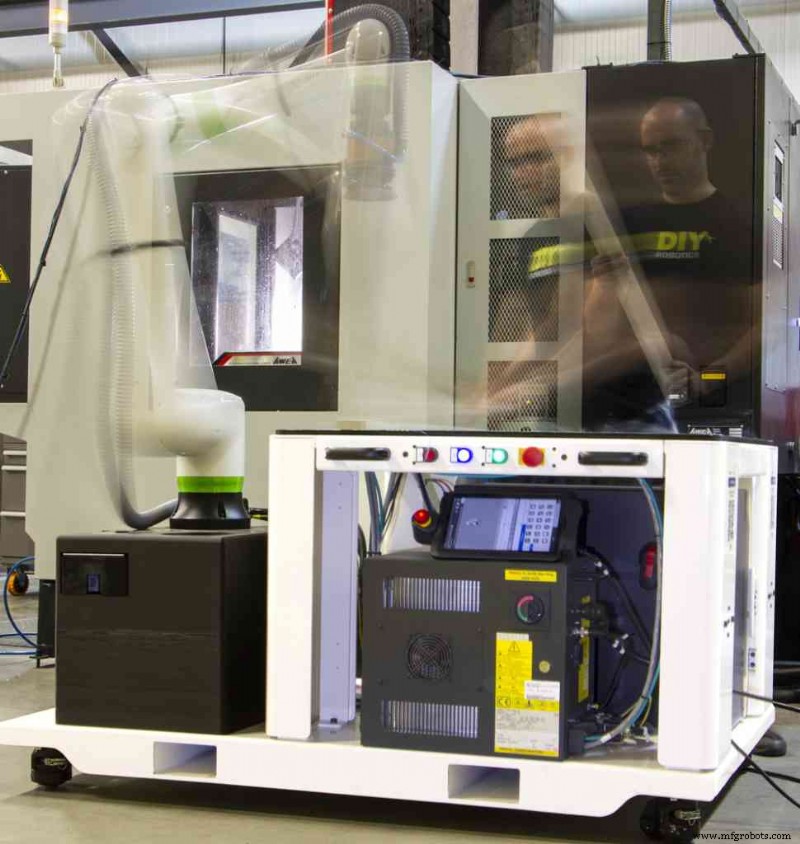
- Select the right robot: Cobots (collaborative robots) are ideal for shared workspaces, whereas industrial robots excel in high‑volume settings.
- Invest in training: Equip staff to operate, maintain, and, where relevant, program robots.
How Automation Enhances the Workforce
Rather than displacing jobs, robotic automation often elevates them:
- Safety: routine or dangerous work is transferred to machines.
- Skill development: employees gain exposure to advanced technology.
- Job stability: increased efficiency supports long‑term company growth.
Challenges and Practical Limits
Adopting robotics is not without hurdles. Initial capital outlay can be substantial, so a clear ROI analysis is essential. To address cost concerns, some vendors offer modular, subscription‑style solutions that lower upfront expenses.
Ongoing maintenance and support are critical; dedicated communities such as the Robot‑Forum and DIY Robotic Forum provide valuable resources and troubleshooting tips.
While robots excel at precision, they still lack the creative judgment and nuanced human interaction required for certain tasks.
Current Trends and the Road Ahead
Today, the rise of cobots—robots designed to work safely alongside humans—drives adoption in sectors that once relied on manual labor. AI and machine learning are further expanding robot capabilities, allowing them to adapt and improve over time.
Future developments promise even greater versatility, potentially opening new markets for automation. Businesses that embrace these innovations stand to gain a competitive edge and sustained profitability.
Ready to explore how robotic automation can transform your operations? Contact us today for a personalized assessment.
Industrial equipment
- Essential Guide to Building the Ideal Truck Service Body
- Top Benefits of Owning a Darla Crane for Effortless Heavy Lifting
- Essential Safety Checklist: Key Items to Verify Before an OSHA Inspection
- Shipping Heavy Machinery Internationally: Tips for a Smooth Process
- GS-6000 CNC Turning Center: Unmatched Cutting Flexibility & Precision
- Exploring Industrial Engraving Techniques: Types & Applications
- When to Replace Your Forklift Forks: A Practical Guide
- Optimizing Nitrogen Use in Coffee Production: Sustainable Practices & Benefits
- Brake Fluid Explained: How It Keeps Your Car Safe
- Why Your Business Depends on Quality Clutch Friction Material